Accommodation and Local Experiences in Plettenberg Bay, Western Cape
Plettenberg Bay, often simply called Plett, combines a laid‑back coastal vibe with access to striking scenery, outdoor activities and a relaxed dining scene. When planning a stay, consider the different neighbourhoods and what each offers: the town centre for convenient amenities, the skulle of forests around Robberg Nature Reserve for walkers and wildlife lovers, and the pristine beaches that line the coastline. A well‑rounded visit can mix restful days with adventures in the surrounding area.
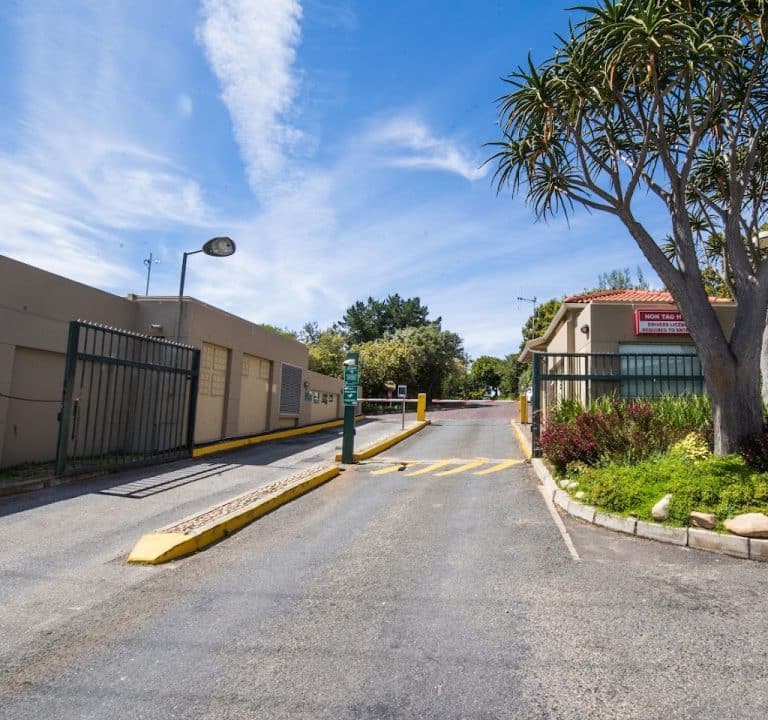
Accommodation in Plettenberg Bay ranges from characterful guesthouses and boutique hotels to self‑catering holiday homes and lodges with sea views. For families or groups, a self‑catering option can be ideal, giving you flexibility to suit early starts for early‑morning surf or a lazy brunch on sunny terraces. A noted example of a holiday home that captures the relaxed, home‑away‑from‑home feel is Strandveld Beach House – Plett Self Catering, available through the local hosting platform. It offers space and privacy in a location convenient for exploring the bay’s beaches and forest trails. For specific booking details, visit the listing page on the platform’s site: Strandveld Beach House – Plett Self Catering.
When selecting where to stay, think about proximity to the beach, access to shops and eateries, and the possibility of outdoor space. Many properties offer private verandas or patios, well‑equipped kitchens, and reliable Wi‑Fi—essential for contemporary travellers who want to balance leisure with occasional remote working or streaming evenings after a day out. Look for guest‑reviews that mention cleanliness, helpful hosts, and punctual communication, as these are strong indicators of a smooth stay. If you are travelling with small children or pets, filter for properties that explicitly note family‑friendly or pet‑friendly policies.
Areas to consider include:
- Town centre and The Heads area: vibrant but walkable, with a selection of cafés, restaurants and shops, and convenient access to the beach via pleasant paths.
- Robberg and surrounding dunes: closer to nature trails, with a feeling of seclusion and immediate access to coastal pathways and wildlife viewing opportunities.
- Beachside and secure residential estates: often quieter, with sea views and fast routes to beach access points, ideal for mornings on the sand and relaxed evenings.
Typical amenities to look for include secure parking, air conditioning or fans for warmer months, reliable heating for cooler periods, and well‑equipped kitchens if you plan to self‑cater. A comfortable living area, adequate storage for gear (such as surfboards or hiking boots), and outdoor spaces for al fresco dining add to the overall comfort. If you travel during peak season (roughly October to April), consider properties with flexible booking windows and clear cancellation policies, as demand can be high and weather can influence plans.
Transport in Plettenberg Bay is most convenient with a car. Public transport options exist but are limited, so a rental car provides the greatest flexibility for exploring beaches, viewpoints and forest trails at your own pace. Booking a vehicle in advance, especially for the peak months, helps ensure you can reach your chosen area without delay. For shorter day trips to nearby towns or nature reserves, a mapped plan of drive times helps you allocate time for activities and meals without rushing.
Best time to visit Plettenberg Bay is guided by weather and the rhythm of the sea. The summer months offer warm days suitable for swimming and water sports, while spring and autumn bring pleasant temperatures for hiking and wildlife watching. Winter can be cooler and wetter, but the region remains lush and dramatic, with fewer crowds and excellent conditions for coastal walks. If you are specifically seeking marine life or birdwatching experiences, check the local seasonality and plan around those opportunities.
Activities and attractions in Plettenberg Bay typically revolve around the coast, nature and wildlife. You can spend time on the main beaches with safe swimming conditions during approved months, take guided forest walks or trail runs in the surrounding nature reserves, and enjoy sunset viewpoints that reveal sweeping bay panoramas. Other popular pursuits include boat trips to nearby islands, whale watching in season, and coastal hikes that combine sea air with rugged scenery. For families, a day at the beach followed by a casual meal at a family‑friendly restaurant offers a balanced itinerary.
Dining in Plettenberg Bay emphasises fresh ingredients and seafood, with many restaurants offering views over the ocean or lush hinterland. Expect menus that mix Cape flavours with contemporary cooking, often highlighting local produce such as fish, shellfish, and seasonal greens. It is common to find places that cater to different dietary preferences and offer relaxed atmospheres suitable for travellers seeking a comfortable meal after a day of exploration. If you are planning a longer stay, you can pace restaurant visits with mornings in the parks and afternoons on the beach, using local recommendations to discover hidden gems along the coast.
Practical tips for a smooth stay: book early in peak periods, confirm driveway or parking arrangements, and check the host’s house rules for check‑in times and self‑check‑in options. Pack a light layer for cooler evenings, sun protection for day trips, and sturdy footwear for beach walks and forest trails. Before you travel, download offline maps of Plettenberg Bay and the surrounding nature reserves, so you can navigate coastal paths and less‑visible routes even when mobile reception is spotty. Finally, keep a flexible plan to adapt to weather changes, which can be a feature of the Western Cape coast.
For more information and to browse current accommodation options, including holiday homes such as Strandveld Beach House – Plett Self Catering, visit the listings on the platform’s site: Strandveld Beach House – Plett Self Catering.