Staying in Somerset West: accommodation, attractions and practical planning for visitors
Somerset West sits on the Cape’s southern shore, just outside Cape Town, and offers a convenient base for travellers who want beach days, wine estates, and easy access to Table Mountain and the Helderberg basin. The town has a varied range of accommodation, from intimate guesthouses and boutique hotels to self‑catering cottages and family-friendly lodges. Wherever you stay, you’ll likely be within a short drive of the bay, mountain scenery and a network of winding roads that lead to nearby vineyards and nature reserves.
When choosing where to stay, consider the areas that best match your plans. The neighbourhoods near the Strand and Gordon’s Bay are ideal if you want beach access and a relaxed holiday atmosphere, with coastal walks and sunset harbour views nearby. If you’re drawn to wine-tasting or golf, look for properties near the Helderberg basin or the surrounding wine routes, where many estates offer on-site tastings, excellent dining and verdant, cultivated estates. For easy access to Cape Town city sights or the airport, a base in central Somerset West can cut travel time while still feeling comfortably local. Families often favour properties with self‑catering facilities, private gardens and safe parking, while couples may prefer boutique hotels with a smaller footprint and intimate service.
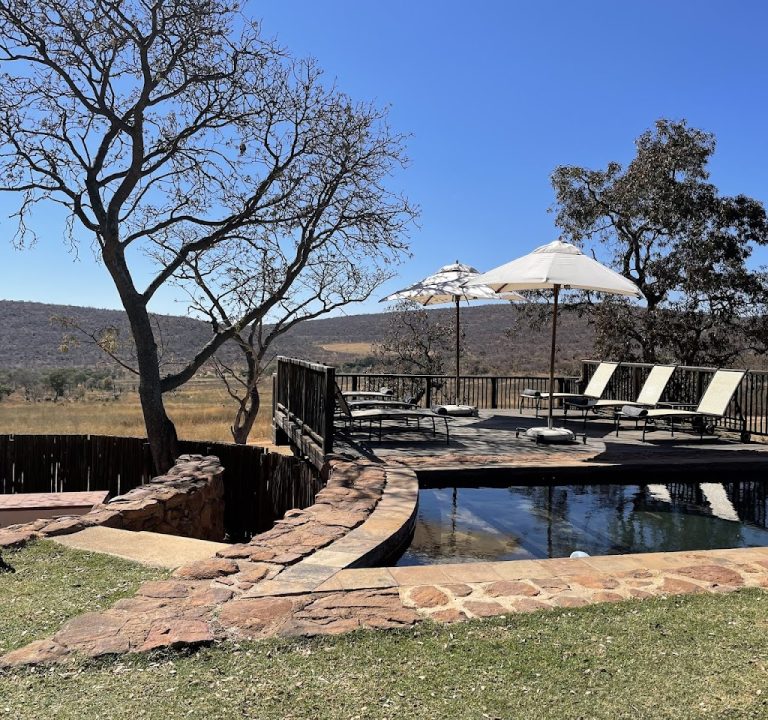
Typical accommodation features in the area include en-suite bedrooms, free Wi‑Fi, tea- and coffee-making facilities, and parking on the premises. A number of guesthouses and lodges offer breakfast included in the rate, and some establishments may provide optional dinner or hosting of wine-tasting evenings. Outdoor spaces are common—think shaded patios, pool areas, garden walks and barbecue facilities—meaning you can enjoy the mild outdoor climate almost year round. If you have mobility considerations, check whether the property has easy access, ground-floor rooms, or ramps, and confirm parking arrangements in advance. For families or larger groups, look for self‑catering cottages or suites with separate living areas and kitchen facilities to make longer stays comfortable and affordable.
Transport and getting around is straightforward, though a car is highly convenient in this part of the Western Cape. The N2 highway provides easy reach to central Cape Town and other coastal towns, while local roads connect you with wine estates, nature reserves and beaches. If you prefer not to drive, investigate properties with shuttle options or proximity to taxi and rideshare services, and check whether there are attractions within easy, safe walking distance. Practical planning can help maximise your time: map out a few must‑do day trips, such as a morning visit to a vineyard for a tasting, a countryside walk in a nature reserve, and an afternoon at the beach or a local market if available.
Best time to visit Somerset West largely mirrors the Western Cape climate. The summer months (roughly December to February) tend to be warm and sunny, ideal for beach days and outdoor dining, but can be busier. Autumn (March to May) brings mild temperatures and pleasant days for touring estates and hiking. Winter (June to August) remains mild compared with Europe, with cooler evenings and sporadic rain; many outdoor activities still operate, and the landscape takes on a lush, emerald hue after rains. Spring (September to November) is a popular time for those seeking budding vines and fresh produce. Always check the local weather forecast before planning outdoor activities, and be prepared for cool evenings even in warmer months.
When planning activities, consider a balanced itinerary that includes a mix of outdoor adventures, culinary experiences and a touch of culture. Wine estates in the region often offer scenic views, gardens and cellar tours alongside tastings. Nature lovers can explore reserves and coastal trails, where vantage points provide sweeping views of the False Bay coastline. For dining, many hotels and guesthouses partner with local restaurants or offer on‑site dining options that highlight regional ingredients. While exact restaurant menus and prices may vary, you can expect menus that favour seasonal produce, seafood and farm-to-table flavours, with options for vegetarian and lighter dishes. If you’re seeking entertainment, look for evening events or markets hosted by the area or nearby towns during peak seasons, and consider a day trip to Cape Town or nearby coastal towns for wider cultural experiences.
Tips for a smooth stay:
- Book early for peak season and long weekends to secure preferred rooms and rates.
- Confirm breakfast arrangements, parking, and any dietary requirements in advance.
- Ask about self-catering options if you prefer flexibility for meals.
- Check accessibility details if you have mobility needs or travel with children.
Useful planning links include regional tourism pages and official Western Cape tourism resources, which provide current information on attractions, events and routes. For general planning, look for accommodation listings that clearly describe rooms, amenities and distance to beaches or wine estates, and read recent guest reviews to gauge the current guest experience. Somerset West offers a relaxed, scenic gateway to the Cape region—an ideal base from which to explore vineyards, nature trails and the coastal towns that make the Western Cape so renowned.