St Lucia, KwaZulu-Natal: Where to stay and what to do in a traveller-friendly corner of South Africa
St Lucia in KwaZulu-Natal offers a relaxed base for exploring the iSimangaliso Wetland Park, a UNESCO World Heritage site famed for its wetlands, beaches and wildlife. When planning a stay, consider both accommodation style and location within the village to balance easy access to activities with quiet evenings. Options range from stylish self-catering units to boutique hotels and guesthouses, many within strolling distance of shops, eateries and the harbour where local tours depart.
For families, couples and solo travellers alike, self-catering stays provide flexibility to cook after long days on safari or on boat trips. A growing number of properties emphasise authentic comfort—complete with well-equipped kitchens, private verandas or balconies, and convenient parking. If you prefer more hotel-like amenities, several lodges and guesthouses in and around St Lucia offer on-site pools, organised excursions, and helpful concierge services. It is worth comparing properties by the size of the unit, the level of privacy, and the proximity to the estuary and village centre.
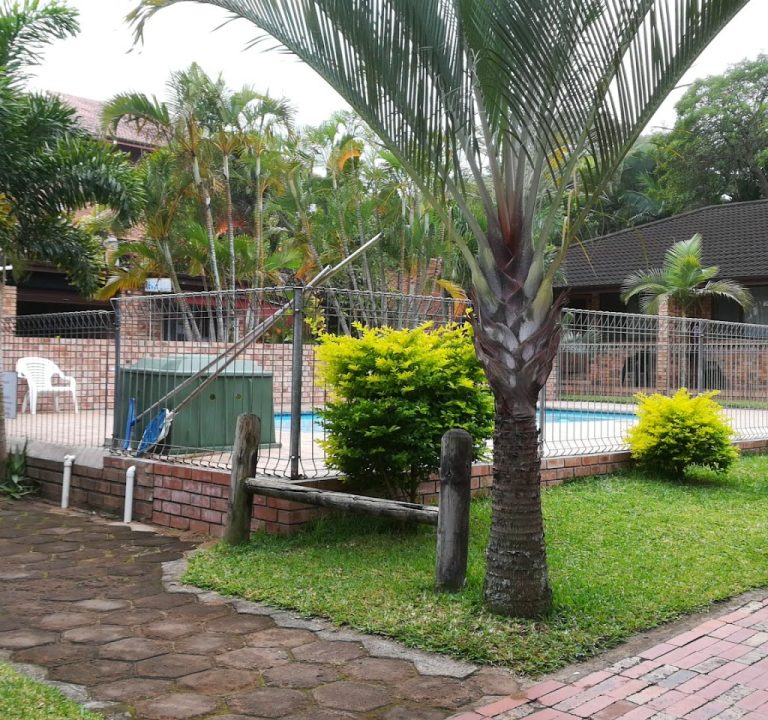
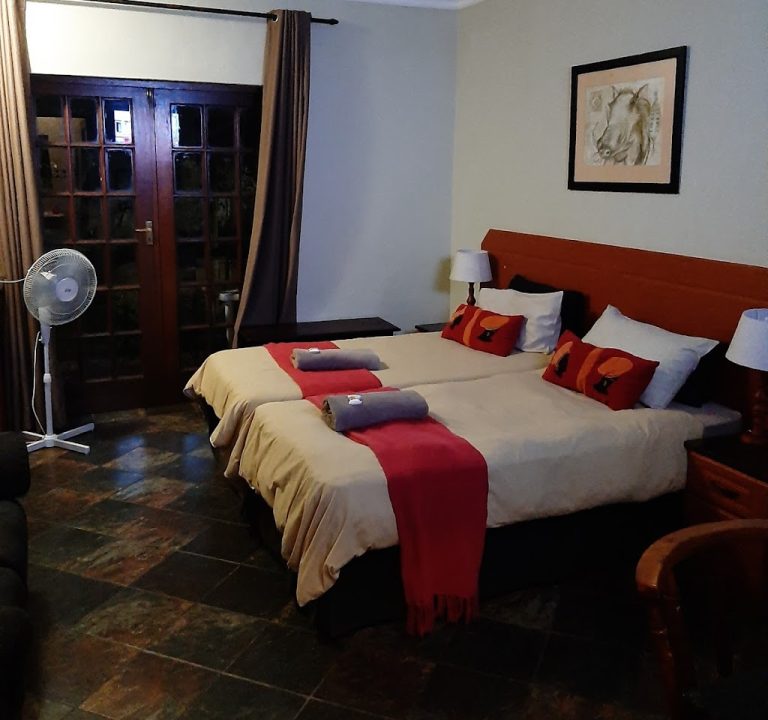
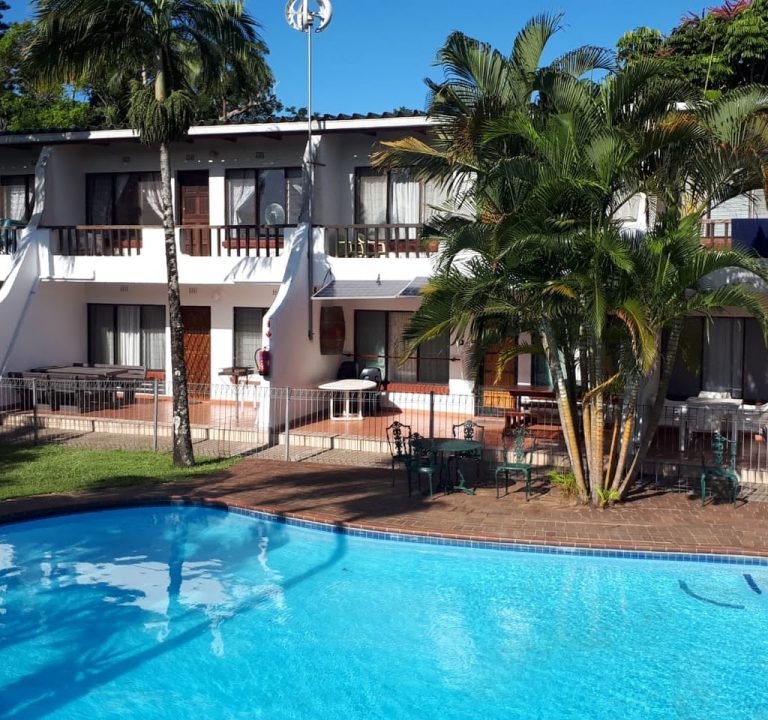
One example of a well-rated accommodation option in the area is Stone Ridge Luxury Self Catering St.Lucia. This property demonstrates how a thoughtfully designed self-catering retreat can balance modern comforts with easy access to nature and town amenities. For further details, you can visit their official website.
When booking, look for several practical details to ensure a smooth stay. First, confirm the proximity to the estuary entrances and boat launch points as many tours depart from the harbour or nearby lakes. Second, check parking arrangements if you plan to hire a vehicle, since some areas can be busy, especially during peak wildlife and whale-watching seasons. Third, review the kitchen or kitchenette provisions—some units offer full cooking facilities and grocery delivery options, while others may be more minimalist. Finally, inquire about security features, such as gated access, in-room safes or 24-hour reception, given the laid-back nature of the town and the surrounding reserves.
Typical amenities that travellers find valuable in St Lucia include free on-site parking, reliable wi‑fi, air conditioning or ceiling fans, and easy access to laundry facilities for longer visits. Pool areas are a popular draw during warmer months, and some properties offer outdoor shade, braai (barbecue) facilities, and covered outdoor seating to enjoy the tranquil climate. If you plan longer stays, a unit with a dedicated living area and a comfortable bedroom setup can make a significant difference to daily routines after day trips or wildlife drives.
Getting around St Lucia is straightforward, though planning in advance reduces stress. If you’re staying within the village, you may walk to many eateries and shops. For wider exploration or day trips, having a hire car is advantageous, especially to access remote beaches, nature trails, and viewpoints around the estuary and wetlands. Guided tours—whether boat trips to spot hippos, birds, or crocodiles, or nature drives into the surrounding reserves—are a popular way to maximise wildlife sightings and learn about the delicate ecosystems. Some operators offer combined experiences, such as estuary safaris, walking trails, and community-run cultural experiences, which can add depth to a stay.
Best time to visit St Lucia depends on what you’re hoping to see. The estuary and estuarine birds are a year-round draw, but the area is particularly renowned for seasonal wildlife. The dry winter months (May to August) bring clearer skies and comfortable daytime temperatures, making boat trips and walks more pleasant. The warmer, greener summer season (November to March) can offer lush landscapes but with higher humidity and the possibility of rain showers. Migratory bird events and occasional whale sightings in season can be highlights for nature enthusiasts. If you’re planning a wildlife-focused itinerary, aligning your dates with local tours and reserve access can enhance your chances of seeing sought-after species.
Eating well in St Lucia is part of the experience. Within the village you’ll find a range of informal cafés, bistros and family-friendly restaurants that offer seafood-focused menus, South African favourites, and international options. Many properties can recommend reliable nearby spots or arrange dinner arrangements for guests who prefer to unwind after a day of exploration. If you’re seeking something more local and hands-on, in‑town eateries often provide a relaxed atmosphere where you can sample flavours inspired by the coastal environment while still maintaining comfort and value for money.
Practical planning tips for a smooth stay in St Lucia:
- Book accommodation with clear information about access to water-related activities, parking, and security features.
- Choose a base that minimises transfer times to the estuary and boat departures, especially if you’re visiting with children or a tight itinerary.
- Pack layers for varying temperatures, sun protection for day trips, and a compact bag for short excursions into the reserve or along the beaches.
- Check cancellation policies and any seasonal constraints on tours or park access ahead of time.
- Utilise official or well-reviewed operators for tours to ensure responsible wildlife viewing and environmental stewardship.
To plan your stay, begin by selecting a base that aligns with your pace—whether you prefer a private self-catering retreat such as Stone Ridge Luxury Self Catering St.Lucia, a boutique guesthouse with personalised service, or a lodge offering organised excursions. With its blend of wildlife, wetlands, beaches and approachable dining, St Lucia provides a compact, traveller-friendly gateway to KwaZulu-Natal’s coast, where relaxation and discovery can go hand in hand. For more information on accommodation and planning ideas, you can visit the official sites of local properties and tourism pages linked from individual listings.