Accommodation and experiences in Franschhoek: planning a memorable stay in the Western Cape
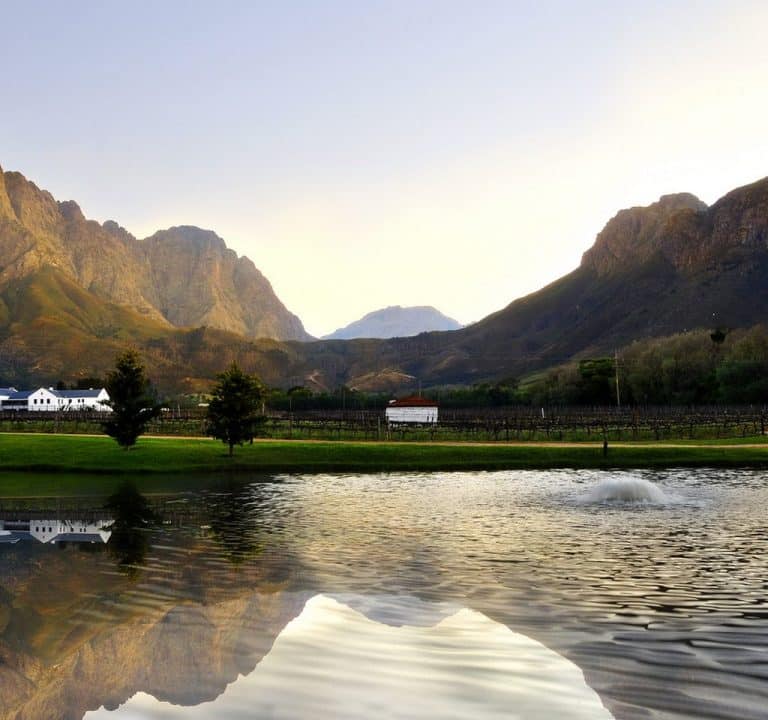
Franschhoek is a historic and scenic hub in the Western Cape, famed for its vineyards, art, and refined cuisine. When planning a stay, you’ll find a range of accommodation options that reveal the village’s character—from intimate guesthouses and boutique hotels to luxurious estates set against mountain backdrops. Whether you crave pampering on a wine estate, rustic farm comforts, or a modern townhouse base in the heart of town, Franschhoek invites you to slow down and explore at a comfortable pace.
Among the accommodation options, boutique hotels and guesthouses tend to emphasise personalised service, with hosts who can tailor recommendations for wine tastings, winery tours, and chef‑led experiences. For those seeking a more private experience, self‑catering cottages and rural lodges provide a home‑from‑home atmosphere, often with spectacular views and access to outdoor spaces. A notable example within the area is Sterrekopje Farm, which offers a tranquil setting with country charm and proximity to the village’s amenities. Details and availability can usually be found on the property’s official website.
Areas to consider for your stay include central Franschhoek village, where you’ll be within easy walking distance of wine estates, galleries, cafés, and the main square. Suburbs on the outskirts provide a quieter cadence with views over surrounding vineyards and the surrounding mountains. If you’re seeking an authentic farm‑style experience, look for farm stays and country houses a short drive from the town centre, where you can wake to the sound of birdsong and morning light over the valley.
When booking, consider the following typical amenities and what they mean for your trip. Air conditioning or efficient shading for warm summer days can be important, as Franschhoek experiences hot summers. En suites and well‑equipped kitchens are common in boutique accommodations and can greatly influence comfort, especially for longer stays. A good host or concierge service can save time by arranging vineyard tours, restaurant bookings, and transfers. Free and secure parking is a practical perk if you plan to explore by car, which is often the most convenient way to reach nearby wine estates and countryside trails.
Transport options in and around Franschhoek are straightforward but vary by season. In town, you can walk to a surprising number of attractions, but many wineries and scenic viewpoints sit along surrounding rural roads. Hiring a car provides maximum flexibility to tour the Cape Winelands, with day trips to nearby towns or the Franschhoek Pass offering spectacular scenery. If you prefer not to drive, look for accommodation that can arrange vetted local transfers or guided tours. In peak harvest periods, aim to book experiences well in advance, as availability can be tight and popular slots fill quickly.
Best time to visit Franschhoek depends on your priorities. Spring and autumn bring comfortable temperatures and fewer crowds, ideal for leisurely tastings and alfresco dining. Summer delivers long days and vibrant vineyard colours, while winter presents a quieter, reflective mood and the opportunity to enjoy cosy firesides in guesthouses and lodges. Festivals and seasonal events occur throughout the year, often centred around food, wine, and art. If you have a specific culinary or wine‑tocused itinerary, align your stay with the season to maximise your options without sacrificing relaxation.
Planning a stay in Franschhoek benefits from a balanced itinerary that covers accommodation, dining, and experiences without trying to do too much in a single day. A typical day might begin with a relaxed breakfast in your accommodation, followed by a morning winery visit or a countryside stroll. Lunch could be at a vineyard restaurant or a charming bistro in the village, later returning to your base to rest or enjoy a spa treatment if available. In the late afternoon, consider a scenic drive or a gentle walk along the valley paths before dinner at a restaurant that specialises in seasonal produce and hillside views.
Practical tips to make the most of your visit:
- Book accommodation with a flexible cancellation policy where possible, especially in shoulder seasons.
- Prioritise properties that offer curated experiences or easy access to wine estates, markets, and art galleries.
- Check parking arrangements and access routes, particularly if your stay is in a quieter suburb or rural setting.
- Bring comfortable walking shoes for village streets and sun protection for outdoor tastings.
- Allocate time for a spa, a cooking class, or an art trail to add a regional flavour to your trip.
- Respect vineyard etiquette—some estates require reservations for tastings and walks through the grounds.
When researching where to stay, look for properties that clearly communicate their location advantages, whether it is proximity to the village, easy access to the main road network, or views of the vineyards and mountains. Websites often offer maps and suggested itineraries, which can help you plan days that feel balanced rather than rushed. For a sense of place, seek out recommendations for local eateries and wine experiences that reflect Franschhoek’s heritage and contemporary culinary scene, while keeping in mind that prices, menus, and openings can vary seasonally.
For more information on staying in Franschhoek and to explore a range of accommodation options, including farms, boutique hotels, and guesthouses, you can visit official hotel and tourism pages. A dedicated local property site such as Sterrekopje Farm’s official site can provide current details on rooms, facilities, and booking terms, helping you tailor a stay that matches your interests and comfort level.