Pretoria: Where to stay, what to see, and how to plan your visit
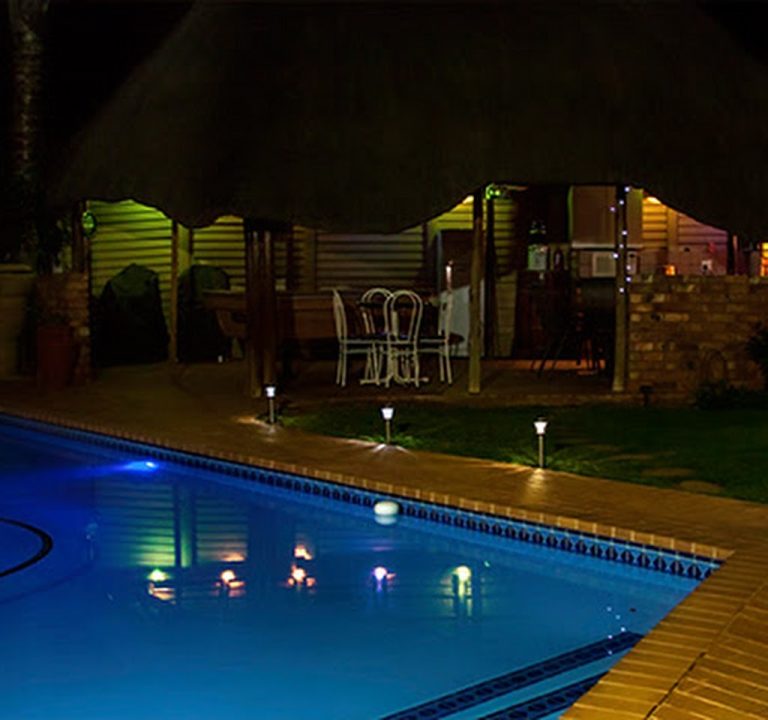
Praised for its leafy suburbs, rich history, and modern amenities, Pretoria offers a welcoming base for travellers exploring Gauteng. Whether you favour a boutique guest house, a mid-range hotel, or a stylish lodge, the city presents a range of options that blend comfort with easy access to major sights, government precincts, and cultural venues. For a concrete example of a guest house experience, Stay@603 in one of Pretoria’s well‑located neighbourhoods demonstrates how thoughtful hosting can complement a busy itinerary. See Stay@603 for inspiration on pacing a stay that balances rest with exploration.
When planning where to stay, consider the character and safety of the neighbourhood, the distance to the attractions you care about, and the level of personal service you prefer. Central districts offer quick access to museums, government buildings, and business hubs, while residential suburbs tend to deliver a quieter retreat with easy access to parks, markets, and dining venues. If you’re visiting for outdoor activity, suburbs closer to open spaces and nature reserves can shorten commute times and allow for relaxed mornings before heading out to sights.
Typical accommodation features to look for include reliable housekeeping, secure parking if you’re driving, good wifi, and a helpful front desk or host who can offer local recommendations. Many guest houses and boutique hotels in Pretoria provide ensuite bathrooms, thoughtful décor, air conditioning or heating, and airy communal spaces for socialising or reading. If you rely on public transport, check whether the venue offers easy access to bus routes or metro links and whether they can assist with taxi or rideshare arrangements.
Two practical planning points stand out. First, consider the time you’ll spend in the city core versus day trips to nearby natural or cultural highlights; this will influence whether you choose a stay nearer the Magnolia Avenue, the central business district, or a leafy suburb with calmer surroundings. Second, weigh the benefits of a self-catering option against full board or breakfast-inclusive stays. Pretoria’s climate means summers can be warm and rainy, while winters are usually mild but crisp; your choice of room heating or cooling can impact comfort levels during your stay.
Transport in Pretoria is straightforward but varies by area. If you plan to rely on taxis or ride‑hailing, factor in peak traffic times and the city’s layout, which includes a mix of broad boulevards and quieter residential streets. Some guest houses organise airport transfers or local day tours, which can simplify logistics. If you’re driving, look for secure parking and easy access to major routes that connect you to the Voortrekker Monument, the Union Buildings precinct, and the well-regarded nature reserves and botanical displays scattered around the city’s outskirts.
Best time to visit Pretoria often aligns with the Southern Hemisphere’s seasonal rhythms. Spring and autumn bring mild temperatures and pleasant conditions for outdoor exploration, including garden tours and city walks. Summer is lively, with longer daylight hours and a backdrop of occasional showers, ideal for museums and indoor venues when the weather shifts. Winter can be crisp but often clear, which makes sightseeing enjoyable with fewer crowds. If you’re planning outdoor activities, aim for the shoulder seasons to balance comfort and crowd levels.
Major attractions in the broader area tend to fall into a few easy categories. Cultural and historical sites offer insight into South Africa’s past and present, while nature and outdoor spaces provide restful counterpoints to city streets. When budgeting, most visitors allocate time for a couple of museum or gallery visits, a government precinct stroll, and a foray to a nearby park or nature reserve. Food lovers will discover a mix of traditional South African flavours, contemporary dining, and coffee spots that reflect Pretoria’s cosmopolitan character. While specific venues vary, a well‑rounded itinerary often pairs a day of cultural immersion with a lighter day of exploring markets or botanical spaces, followed by a relaxed dinner in a pedestrian-friendly district.
Where to stay in practice? Consider these broad areas as starting points:
- Central Pretoria for proximity to museums, government buildings, and concert venues.
- Arcadia or Sunnyside for lively dining scenes and easy access to transport links.
- Lakeside or Waterkloof for green, quieter avenues and boutique guest houses with refined amenities.
- Residences near the northern suburbs for leafy streets, parklands, and a tranquil atmosphere.
Practical tips to help you book and maximise your stay:
- Compare guest houses and boutique hotels for added perks such as guided walks, curated local experiences, or breakfast with a regional flavour.
- Read recent guest reviews to gauge consistency in cleanliness, service, and value for money.
- Check the availability of parking, laundry facilities, and Wi‑Fi quality if you’re travelling for work or longer visits.
- Ask hosts or staff for current safety tips and recommended day trips that align with your interests.
- Plan a flexible day-one schedule to settle in and allow for a spontaneous dining or market visit in the evening.
Ultimately, Pretoria rewards travellers who pair comfortable, well‑located accommodation with a balanced itinerary of arts, history, and outdoors. A stay that centres on ease of movement, thoughtful amenities, and friendly local guidance can transform a busy travel plan into a relaxed and memorable experience. For a sample of a guest house experience in the city, you might explore Stay@603 and consider how a well‑designed room, generous hospitality, and a convenient locale can set the tone for a well‑paced Pretoria break.