Stay, explore, and savour Pretoria: accommodation ideas and planner’s guide
Nestled in the heart of Gauteng, Pretoria offers a telltale mix of leafy streets, heritage architecture, modern eateries and a relaxed pace that suits both short stays and longer trips. When choosing a place to base yourself, consider the area’s character, proximity to your must-see sights, and the ease of getting around. Self-catering options, boutique B&Bs, and serviced apartments sit alongside larger hotels, each with its own rhythm and amenities to help you tailor your visit.
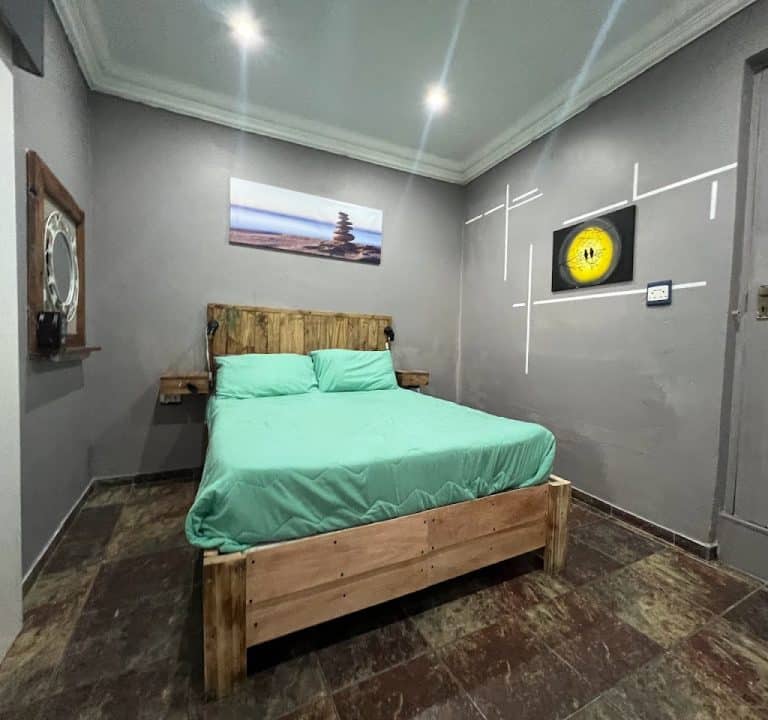
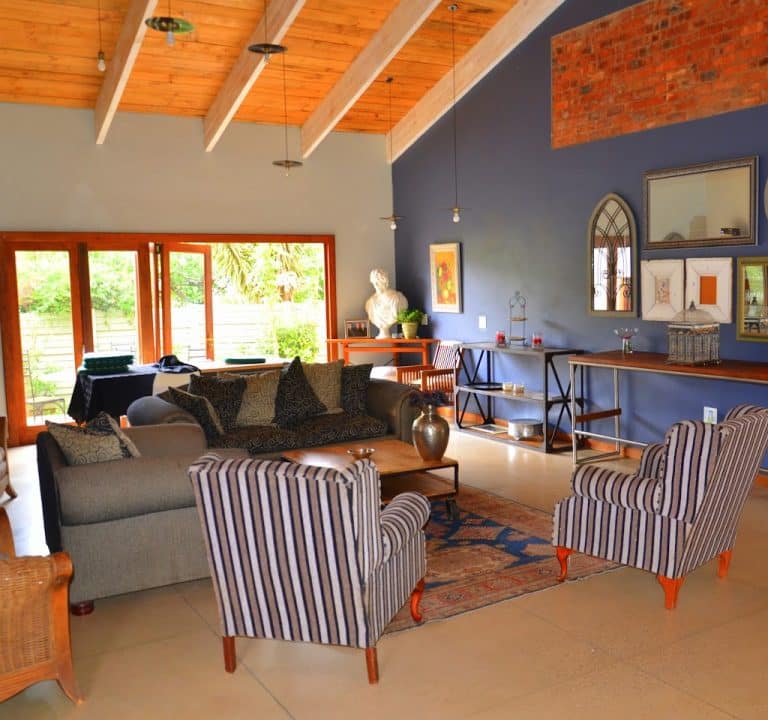
One notable option for visitors seeking a home-from-home experience is self-catering accommodation. A stay at a well-appointed apartment or guesthouse can provide the convenience of a private kitchen, laundry facilities, and living space, making it easy to travel with family or friends. Look for properties that offer clear information on self-catering amenities, wireless connectivity, and on-site parking if you’re hiring a vehicle. If you’re exploring Stay @Route27 or similar retreats, check how the property handles cleaning schedules, access after hours, and any shared facilities such as gardens or lounge areas.
Areas to consider when planning your stay include the city centre’s culture-forward vibe, Groenkloof and Waterkloof with their scenic vistas and leafy streets, and more residential pockets near Hatfield and Menlyn, which offer a mix of convenience and nightlife. If you value a quieter base with easy access to embassies, museums, and government precincts, a well-located suburb or a central apartment can cut down on daily commutes. For those who prefer a lively food and coffee scene within walking distance, opt for properties near popular dining districts or university-friendly neighbourhoods.
Typical amenities to prioritise include reliable wi‑fi, warm heating for the cooler months, secure parking, and clear check-in procedures. In South Africa, electricity reliability can vary, so properties with backup power or informative guidance on outages can be a real comfort. A well-equipped kitchen, quality linens, and comfortable seating also go a long way to making your stay restful. If you’re travelling during peak visitor periods, having flexible cancellation policies and transparent house rules can help you plan with confidence.
Transport choices are a key factor in deciding where to stay. Pretoria’s public transport network includes rail connections and buses, but many visitors find a car rental or a central location with walkable access to attractions and dining to be more convenient. If you’re not driving, check whether the property can assist with airport transfers or offer easy access to ride-sharing options. Proximity to main roads or highways can also influence travel times when exploring beyond the city centre, such as the nearby botanical gardens, nature reserves, and day-trip possibilities into the broader Gauteng region.
The best time to visit Pretoria depends on what you want from your trip. The city experiences a temperate, dry winter and a warm, sometimes rainy summer. Winter (June to August) is typically cool and sunny, making it pleasant for outdoor strolls and museum visits, while summer (October to March) can be lush and vibrant, yet occasionally hot and humid. Spring and autumn bring mild temperatures and pleasant light for exploring gardens, markets, and historic streets. If you’re planning outdoor activities, always check the forecast and plan a flexible itinerary.
When it comes to planning your days, it helps to have a mix of activities and downtime. Pretoria’s museums, galleries, and historic precincts offer insight into the city’s diverse heritage, while markets, coffee shops, and casual eateries provide opportunities to sample local flavours and crafts. For day trips, the surrounding countryside and nature reserves offer scenic walks and viewpoints, while safer, well-lit urban areas provide comfortable evening strolls and dining experiences. If you’re visiting with family, look for accommodation that offers child-friendly spaces or nearby parks and open-air venues.
Dining and neighbourhoods to explore tend to emphasise fresh produce, modern takeovers of traditional dishes, and stylish, casual venues ideal for groups. While it's best not to rely on single restaurant names in advance, you can expect a spectrum from relaxed cafés serving light meals to more sophisticated dining rooms offering locally inspired menus. When booking, consider properties that can offer recommendations or arrange reservations, especially during busy periods. Many guesthouses and boutique hotels will provide curated lists of places to eat, drink, and browse, helping you plan efficiently without long searches on arrival.
Practical tips for a smooth stay:
- Read guest reviews for notes on light, sound insulation, and the responsiveness of hosts or staff.
- Check parking availability and security arrangements, especially if you plan to rent a car.
- Confirm check-in times, late arrivals, and whether self-entry is available via a lockbox or digital code.
- Pack adaptors for South Africa’s electrical outlets and a light layering of clothing for variable weather.
- Have a flexible plan for day trips and keep a rough map of transit routes and driving times.
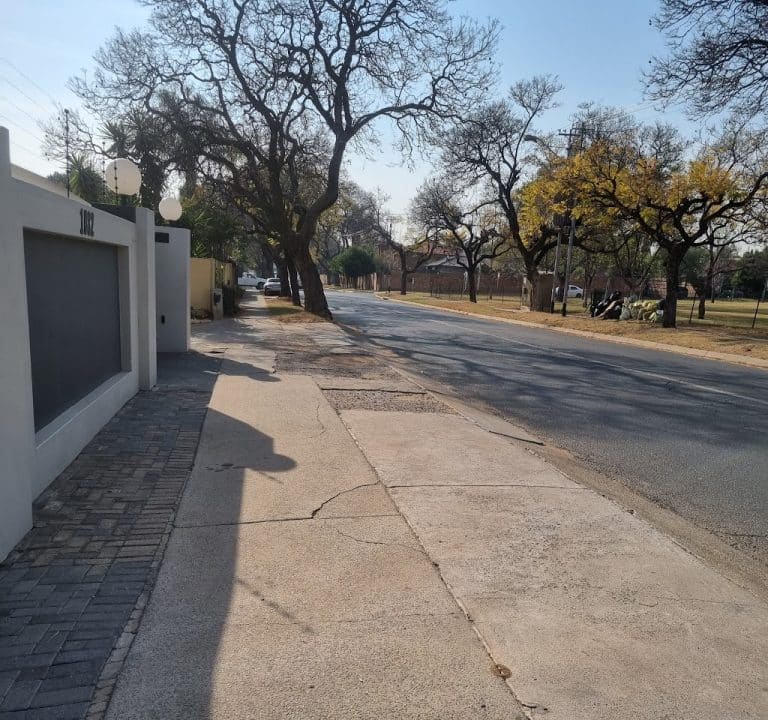
Stay options like Stay @Route27 offer a gateway to a comfortable base while you discover Pretoria’s north-easterly suburbs, quiet residential streets, and easy access to the city’s cultural hubs. Whether you’re here to admire architecture, wander markets, or enjoy modern eateries, a well-chosen stay sets the pace for an enjoyable Gauteng visit. With thoughtful planning around area choice, amenities, and transport, you can craft a tailor-made itinerary that balances discovery with rest, making Pretoria a memorable part of your South African travels.