Durban, KwaZulu-Natal: Accommodation and Experiences for a Well-Planned Stay
Durban offers a warm welcome and a diverse range of places to stay, from stylish boutique hotels on the Golden Mile to comfortable guesthouses tucked away in residential neighbourhoods. When planning a visit, it helps to consider which area will best suit your interests, whether you want easy beach access, proximity to markets and eateries, or a quieter base for day trips along the coast and into the surrounding countryside. Durban’s climate is subtropical, so packing light layers for the heat and sun protection for outdoor days is advisable most of the year.
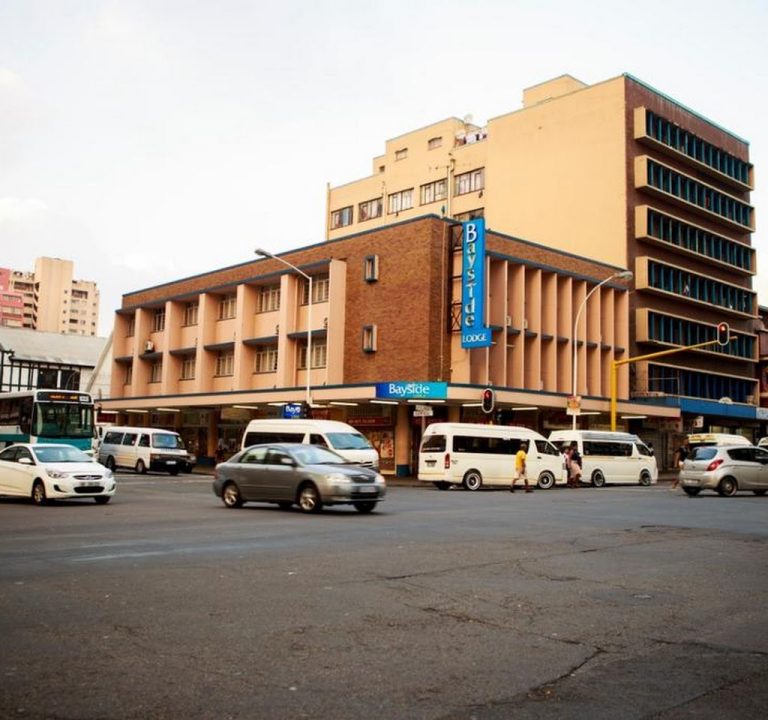
Areas to consider for accommodation vary in character and convenience. The beachfront along the Golden Mile provides direct access to beaches, promenades, and a lively coastal atmosphere, with options ranging from mid-range hotels to budget-friendly stays. The Berea area offers leafy streets, character guesthouses, and a short hop to the city centre, making it convenient for exploring museums, markets, and urban attractions. Umhlanga, a little north of central Durban, is known for contemporary hotels, well-rated restaurants, and a more resort-like feel with excellent transport links to Durban and surrounding towns. For a more authentic, pared-back experience, consider staying in Greyville or Morningside, which often provide easy access to markets, coffee shops, and park spaces while staying close to the city’s core amenities.
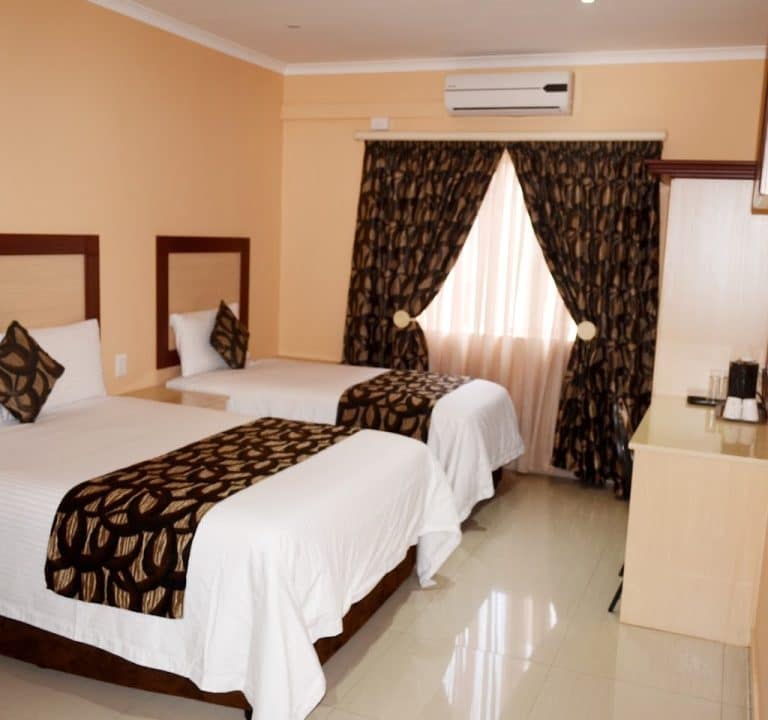
When choosing a place to stay, note typical amenities that influence comfort and planning. Look for reliable Wi‑Fi, secure parking or easy street parking, air conditioning or fans, and flexible cancellation terms. If visiting in peak season, a breakfast option or kitchen facilities can save time and money. Families might prefer larger rooms or suites with seating areas and self-catering facilities, while solo travellers may prioritise convenient access to transit routes and local recommendations. If you will be driving, check the hotel’s or guesthouse’s parking policy and security provisions. For longer stays, apartments or guesthouses with self-catering can offer greater flexibility and value.
Transport in Durban is practical but varies by area. The city roughly follows a grid on the coast, with major arterial routes linking districts. Within central Durban, Uber and other ride-hailing apps are widely used, while local buses and taxis offer cheaper options. If you plan longer day trips, having access to a car makes sightseeing at your own pace easier, particularly to reach the inland areas and scenic coastal routes. Some hotels provide shuttle services to beaches or the city centre; it’s worth confirming this at the time of booking. For trips to the airport or to outlying beaches, pre-booked transfers or reliable ride-hailing arrangements are convenient choices.
The best time to visit Durban for comfortable beach days and outdoor theatre or markets is during the late spring and autumn months, when temperatures are warm but not stifling. The summer months bring heat and humidity and occasional rain. The winter season is mild by many standards, appealing to those seeking lower hotel rates and less crowded attractions. Cyclone season can bring wet weather at times, so planning with a flexible itinerary is prudent. Check local events calendars and weather forecasts as you plan outdoor days, particularly if you intend to spend long periods on the coast or exploring gardens and parks.
Durban’s attractions naturally cluster around beaches, nature, culture, and flavourful dining. Along the beachfront, you can expect long sandy shores, promenades, and viewpoints ideal for photography. Urban parks and botanical spaces offer serenity and interesting plant collections, while the city’s markets and cultural precincts provide opportunities to sample local cuisine and crafts. For a family-friendly outing, look for venues that combine educational exhibits with interactive experiences. The surrounding region offers scenic coastal drives and heritage towns, enabling day trips that complement a city stay without needing to rush back to a single base.
Food and dining in Durban reflect its multicultural heritage. In addition to casual cafés offering light meals and strong coffee, you’ll find specialist seafood spots near the coast and curry houses reflecting the city’s Indo-African influences. Durban’s dining scene is well-suited to both quick meals between sightseeing and longer, leisurely meals in relaxed settings. When researching restaurants, consider proximity to your accommodation, foot traffic, and whether a venue offers outdoor seating for pleasant views after a day of exploring. If you prefer cooking for yourself, seek out guesthouses or serviced apartments with kitchen facilities, plus nearby supermarkets or fresh markets for ingredients.
Practical tips to help you plan a smoother stay:
- Read recent guest reviews to gauge consistency in service, cleanliness, and responsiveness to guest needs.
- Check cancellation policies and whether the rate includes breakfast or access to on-site facilities like a pool or gym.
- Confirm parking arrangements if you are driving, especially in busy seaside areas where street parking can be limited.
- Assess proximity to desired attractions and public transport options to minimise time spent commuting.
- Pack sun protection, a light rain layer for tropical showers, and comfortable walking shoes for city streets and parks.
For further inspiration and practical planning, the Durban region offers official tourism information and visitor resources that can help you build a balanced itinerary. Exploring a mix of coastal days, market visits, garden strolls, and relaxed meals will help you experience Durban’s warmth and vibrancy. For more ideas and practical details, you can visit official regional pages and tourism guides online.