Uvongo on the KwaZulu-Natal coast: where to stay, what to do and how to plan your visit
Uvongo, a leafy stretch along the KwaZulu-Natal South Coast, offers a relaxed setting where golden beaches meet tropical warmth. It is a popular choice for families, couples and travellers who want convenient access to sea, nature and a few charming eateries without the bustle of larger resorts. When planning a stay, consider the different neighbourhoods and transport options to tailor your itinerary around beach time, scenic walks and gentle day trips along this stretch of the coast.
Accommodation in Uvongo ranges from self‑catering apartments and cosy B&Bs to lodge-style properties and small guesthouses. Self‑catering apartments, such as those marketed by local operators, can be particularly practical for families or groups who value flexible meal routines. A stay in a lodge or guesthouse nearby often provides a touch more service while still keeping a relaxed pace close to the shore. When choosing where to stay, look for properties that offer easy beach access, secure on-site parking, and clear information about local transport options, including car hire or shuttle services for evenings out.
Areas to consider include the beachfront strip for immediate sea access and the quieter upper streets where leafy surrounds and a more residential feel prevail. Proximity to Uvongo Beach is appealing for morning swims and sunset strolls, while stays a short drive away can place you nearer riverine viewpoints, picnic spots and small nature trails. If you’re visiting with little ones, a ground‑floor unit or a property with a secure, walled garden can be very convenient. Always verify access to essential facilities such as clean, well-maintained bathrooms, reliable hot water, and dependable Wi‑Fi if you plan to work remotely or share travel updates with friends and family.
Practical planning tips for booking
- Look for clear cancellation policies and transparent house rules, particularly if you’re travelling with children or pets.
- Check the kitchen facilities and note what is provided for self‑catering: oven or hob, microwave, fridge, utensils, and basic staples are useful to have.
- Confirm parking arrangements, especially if you’ll be driving to explore the region. If you rely on public transport, verify how close the property is to bus routes or taxis.
- Consider accessibility needs and the layout of the accommodation, including stairs and doorway widths.
- Read recent guest reviews for insights into maintenance, noise levels, and responsiveness of hosts or managers.
- Check the neighbourhood’s safety and whether there are shaded paths or well-lit routes for evening strolls.
Typical amenities you may encounter in Uvongo properties include secure parking, air‑conditioning or ceiling fans for summer warmth, and well‑equipped kitchens or kitchenettes. A comfortable lounge area, good Wi‑Fi, and clean bedding are standard expectations. Some lodges and apartments offer communal pools, braai (BBQ) facilities, or small courtyards—these can add significant value for groups who want to spend more time at the property between beach excursions. If you’re bringing children, ask about cot availability, high chairs, and any rules around use of shared spaces.
Transport and getting around
- A car is often the easiest way to explore Uvongo and the surrounding KwaZulu‑Natal coastline. It gives you the freedom to chase favourable low tides, visit nearby beaches, and reach village convenience stores without relying on timetables.
- If you prefer not to drive, check whether your accommodation offers a shuttle service or can arrange reliable local transfers to beaches, markets or nearby towns.
- For longer day trips, you can combine coastal scenery with inland experiences such as nature reserves or viewpoints that showcase the region’s dramatic landscapes. A well-planned route that balances beach time with light walks is ideal for most visitors.
Best time to visit and practical considerations
- The coast enjoys a subtropical climate, with warm summers and mild winters. The peak heat and humidity tend to be in the southern hemisphere summer months, while spring and autumn offer pleasant conditions for outdoor activities and exploration.
- If you’re sensitive to salt air or wind, you may wish to book slightly inland accommodation during windy spells and reserve beachfront stays for calmer days.
- For those keen on photography or wildlife, plan morning visits to beaches and natural areas when light is favourable and crowds are thinner.
- Pack a light jacket for cooler evenings and a reef‑safe sunscreen to protect both your skin and the local coastal environment.
Local experiences and dining
- Uvongo is part of a broader coastal area with a mix of casual cafés, family‑friendly eateries and seafood spots. Rather than focusing on specific restaurant names, look for places that offer fresh, coastal menus, generous portions and outdoor seating where possible.
- Combine a beach day with a gentle stroll along the shore, followed by a riverside or estuary walk, which often reveals birdlife and pleasant viewpoints.
- For nature lovers, nearby reserves and trails provide opportunities to encounter coastal flora and fauna in a relaxed setting, with routes suitable for a range of fitness levels.
- If you are seeking a low‑key evening, many properties organise or can suggest local markets or village events where you can sample regional snacks and crafts.
Example property to consider
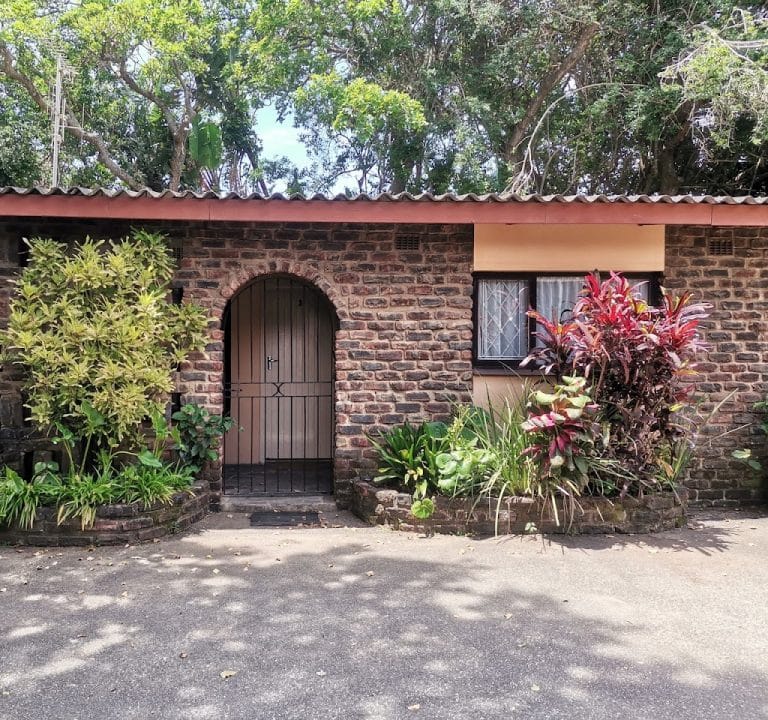
- Stafford Tide self‑catering apartment is an example of the type of lodge‑style accommodation available along the South Coast. Such properties typically offer self‑contained units with kitchen facilities, secure access, and convenient proximity to the beach and local amenities. For more details, consult your preferred booking platform or the operator’s official page if available.
In short, a stay in Uvongo offers a balanced mix of sun‑soaked beaches, gentle nature walks and convenient access to essential services. By choosing well‑located accommodation with clear information on facilities and transport, you can create a relaxed itinerary that makes the most of KwaZulu‑Natal’s warm hospitality and自然 coastline.