Springbok: Accommodation and Things to Do in the Northern Cape
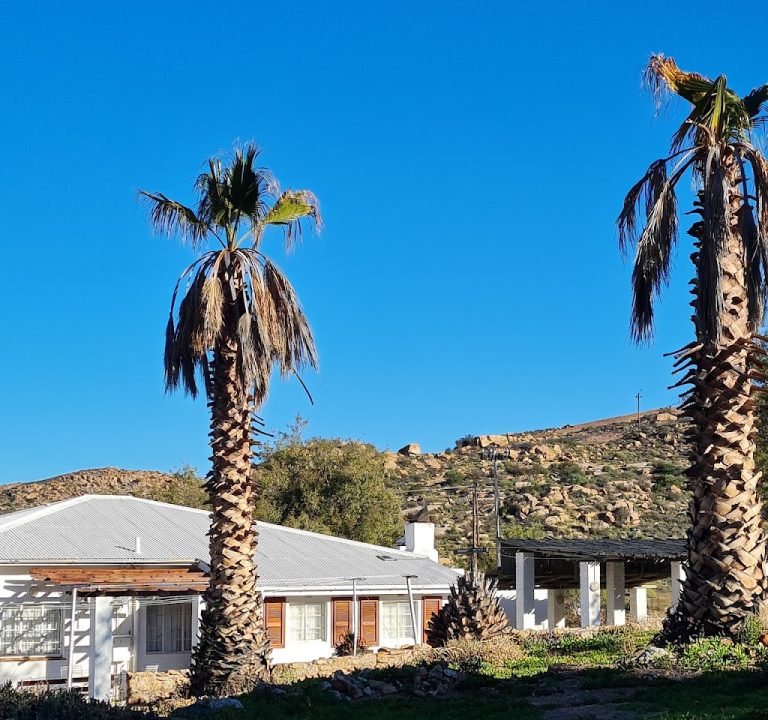
Springbok sits in the heart of the Northern Cape, a gateway to expansive desert landscapes, rugged mountains and the seasonal colour of Namaqualand. Whether you are seeking a cosy self-catering base, a guesthouse with personalised touches, or a hillside lodge with wide views, the town offers a range of options to suit different itineraries and budgets. Planning a stay here means balancing comfort with the practicalities of travel in a remote region, while keeping an eye on the best times to explore the surrounding scenery.
For those who favour independence and flexibility, self-catering options are particularly convenient. Properties such as Springbok Apartments provide a home-from-home base, with kitchens or kitchenettes, lounge spaces and secure parking. These kinds of stays are ideal for longer visits, families or travellers who prefer to prepare meals and pace their days around the light and heat of the high desert. If you prefer a more social atmosphere or a personalised approach to hospitality, draw from a broad mix of guesthouses and small hotels in the town centre and surrounding streets. Expect warm welcomes, friendly staff and tips on local routes and must-see viewpoints.
When choosing where to stay, consider proximity to key amenities and access to routes that lead toward the surrounding attractions. Central locations offer easy strolls to shops, cafés and informal eateries, while more secluded options can provide greater privacy and expansive views. Check what is included in a booking: reliable air conditioning or ceiling fans for hot days, good lighting for reading, and practical features such as secure parking, laundry access, and reliable water supply. Load shedding can affect power in some areas, so venues that have backup power sources or generators, and stable water pressure, can make a big difference to comfort.
Transportation around Springbok is straightforward if you have access to a car. The town is connected by national and regional routes, making day trips to nearby nature reserves and viewpoints feasible. If you are arriving by plane, the closest air connections are typically through larger regional hubs in the region; arranging a transfer or car hire in advance helps to maximise time for exploration. In-town transport is mostly walkable for short stays, but for longer journeys or photography expeditions into the surrounding desert landscapes, a vehicle is highly recommended.
What to look for in terms of amenities and experiences? A flexible kitchen or kitchenette, laundry facilities, and adequate outdoor space for al fresco dining are practical bonuses for visitors who like to make the most of longer stays. A balcony or veranda with seating can be a simple but welcome addition for watching desert sunsets. For families or groups, a living area with comfortable seating and good heating or cooling will help in comfort levels after long days outdoors. When it comes to meals, many accommodation providers offer on-site breakfast or light meals, with suggestions for nearby eateries that reflect the regional culture and ingredients.
The best time to visit Springbok depends on what you want to see and experience. Spring and autumn typically bring milder daytime temperatures, making it a comfortable period for outdoor exploration. Summer can be hot, with cooler evenings, while winter nights can be quite chilly. If your interest lies in flowering landscapes, plan a trip around the spring bloom in Namaqualand, though be prepared for changes in weather patterns and road conditions. Early planning for peak bloom times is wise, as accommodation can book up quickly during these seasonal highlights.
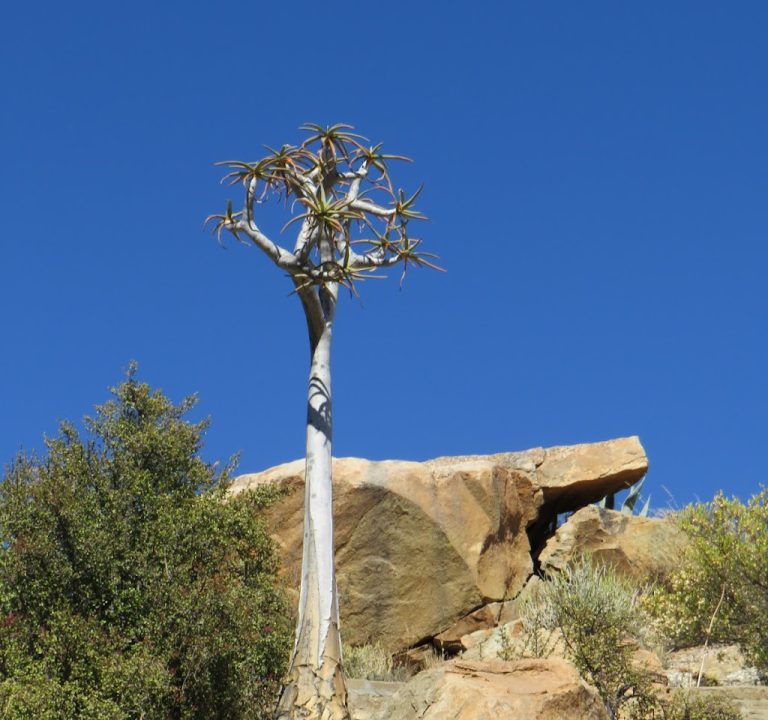
Nearby attractions and experiences are the main draw for a visit. The arid wilderness surrounding Springbok offers dramatic scenery, unique desert flora and panoramic views. The region is well suited to day drives and guided outings that explain the geology, history and ecology of the area. In broader terms, excursions to nature reserves and national parks in the vicinity provide chances to observe wildlife, wildflowers and birdlife in their natural settings. Expect signage and interpretive information that helps you understand the landscape without needing extensive prior knowledge.
Dining and casual eating options in and around Springbok tend toward straightforward, hearty comfort food and regional fare. Local cafés and restaurants typically serve breakfast and lunch items that suit travellers on the move, with menus that reflect a mix of home-style dishes and flavours inspired by the surrounding veld. If you are planning dinners out, you’ll find informal venues that focus on fresh produce and simple, well-prepared meals. For evening meals back at your accommodation, many self-catering and guesthouse options provide kitchens or shared cooking spaces, making it easy to enjoy a relaxed night in after a day of exploring.
Practical planning tips:
- Book with flexibility where possible to accommodate changing travel plans and seasonal weather.
- Check for essential amenities like air conditioning or fans, reliable heating, and a private or designated outdoor space.
- Consider a base that offers secure parking and easy access to main routes for day trips.
- Clarify water supply and any power backup provisions if you’re staying during periods of load shedding.
- Bring sunscreen, a broad-brimmed hat and durable footwear for outdoor exploration, plus a light backpack for daily outings.
- Use reputable local providers for activities and guided day trips to help ensure safety and sustainability.
If you are looking for a self-catering option within Springbok, you will find spaces that prioritise comfort and convenience, making it easier to tailor a stay to your itinerary. While in the area, allow time to soak in the stark beauty of the landscape and to discover the calm pace that characterises Springbok and its surroundings. For more information on accommodation styles and current availability, visiting official tourism sites or trusted travel guides can help you compare options and plan a well-paced itinerary that suits your interests.