Accommodation and Attractions in Pretoria, Gauteng: A Traveller’s Guide
Pretoria, the capital city of Gauteng, offers a mix of leafy neighbourhoods, modern guesthouses and boutique hotels, all within reach of cultural landmarks and dining experiences. When planning a stay, consider neighbourhoods that suit your pace—from historic streets and embassies in central areas to quiet, leafy suburbs that are convenient for meetings or day trips into the Magaliesberg foothills. Pretoria’s well-connected roads and rail links make it easy to explore beyond the city centre, while many guest houses provide secure parking and straightforward access to public transport.
Areas to consider for accommodation include central districts where historical and cultural sights are close at hand, and residential suburbs that prioritise tranquillity and easy access to shopping, parks, and cycle routes. In central Pretoria you’ll find guest houses and small hotels that emphasise character and personalised service, often with breakfast options and comfortable communal spaces. For a more relaxed stay, suburban pockets surrounding the city centre offer quieter streets, larger plots, and gardens, making them popular with couples and families seeking a restful base with easy transit to attractions.
What to look for when booking a place to stay will depend on your needs. Check for secure parking if you’re driving, reliable wifi for work or streaming, and clear information about breakfast options and kitchen facilities. Read the cancellation policy carefully, especially if your plans might shift. Consider transportation access: how close is the accommodation to main routes, bus stops or a Gautrain link? Some properties offer shuttle services or guidance on taxi options, which can be very useful for evenings out or day trips.
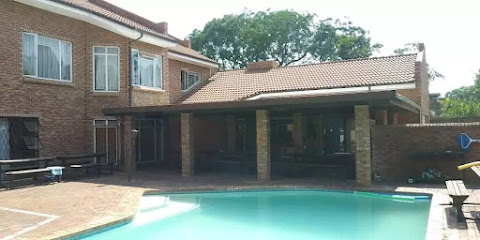
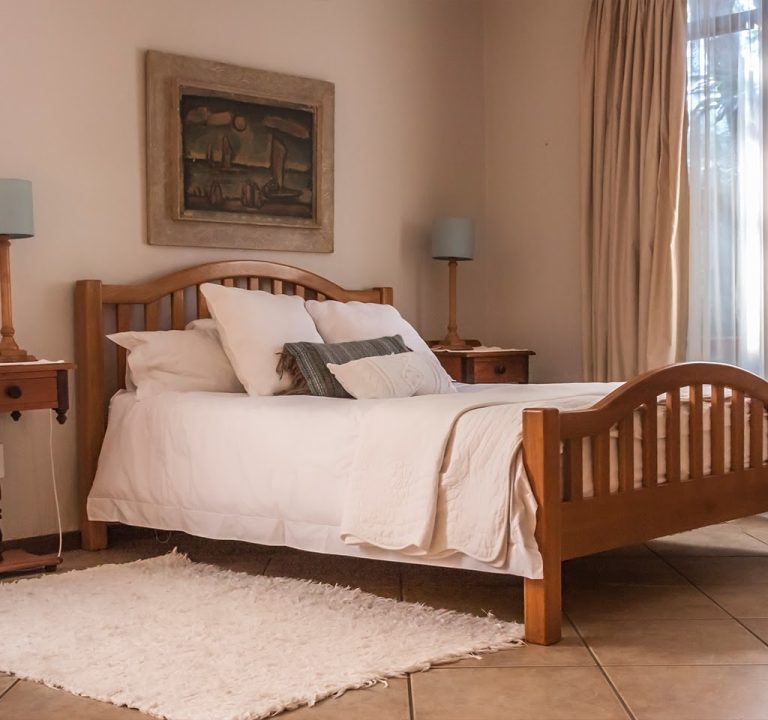
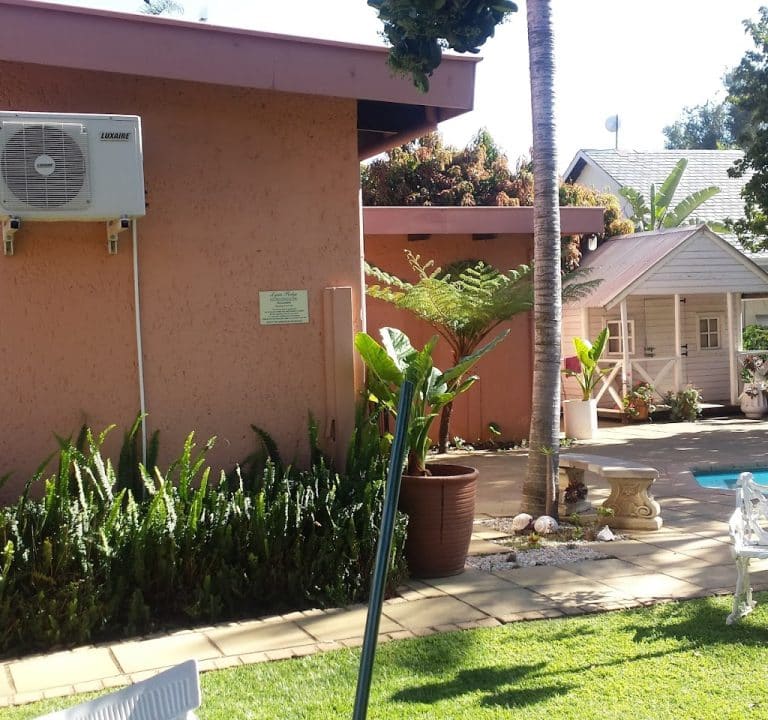
Typical amenities in Pretoria’s accommodation range from traditional bed-and-breakfast style rooms to modern suites. You may encounter features such as ensuite bathrooms, private entrances, and garden seating. Some guest houses offer shared lounges, on-site parking, and secure access, while boutique hotels might provide air conditioning, swimming pools, and well-reviewed breakfast plates made with local produce. If you value sustainability, look for properties that emphasise energy efficiency, recycling, and low-waste operations. For families, check room configurations (such as interconnecting rooms or suites with extra beds) and whether high chairs or cots are available on request.
Transport in Pretoria is straightforward, with a network of major routes and several rail links. If you plan to rely on public transport, choose a location within easy reach of main roads or near a railway station. Some areas are more walkable than others, while others are better suited to car travel. For day trips, the Magaliesberg region and nature reserves are within a comfortable driving distance, and many visitors pair outdoor time with a city stay. If you’re renting a car, ask your accommodation about on-site parking options, loading zones, and secure facilities for peace of mind.
The best time to visit Pretoria depends on your interests. Spring (September to November) brings mild weather and colourful jacaranda blooms, making outdoor strolling and street photography particularly pleasant. Autumn (March to May) offers comfortable temperatures and fewer crowds in popular venues. Summers can be warm and rainy, suitable for protected outdoor strolls and indoor museum days, while winter is generally cool and dry, ideal for museum-heavy itineraries and cosy evenings indoors. If you plan outdoor activities, keep an eye on seasonal advisories and local park hours.
When planning an itinerary, consider combining accommodation with a mix of sights, meals, and experiences. Iconic historic and political landmarks can be explored in a day, followed by relaxed meals at neighbourhood eateries that reflect South Africa’s culinary diversity. In Pretoria you’ll find options ranging from traditional braai spots and market-style eateries to modern cafés and fine dining, all offering a chance to sample both local produce and international influences. Rather than focusing on specific names or prices, look for venues that prioritise fresh ingredients, friendly service, and a welcoming atmosphere for solo travellers, couples, and families alike.
To help you plan, here are practical steps:
- Choose a base that balances proximity to sights with your preferred pace (central for easy walking; suburban for quiet evenings).
- Confirm essential amenities (parking, breakfast, wi‑fi, private bathroom) and identify any must-haves for your stay.
- Assess transport options: nearest rail links, bus routes, or availability of a vehicle if you plan day trips.
- Check local weather patterns for your travel window and pack accordingly.
- Map out a rough two- to three-day plan that includes cultural stops, parks, and dining moments.
For inspiration and practical planning, reputable tourism resources and official guides can provide an overview of attractions and transport in Pretoria. You can explore visitor information and suggested itineraries at regional tourism sites or official city guides. If you’re seeking a more intimate stay, smaller guest houses such as the Spitskop Commune type of property can offer a personalised experience, with a focus on comfort and a friendly approach to hosting guests. Always verify a property’s location on a map in advance, and review guest feedback to understand the personality of the space and how it fits your travel style.
In sum, Pretoria’s accommodation landscape supports a varied, comfortable stay, whether you’re here for business, culture, or leisure. With thoughtful planning—considering where you stay, what amenities you need, and how you’ll get around—you can craft a rewarding visit that pairs relaxed accommodation with engaging experiences across this dynamic Gauteng city. For further ideas and practical planning, explore official tourism pages and consider linking to the broader Gauteng and Pretoria visitor networks to tailor your trip to your interests.