East London, Eastern Cape: where to stay, what to see and how to plan a memorable visit
East London sits on the picturesque shores of the Eastern Cape, offering a relaxed pace, wide beaches and a welcoming mix of urban and coastal experiences. When planning a stay, consider a few distinct neighbourhoods and settings to match your travel style. The city centre and harbour area are convenient for city services, while coastal suburbs and riverfront precincts make for easy beach access and scenic strolls. For visitors seeking a quiet retreat, inland lodges and guesthouses tucked away from the hustle can provide a restful counterpoint to coastal sightseeing.
Accommodation choices range from intimate guesthouses and B&Bs to larger hotels and purpose-built lodges. A popular option is a well-run guesthouse with thoughtful interiors, private bathrooms, and a hearty, locally sourced breakfast. These properties often balance character with practical extras such as secure parking, Wi‑Fi, and guest lounges. When selecting a place to stay, look for clear information about parking arrangements, access to public transport or reliable taxi services, and nearby dining options. For families or travelling groups, self-catering options or rooms with kitchenette facilities can be particularly convenient.
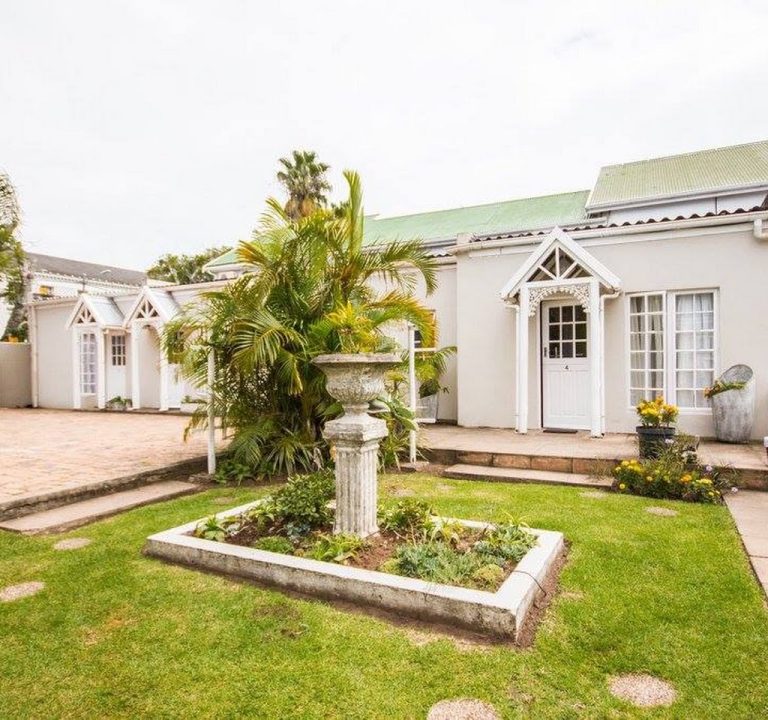
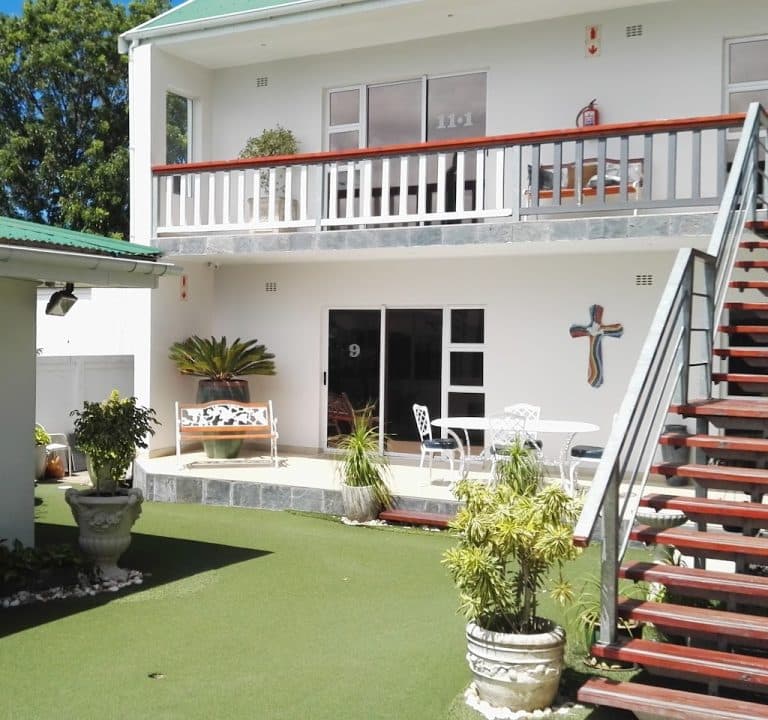
Southernstar guesthouse, as an example of indoor lodging in the area, showcases how a guest-focused approach can elevate a stay. While specific facilities vary, many guesthouses in East London emphasise a homely atmosphere, personalised recommendations, and easy access to local beaches, parks and markets. When researching, check recent guest reviews for consistency in cleanliness, breakfast quality, and the attentiveness of staff. A well-run property will outline nearby amenities, times for breakfast service, and any seasonal variations in opening hours for on-site facilities.
Key districts to consider include the city centre for proximity to shops and transport links, the coastal suburbs for beaches and promenade walks, and the riverfront area for scenic views and a relaxed ambience. If you prefer a coastal sunrise or easy access to long, sandy beaches, prioritise options within a short stroll or bicycle ride of the shore. Those seeking a more countryside feel might look for lodges or guesthouses set among trees or near nature reserves within a short drive of the main attractions.
Typical amenities across approved accommodations often include en-suite bathrooms, air conditioning or fans, reliable Wi-Fi, and parking. In addition, many properties provide practical touches such as guest laundry facilities, secure entry systems, and information packs with maps and local recommendations. When booking, verify whether breakfast is included and if it is a continental or full English-style offering, as this can influence your daily schedule. If you require accessibility features, confirm door widths, step-free entry, and bathroom fittings in advance.
Transport in East London is practical and straightforward. The domestic airport serves as a gateway for travellers arriving from other parts of South Africa, with taxis and rideshare options typically available outside the terminal. In the city centre, car hire is common, while several guesthouses offer on-site parking or partner with nearby parking facilities. Public transport is useful for city sightseeing, but a flexible plan often works best—especially if you wish to explore longer beaches along the coastline or day-trip to surrounding landscapes. If you intend to drive, pack a map or download an offline version, as not all routes have reliable mobile coverage in remote areas.
When to visit East London? The city enjoys a mild climate, with warm summers and comfortable shoulder seasons. Late spring through autumn can be ideal for beach days, outdoor walks, and dining al fresco. Off-peak periods may offer quieter streets and better-value accommodation, though some attractions or seaside eateries can follow seasonal hours. Packing a light layer for cooler evenings and sun protection for daytime outings is advisable year-round.
Top planning tips for a smooth stay:
- Book ahead for a guaranteed choice of rooms with your preferred bed size, en-suite facilities and breakfast options, especially in peak seasons.
- Check the cancellation policy and whether your host offers flexible terms in case plans change.
- Ask about breakfast times, kitchen access, and any dietary needs in advance.
- Consider a mix of accommodation types if staying longer—one or two nights in a coastal guesthouse and a few nights in a city-based property can diversify experiences.
- Plan day trips around the coast and inland reserves, scheduling beach mornings and nature walks for cooler parts of the day.
For attractions, keep plans flexible: long walks along the shore, visits to museums that showcase local history, and strolls through markets and waterfront precincts offer a sense of place without requiring fixed reservations. Dining tends to reflect coastal influences—seafood and farm-fresh produce feature prominently in many menus, with a range of casual cafés and family-friendly restaurants available across the city. When exploring, prioritise venues that source ingredients locally and support the community, while being mindful of opening hours and seasonal menus.
In summary, East London offers a straightforward, welcoming base from which to discover the Eastern Cape’s coastal scenery and urban conveniences. By selecting a neighbourhood that matches your rhythm, confirming practical details in advance, and keeping plans flexible for weather and transport, you can enjoy a balanced stay with comfortable accommodation, enjoyable dining, and accessible visitor experiences. For more information, browse the websites of reputable guesthouses and lodges in the area to compare room configurations, meal options, and guest reviews, and use local tourism pages to tailor your itinerary to the season and your interests.