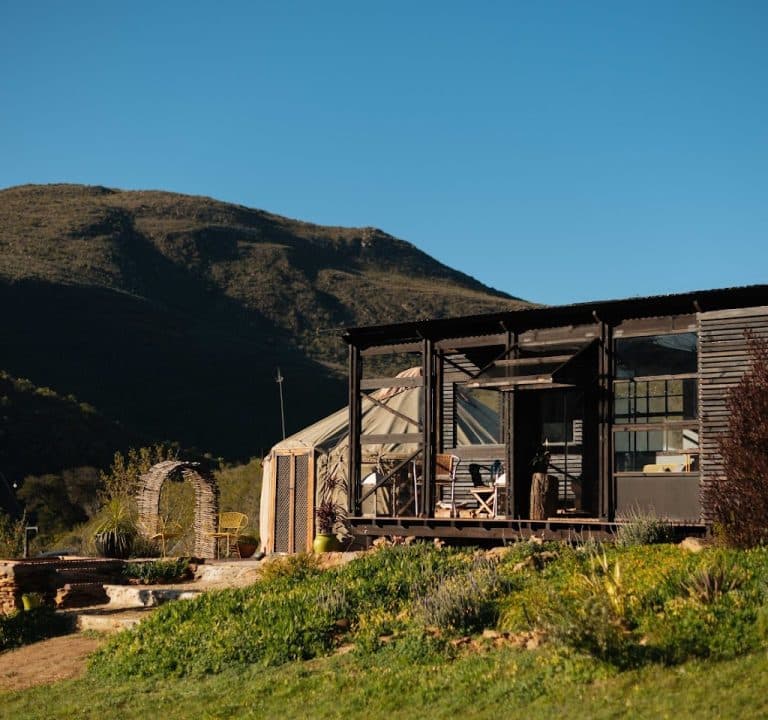
Southern Yurts is a Serviced accommodation establishment in Cape Town, Western Cape, South Africa
Southern Yurts: A serene, eco-conscious escape in the Diepklowe Conservancy
Situated on the Diepklowe Nature Reserve in the Western Cape, Southern Yurts offers a distinctive escape roughly 1.5 hours from Cape Town. Nestled in the Overberg, the property forms part of a broader setting managed by Porcupine Hills Guest Accommodation, with a focus on creating stylish, nature-forward stays that balance comfort with a strong ecological ethic. The venue is well-suited to travellers seeking intimate retreat experiences, small celebrations, or a peaceful base from which to explore the surrounding reserve and its natural beauty.
Accommodation at Southern Yurts spans a diverse range of styles, from luxurious farmhouses and an events lodge to cabins, glamping tents, cottages and traditional camping. This mix enables guests to choose a mood and level of comfort that best fits the occasion—whether it is a romantic break, a family gathering, or a larger group in need of flexible sleeping arrangements. Each unit is designed to offer privacy and connection with the outdoors, while ensuring guests have access to dependable private facilities and essential comforts for a restful stay.
One of the standout features across the collection is the incorporation of private amenities, including private wood-fired hot tubs in many units. Such details help guests unwind under starlit skies while staying within the caring embrace of the reserve’s natural soundtrack. The emphasis on comfort is complemented by practical inclusions: linen, towels and basic supplies are provided to streamline the arrival experience, allowing guests to focus on the surrounding scenery and the pace of the countryside rather than grocery lists and packing lists.
From an environmental perspective, Southern Yurts places a clear emphasis on sustainability and local engagement. Firewood is harvested from alien eradication programmes in the Botrivier, and a commitment to up-cycling extends to the accommodation designs—new wood is sourced from alien trees in the Western Cape, cabins are re-purposed from existing buildings, and yurt canvas covers are produced by South African companies that support local industries. The operation also prioritises responsible water use, drawing from farm springs and reusing water from showers and hot tubs through a natural filtration process that returns to the river systems. Biodegradable soaps, shampoos and conditioners are standard, underscoring a conscious approach to toiletries and waste reduction.
For guests contemplating a larger gathering, Southern Yurts and Diepklowe Conservancy can accommodate substantial bookings. The property, together with Porcupine Hills Guest Accommodation, can host groups for weddings, retreats or events, with the capacity to sleep 34–50 people and additional space for 40–60 campers. Prospective hosts are encouraged to reach out via the dedicated contact page to explore dates and logistical arrangements, ensuring the chosen configuration aligns with the nature of the celebration or programme.
Nearby highlights are centred on the reserve experience itself and the surrounding Renosterveld biome. The Diepklowe Nature Reserve provides a tranquil setting for hiking and nature appreciation, and the conservation ethos of the area informs every stay. Guests are welcome to consider supporting the Diepklowe Conservation Trust, a non-profit fund dedicated to reserve management, erosion control, riverine restoration, and trail access. A conservation fee of R75 per person per stay is added to bookings to support these programmes, with additional opportunities to learn about and participate in reserve initiatives through direct contact with the team.
Booking and travel tips help ensure a smooth stay. The property embraces midweek specials, with Autumn promotions offering percentage discounts for longer weekday stays, encouraging guests to plan midweek breaks that combine leisure with a quieter, more intimate ambience. While specific codes and dates may vary, the emphasis remains on value alongside the assurance of the distinctive Southern Yurts experience. For general inquiries or to discuss large-group or exclusive-use options, the site provides a clear pathway to contact through the Group and Event Enquiries page, or via the online messaging button. Prospective guests are encouraged to review the offerings on the official site to understand the scope of available accommodations and to assess how the various styles might fit the desired travel or event brief.
Beyond the accommodation itself, Southern Yurts invites visitors to consider contributing to the local community through clothing and goods donations for nearby Botrivier and Van der Stel Pass communities. Donations can be brought to reception at check-in, underscoring a culture of generosity that complements the reserve’s environmental stewardship. For those seeking practical information on booking, travel arrangements, or event planning, the property maintains accessible channels via its official site, including the dedicated contact section and social links, where visitors can gather current details on availability and policy considerations.
- Flexible accommodation options: luxury farmhouses, cabins, glamping, yurts, and camping
- Private facilities with wood-fired hot tubs and essential comforts
- Strong ecological focus: sustainable materials, local sourcing, and green practices
- Group and exclusive-use potential for weddings, retreats and events
- Proximity to the Diepklowe Nature Reserve and the broader Overberg landscape
- Conservation contributions via a per-person fee and opportunities to engage with reserve initiatives
For those seeking a nature-rich retreat that places comfort within a framework of ecological responsibility, Southern Yurts presents a considered option in the Western Cape. With a range of unique accommodations, a commitment to sustainable practices, and the allure of a private reserve setting, the property invites travellers to slow down, rediscovering the balance between relaxation and responsible travel. Guests can explore further details and make inquiries through the official site’s contact options, including group and event enquiries, to tailor a stay or celebration that honours both people and place.
Cape Town
Western Cape
7185
South Africa
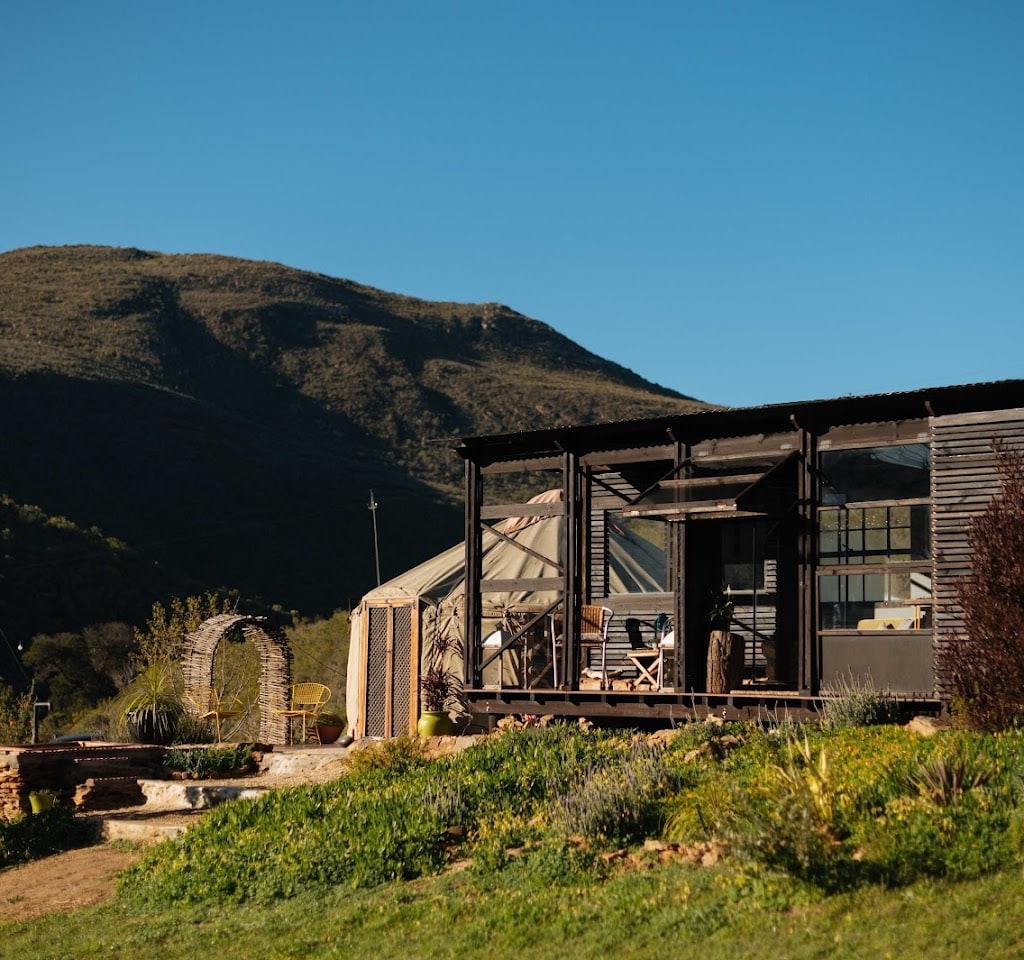
Accommodation and Experiences in Cape Town and the Western Cape: Planning Your Stay
Cape Town and the surrounding Western Cape offer a superb mix of accommodation styles, from stylish city stays and coastal villas to farm stays, glamping, and nature retreats. Whether you’re planning a short city break, a family holiday, or a longer discovery tour through the Winelands and coastal towns, there are options to suit every pace and budget. When planning your stay, think about accessibility, the character of neighbourhoods, and what you want to do each day. A well-chosen base can save you time and enhance your whole itinerary.
For travellers seeking a balance between comfort and a sense of place, consider properties that provide easy access to both nature and cultural sights. In the Western Cape, many guests opt for stays near the city bowl for urban dining and museums, or along the Atlantic Seaboard for beaches and sunsets. A countryside or nature-based option, such as a lodge or glamping site in nearby reserves, offers quieter mornings and starlit evenings while still being within a couple of hours’ drive of Cape Town’s highlights. If you’re travelling in a group or seeking a flexible venue for events, some large properties and dedicated venues can host gatherings while also offering secluded accommodation for guests.
Take note of areas to consider when booking:
- Proximity to the attractions you want to visit (Table Mountain, Cape Point, the Cape Winelands, or whale-watching along the coast).
- Distance to airports or main transport hubs, and access to reliable road or rail connections.
- Neighbourhood character—vibrant urban environments vs. tranquil rural or coastal settings.
- On-site amenities such as private air conditioning or heating, ensuite bathrooms, kitchen facilities, and free Wi‑Fi.
- Flexibility for groups or couples, including options for private entrances, self-catering facilities, or serviced layouts.
Typical amenities to look for include private facilities, clean linen and towels, and environmentally conscious practices. Some properties offer unique features that might be important for your stay, such as private outdoor spaces, patio or balcony seating, easy outdoor access, and facilities like hot tubs or braai (barbecue) areas. If you’re travelling with children or pets, check whether the property is family-friendly or pet-friendly and whether there are nearby activities suited to younger guests.
Transport in the Cape region is best planned with a car in mind, especially if you aim to explore beyond Cape Town’s limits. The city has a growing network of rideshare services, but a private car often makes day trips to the Winelands, coastal towns, and nature reserves smoother and more flexible. For visitors staying in or near the city, look for accommodation with good access to main routes and parking if you’ll be driving daily.
The best time to visit Cape Town and the Western Cape is typically during the southern hemisphere’s shoulder seasons. Spring (September to November) and autumn (March to May) offer mild weather, fewer crowds, and excellent driving conditions for day trips to the Cape Winelands or coastal routes. Summer (December to February) brings longer days and lively outdoor scenes, but popular spots can be busier, while winter (June to August) is cooler and rainier, yet offers dramatic scenery and lower rates in some areas. Plan your activities to suit the season—hikes and wildlife viewing can be superb in autumn and spring, while coastal experiences thrive in summer.
For those seeking a distinctive stay, consider places that emphasise destination experiences. For instance, a nature reserve-based option may combine comfortable lodging with opportunities to engage with conservation work, guided walks, and sustainable farming practices. An example within a roughly 1.5-hour drive from Cape Town is a reserve offering multiple accommodation styles—from luxury farmhouses to glamping yurts and event lodges—designed to accommodate families, groups, or entire-property bookings for weddings and retreats. Such properties often highlight eco-conscious practices, locally sourced materials, and water or energy-saving initiatives, while still providing modern comforts and private facilities for guests. When researching, review how the property manages water use, waste, and their integration with surrounding communities and conservation efforts.
When planning meals and dining, Cape Town’s restaurant scene spans casual bistros, seafood spots, fine dining, and market-style eateries. For most visitors, it’s worth reserving at least a couple of dinners at places that showcase regional flavours, followed by relaxed lunches on harbour fronts or in vineyard towns. If you prefer self-catering or a private kitchen, many serviced accommodations offer fully equipped kitchens or kitchenettes, making it easy to plan your own menus after day trips.
Practical tips for a smooth stay:
- Book in advance for peak periods and major events; regional attractions can fill quickly during holidays and weekends.
- Check the cancellation policy and any conservation or community contributions linked to your stay.
- Pack layers for variable coastal weather; even in summer, evenings can be cool.
- Consider combining a city stay with a country or coast-based retreat to balance activities and downtime.
- Explore local experiences beyond the obvious sights—guided walks, coastal drives, markets, and community projects can deepen your visit.
To explore an example of an independently managed option with varied accommodation styles and a focus on ecological stewardship, you can visit Southern Yurts. Located near the Diepklowe Nature Reserve in the Overberg, they offer luxury farmhouses, cabins, glamping, and event spaces, with private facilities and seasonal conservation work themes. Their site provides booking and group enquiry options for weddings, retreats, or extended stays, along with eco-conscious practices that align with responsible travel. Visit Southern Yurts for more details and inspiration on a nature-rich Western Cape stay.
Sorry, no records were found. Please adjust your search criteria and try again.
Sorry, unable to load the Maps API.
Why Claim Your Listing?
Claiming your listing on the B&B Finder directory website is a valuable opportunity for business owners. Here are five reasons why you should consider claiming your listings:
Control Over Business Information: By claiming their listing, business owners can ensure that all the information presented is accurate and up-to-date. This includes details such as contact information, address, pricing, and available services or amenities. Accurate information helps prevent customer confusion and improves overall satisfaction.
Enhance the Listing: Once a listing is claimed, owners can enhance it by adding more comprehensive information and rich media, like high-quality photos and videos. These additions can make the listing more attractive and engaging to potential customers, thereby increasing the likelihood of bookings.
Marketing Opportunities: Claiming a listing can also open up additional marketing opportunities. Owners may be able to participate in promotional campaigns, special offers, and other marketing activities organized by the directory. This can increase visibility and attract more customers to the business.