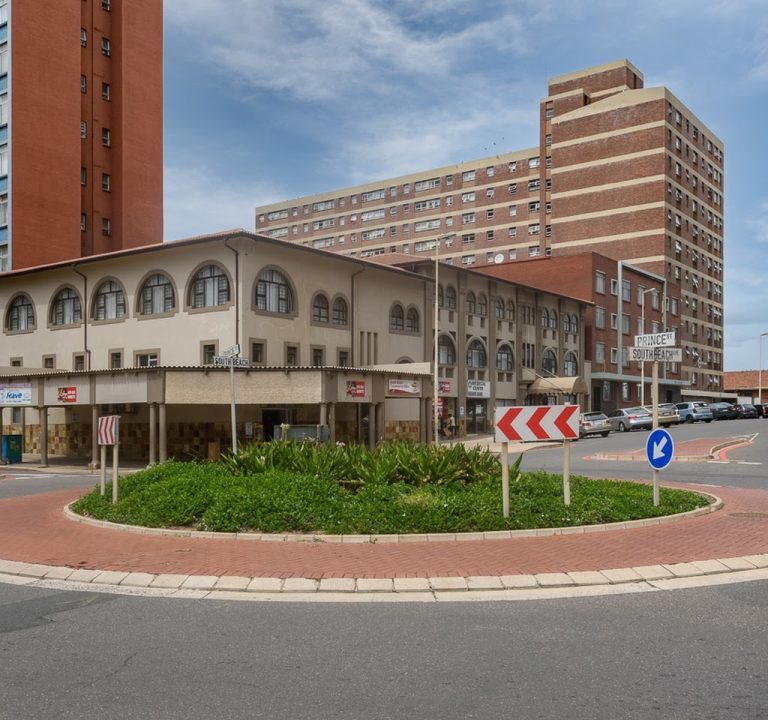
Durban: Accommodation, Attractions, and Practical Planning for a Memorable Stay
Durban, perched on the KwaZulu-Natal coast, blends subtropical climate, vibrant culture and a laid‑back beach atmosphere. Whether you are seeking a buzzy city centre base, a family‑friendly stay along the Golden Mile, or a tranquil escape near the harbour or inland hills, there are hosts of accommodation options to suit every budget. Durban’s guesthouses, B&Bs, hostels, and hotels offer welcoming hospitality, often with convenient access to public transport, warm coastal breezes, and easy introductions to the city’s diverse food scene and outdoor pursuits.
Areas to consider when planning where to stay:
- Ile de Durban’s central belt around the business district and the Golden Mile is ideal for first‑time visitors who want quick access to beaches, casual dining and city sights. It is handy for short hops around central attractions and for staying close to public transport routes.
- The Point precinct and nearby harbourfront offer a mix of historic architecture, promenades and scenic coastal walks. This area suits travellers who enjoy a seaside stroll and a lively, walkable environment.
- Morningside and the older suburb corridors feature leafy streets, boutique guesthouses and a calmer pace while remaining within reach of the city’s northern beaches and shopping hubs.
- Westville and nearby inland suburbs deliver a quieter, more residential feel with easy access to scenic drives and nature trails, useful for guests seeking day trips to the Valley of 1,000 Hills or the Natal Midlands.
What to look for when booking:
- Room configuration and privacy: family suites, en‑suite bathrooms, and quiet corners for work or rest with good daylight help tailor a stay to your plans.
- Access to transport: proximity to major routes, taxi ranks, or tram/bus services can save time on daily excursions. Check whether the property offers parking if you are driving.
- Amenities: reliable Wi‑Fi, air conditioning or ceiling fans, secure storage, and a hearty breakfast are common plus points in Durban’s warm climate.
- Safety and security: well‑lit entrances, 24‑hour reception, gated parking or on‑site security often contribute to peace of mind, particularly for longer stays.
- Guest reviews: recent guest experiences can reveal the consistency of service, cleanliness and the helpfulness of staff, which is especially important for first‑time visitors to Durban.
Typical accommodation styles you may encounter:
Guesthouses and B&Bs frequently offer a personalised touch, with hosts sharing local tips on neighbourhoods, markets, and seasonal events. Hostels and budget‑friendly options can provide a sociable atmosphere with shared facilities, ideal for solo travellers or those seeking cost‑effective bases from which to explore. Mid‑range hotels often strike a balance between comfort and convenience, with on‑site dining, concierge services and well‑appointed rooms. For a longer stay, serviced apartments or boutique lodges can provide a home‑from‑home feel with kitchen facilities and more living space.
Practical planning tips for Durban stays:
- Best time to visit: Durban’s coastal climate is warm year‑round, with peak beach season in the austral summer (roughly November to February). Winter months are milder but still pleasant for outdoor activities and sightseeing. If you plan to swim or engage in water sports, check local safety guidance and seasonal currents.
- Transport in and around the city: while taxis and rideshare services are widely available, budgeting for occasional longer hops (to the inland hills or nature reserves) is wise. A car can offer flexibility for day trips, though many attractions are reachable by bus routes and coastal promenades are ideal for pedestrian exploration.
- Packing essentials: light clothing for days on the coast, a light layer for breezier evenings, sun protection, and comfortable footwear for walking and markets. If you intend to explore regional parks or hills, bring appropriate outdoor gear.
- Dining and eateries: Durban’s culinary scene is notable for its coastal flavours, Indian and African influences, and street‑side markets. Many accommodations offer breakfast or on‑site dining, and nearby areas host a range of casual eateries and markets where you can sample local dishes without committing to formal meals every day.
- Safety and respect: as with any city, plan for sensible personal safety—keep valuables secure, utilise reputable transport options, and be mindful of crowded areas, especially during peak times at markets or beaches.
When choosing a stay, balance convenience with comfort. A well‑located property near the promenade or harbour makes it easy to enjoy early morning walks along the coast, browse the markets for crafts and souvenirs, and sample a mix of casual cafés and seafood options. If you prefer a more tranquil base, pick a guesthouse or lodge set back from the bustle, with restful rooms and a welcoming host who can tailor day trips to your interests—whether it is a coastal drive, a nature excursion, or a cultural stroll through urban precincts.
Durban also serves as a gateway to broader KwaZulu‑Natal experiences. If you are planning a self‑drive itinerary, consider a route that combines coastal highlights with inland hill scenery, or a cultural loop that includes local markets and historic sites. For those seeking guided insights, many accommodation providers partner with local operators offering curated walks, city tours, or nature outings. Always verify what is included in a booking, such as breakfast or airport transfers, and check the property’s website for the latest guest information and travel tips.
Available options range from practical, sociable hostels to comfortable guesthouses and modern hotels. With thoughtful planning and a focus on locating a well‑positioned base, your Durban stay can be both relaxed and rewarding, leaving time to enjoy the beach, explore the harbourfront, and discover the city’s warm, welcoming local hospitality. For more inspiration and practical traveller resources, you can visit Durban’s official tourism pages or reputable travel guides online.