Durban North sits along the northern outskirts of Durban, offering a convenient mix of beach proximity, residential calm and easy access to the city’s attractions. Whether you are travelling solo, as a couple, or with family, the area provides a range of stay options from budget-friendly hostels to comfortable guesthouses and mid-range hotels. The neighbourhoods around the bay and the inland residential streets are well suited to exploring on foot or by car, with simple routes to the main seaside promenade, shops, and restaurants.
One notable option for travellers seeking affordable, sociable accommodation is a friendly hostel in the area that emphasises community and practical facilities. Such places often host common spaces where guests can swap tips about local beaches, markets and day trips. When you choose a hostel like this, you may enjoy shared kitchens, secure storage for luggage, and practical advice from staff who know the rhythms of Durban North and the broader Durban coast.
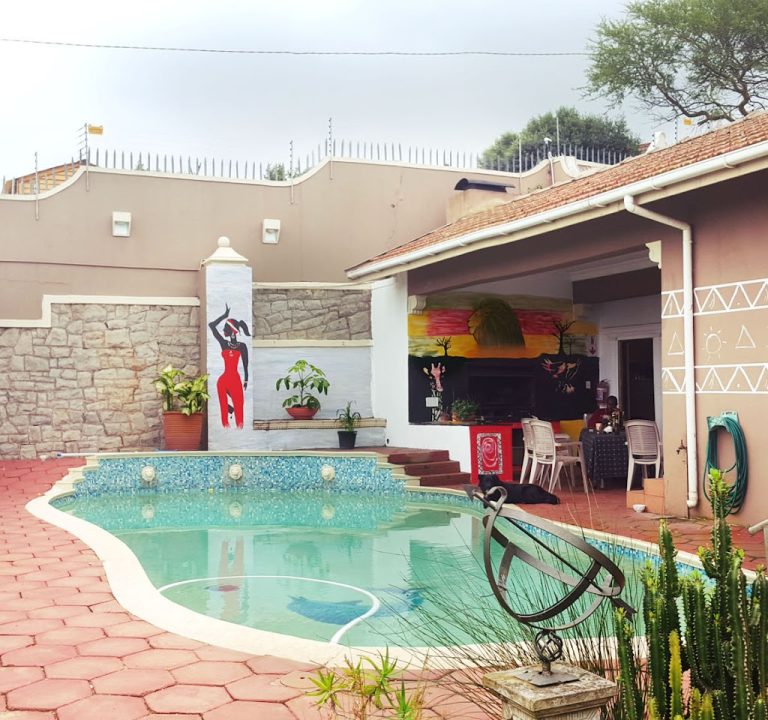
For travellers seeking a touch more comfort, guesthouses and small boutique-style properties are plentiful. These often align with residential streets and offer generous guest lounges, well-equipped en-suite rooms, and outdoor spaces where breakfast or a light dinner can be enjoyed. Some accommodations may feature shaded patios, swimming pools, or easy access to garden paths—ideal for relaxing after a day of sightseeing or business meetings.
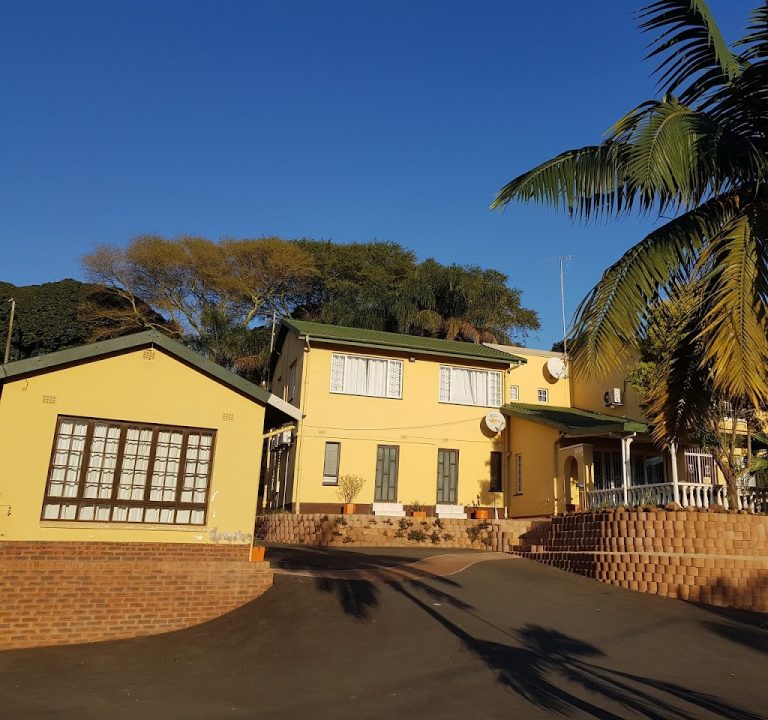
Smith’s Cottage is a notable example within the Durban North area. While staying here, guests typically enjoy the character of a traditional building combined with practical amenities, a friendly atmosphere, and an approach that suits travellers who value location and affordability. It serves as a useful reference point for planning a stay in the neighbourhood, particularly for guests who prefer modest, community-minded accommodation with straightforward access to the coast and local amenities.
When planning a stay, consider how you’ll move around. Durban North benefits from a range of transport options, including convenient access to major roads, airport links via the broader coastal corridor, and public transport routes that connect to central Durban and beachfront districts. If you plan to stay close to the oceanfront, you may find walking along the promenade rewarding, with opportunities to pause at cafés and kiosks. For longer day trips, a rental car can provide flexibility, while guided tours or shuttle services can ease travel between beaches, nature reserves and cultural stops.
Accommodation in Durban North tends to offer a spectrum of amenities that align with different trip priorities. Typical inclusions you might encounter include secure parking, complimentary Wi‑Fi, daily housekeeping, and breakfast options that showcase local flavours. Some properties may also provide tips on surf-friendly beaches, safe swimming areas, and protected nature reserves within a short drive. If you have specific needs—such as mobility assistance, family-friendly rooms or quiet workspaces—check the property's listing for accessibility details and room configurations before you book.
The best time to visit Durban North mirrors the broader Durban region: the coastline enjoys a subtropical climate with warm summers and mild winters. Summer (roughly October to April) can be lively, with beach-goers and outdoor events, while winter (May to September) tends to be cooler and drier. If you’re drawn to outdoor activities like coastal walks or swimming, plan for mornings or late afternoons to avoid peak sun and heat. Shoulder seasons often deliver quieter streets, a lower chance of crowding at popular spots, and reasonable room rates, though weather can be more variable.
When selecting accommodation, think about proximity to the main drawcards you have in mind. For beach access and sunlit days by the sea, stay nearer the coast. If your plans lean towards family-friendly attractions, look for family suites or properties with child-friendly facilities. For travellers who work remotely, consider places that advertise reliable Wi‑Fi, comfortable desk spaces, and quiet rooms. If you are exploring food and dining, choosing accommodation close to a cluster of cafes and restaurants can reduce transit time and expand dining possibilities for breakfast, brunch and dinner.
Alternatively, stay conscious of planning logistics such as transport to the airport, central Durban, or other milestones on your itinerary. A well-located property can cut down on transfer times and provide a smoother rhythm to your days. It’s worth noting practical tips: confirm check-in times, understand whether breakfast is self-serve or served by staff, and check parking arrangements if you are driving. A short message to request late check-in or a quiet room away from street noise can make a big difference to your stay.
After you’ve settled on your base, fill your days with a mix of relaxing coastal time and light exploration. In general terms, Durban North offers access to scenic walks, parks and open spaces where you can enjoy views of the harbour and coastline. For dining, you’ll find a variety of cuisines represented in nearby towns and along the coast, with many venues focusing on fresh seafood, South African favourites, and casual contemporary dishes. When researching where to eat, look for venues with inviting ambiences and reliable service, rather than chasing the most expensive options; good-value meals and a sense of place often come from informal spots that locals frequent.
In summary, Durban North provides a practical base for visitors seeking a relaxed coastal stay with easy access to urban amenities. Whether you choose a budget hostel, a cosy guesthouse, or a mid-range hotel, focus on location relative to your planned activities, the availability of essential facilities, and the flexibility of transport options. With thoughtful planning, you can enjoy both the tranquil seaside atmosphere and the vibrant offerings of the greater Durban area during your visit.
- Look for clear room configurations (number of beds and bathrooms) and flexible cancellation policies.
- Check Wi‑Fi reliability, parking arrangements, and accessibility features if needed.
- Consider proximity to beaches, main roads, and dining clusters when choosing your stay.
- Plan a mix of outdoor time, relaxed meals, and shorter day trips to maximise your experience.