Johannesburg: Accommodation, neighbourhoods and planning your stay in Gauteng
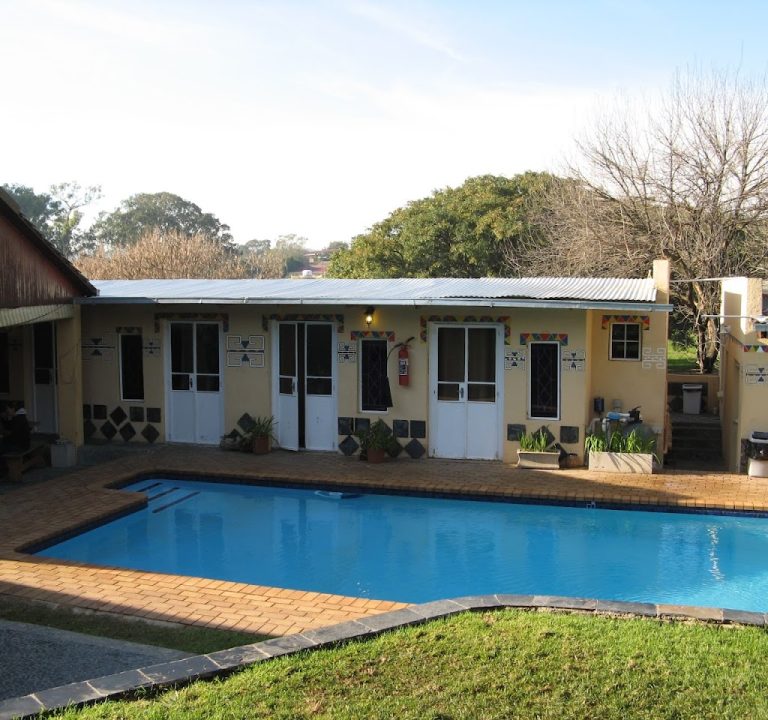
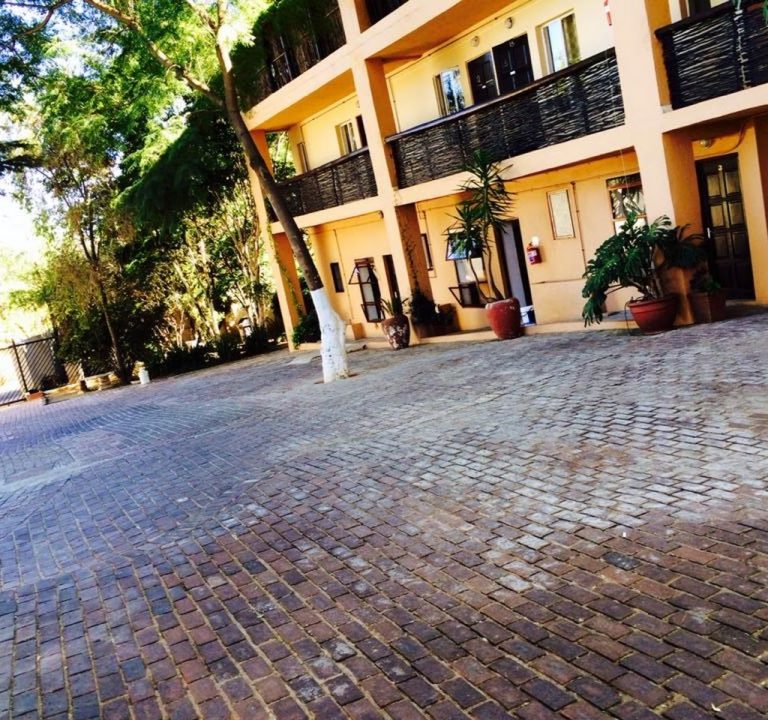
Johannesburg, or Jo’burg as many visitors call it, is a city of vibrant contrasts and practical travel realities. When planning a stay in Gauteng, a well-considered choice of neighbourhood can shape your experience as much as the accommodation itself. The city offers a range of hostels, guesthouses, hotels and lodges that cater to different budgets, from social, budget-friendly options to stylish city-centre stays. A number of well-presented options emphasise clean spaces, secure surroundings and easy access to public transport, dining scenes and cultural venues. For those seeking a sociable base, dedicated hostels and backpacker stays can provide communal areas and organised activities that help travellers connect with both locals and fellow visitors. A fitting example in this space is Sleek Hostel / Sleek Backpacker, which showcases how a compact, thoughtfully designed property can balance affordability with convenient access to the city’s highlights.
Areas to consider when choosing where to stay:
- Central districts such as the city centre and nearby neighbourhoods provide fast access to museums, galleries and the business quarter, with plenty of dining and nightlife options nearby. These areas are typically well connected by taxis, rideshare services and metro-style links.
- Neighbourhoods known for a creative or heritage vibe, offering compact streets, markets and small eateries. Staying here can be ideal for walking to cafés, boutiques and cultural venues, while remaining practical for day trips.
- Residential belts close to major transport hubs can offer calmer streets with secure parking or easy rail connections. These bases suit travellers who plan longer stays and want quieter evenings after daytime sightseeing.
- Given Johannesburg’s size, it’s worth thinking about access to the Gautrain or reliable taxi services to reach parks, gardens and larger attractions located on the outskirts.
What to look for when you book:
- Security and access: look for 24-hour reception, secure entry systems and well-lit areas, especially if you plan to return late from evenings out.
- Size and atmosphere: hostels or boutique stays often emphasise social spaces, while larger hotels may prioritise business facilities or family-friendly layouts.
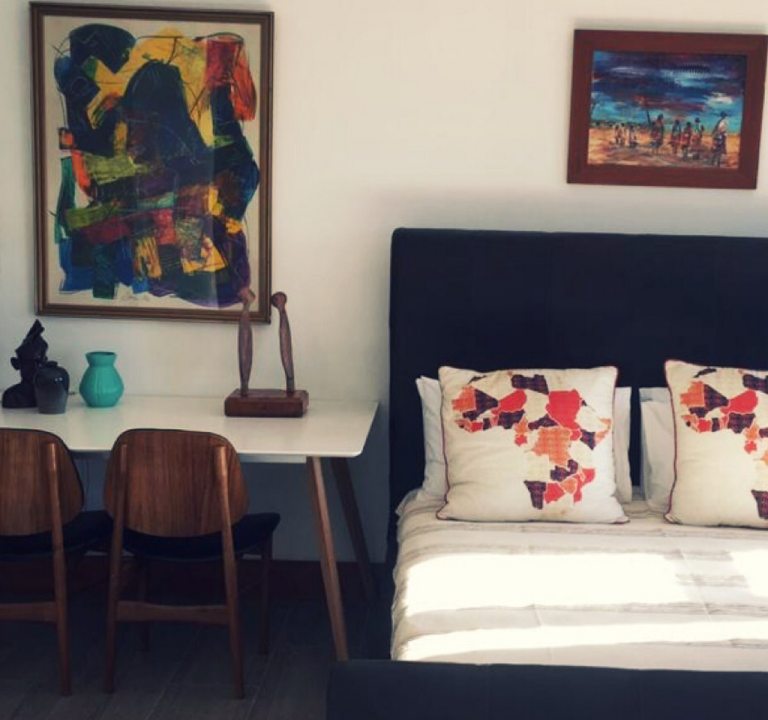
- Rooms and amenities: comfortable bedding, adequate storage, good Wi-Fi, ensuite bathrooms or clean shared facilities, and practical kitchen or lounge access can make a stay smoother.
- Location relative to your planned activities: if you are focused on museums, markets or district galleries, choose a base within walking or short transit distance to those hubs.
- Transport links: proximity to rail or bus stops, tram routes, or major taxi ranks helps reduce transit time between sights and meals.
Typical amenities you might expect:
- Reception that offers travel tips and local maps, plus help with arranging day trips or tours.
- Clean shared or private bathrooms, with regular cleaning schedules for comfort and hygiene.
- Self-catering facilities or simple on-site dining options, helpful for budget-conscious travellers.
- Guest lounges or communal kitchens, where you can meet other visitors and exchange recommendations.
- Air conditioning or fans, given Johannesburg’s warm summers and mild winters, along with reliable hot water and good ventilation.
Getting around the city and planning your days:
Public transport in and around Johannesburg includes a modern rail network, airport links and bus services, though many visitors prefer ridesharing or reputable taxi services for door-to-door convenience. If you plan day trips to Soweto, the Cradle of Humankind, or natural reserves on the city’s outskirts, consider a hotel or hostel with a known compatibility for organised tours or with helpful front-desk advice on reputable operators. It’s wise to factor extra time into travel plans, particularly when coordinating with peak-hour traffic. A mixture of self-guided exploration and guided tours can help you balance flexibility with insider context about Soweto’s historic sites, the city’s mining and cultural heritage, and contemporary urban life.
Best time to visit and practical tips:
Johannesburg experiences a temperate climate with warm summers and mild winters. The dry season, typically from May to September, tends to see clearer skies and pleasant days, which many travellers favour for outdoor activities and city walks. Rain is more common in the late summer months, so packing a lightweight rain jacket can be sensible. Practical tips include using sunglasses and sun protection during daytime sightseeing, staying hydrated, and keeping valuables secure in crowded areas. It is also prudent to check local safety guidance and to stay aware of your surroundings, especially in unfamiliar districts after dark. A modest wardrobe that suits urban exploration, with comfortable footwear for long city strolls, can help you make the most of your stay.
Dining and experiences to consider while in Johannesburg:
Across the city you’ll find a diverse food scene, reflecting South Africa’s rich culinary influences. Visitors typically enjoy a mix of modern bistros, lively eateries and traditional-style venues offering dishes inspired by regional ingredients. For a balanced programme, pair days of gallery-hopping or market visits with meals at casual cafés or refined restaurants, depending on your mood and budget. Beyond eating, you might plan visits to cultural venues, markets and public spaces that highlight Johannesburg’s artistic and historic character, while saving space in your itinerary for spontaneous discoveries or a guided tour that offers local insights into the city’s growth and communities.
For more information on accommodation and to explore a stay in a practical, well-connected base, you can visit Sleek Hostel / Sleek Backpacker’s website: https://johannesburghostel.co.za/