Johannesburg: Accommodation, Attractions and Practical Planning for Visitors
Johannesburg is a dynamic hub of culture, history and modern hospitality, offering a wide range of accommodation to suit every itinerary and budget. Whether you are drawn to boutique stays, family-friendly lodges, or stylish hotels, planning ahead helps you maximise your time in this sprawling urban landscape. A well‑located base can cut travel time and connect you with both contemporary dining scenes and heritage experiences that define the city.
When choosing where to stay, consider the character of the neighbourhood and how you plan to spend your days. If you want a fast‑paced, city‑centre feel with easy access to museums, galleries and nightlife, the northern and central clusters around Sandton, Braamfontein, and Maboneng are popular. For a more relaxed, leafy environment with convenient access to business districts and parks, Rosebank, Melrose, and Fourways offer a calmer vibe. Suburbs such as Melville are known for a young, bohemian atmosphere, while areas near parks and nature reserves provide the chance to unwind after busy days of exploration. If you’re travelling with family, look for properties with family rooms or suites, on‑site parking and comfortable communal spaces.
Typical amenities to expect inJohannesburg accommodations include reliable Wi‑Fi, secure parking or easy public transport access, in‑room mobility or accessibility features, en suite bathrooms, and often a practical workspace. Mid‑range hotels and many guesthouses frequently offer breakfast, with options ranging from continental light bites to full hot offerings. Lodges and boutique stays may present personalised service, curated local experiences, and lounge areas for socialising. If you are arriving late or departing early, check for 24‑hour reception or 24‑hour security and flexible check‑in arrangements. For longer stays, a kitchenette or a self‑catering option can be a practical touch, and some properties provide laundry facilities or laundry services.
Transport in Johannesburg is broad but planning matters. If you will rely on taxis or ride‑sharing, confirm whether the property offers a shuttle service or can arrange transfers to major hubs like the airport or railway stations. For independent explorers, staying near a metro or bus route can simplify travel between key districts. Car hire is convenient for visitors planning day trips or excursions to nearby nature reserves or shopping precincts. Remember that traffic in Johannesburg can be unpredictable, particularly during peak hours, so allow extra time between commitments.
The best time to visit Johannesburg is flexible: the city enjoys mild winters and warm summers. Spring (September to November) and autumn (March to May) bring pleasant weather for outdoor activities and sightseeing. Summer can be lively with events and markets, but occasional afternoon thunderstorms may affect outdoor plans. Winter permits cooler evenings; it’s a good time to enjoy indoor cultural venues, restaurants and shopping precincts. If you plan to combine a safari or nature day trip with a stay in the city, consider a two‑to‑three night base in Johannesburg to balance urban exploration with nature experiences nearby.
Practical planning tips to help you book and enjoy your stay:
- Book a property with clear cancellation terms and recent guest reviews to gauge value and consistency.
- Confirm accessibility and transport options, especially if you have mobility needs or are travelling with children.
- Check the neighbourhood to ensure it aligns with your safety expectations and desired atmosphere, whether you prefer lively streets or peaceful residential blocks.
- Look for flexible dining options, or a property with an in‑house or recommended restaurant, to simplify meal planning after long days.
- Consider midweek stays to take advantage of lower rates in some areas, especially outside the peak business seasons.
When it comes to attractions, Johannesburg offers a broad spectrum of experiences that can be accessed with reasonable planning. Historical and cultural highlights reflect the city’s complex past and vibrant present, with museums, galleries and memorial sites chronicling the nation’s journey. Nature lovers can combine city days with nearby parks, nature reserves and scenic viewpoints. For shopping and dining, neighbourhoods like Rosebank and Sandton offer modern malls and diverse eateries, while districts such as Maboneng and Braamfontein showcase creative streetscapes, markets and casual dining scenes. In addition to formal attractions, many visitors enjoy walking tours of well‑preserved districts to appreciate street art, architecture and local life.
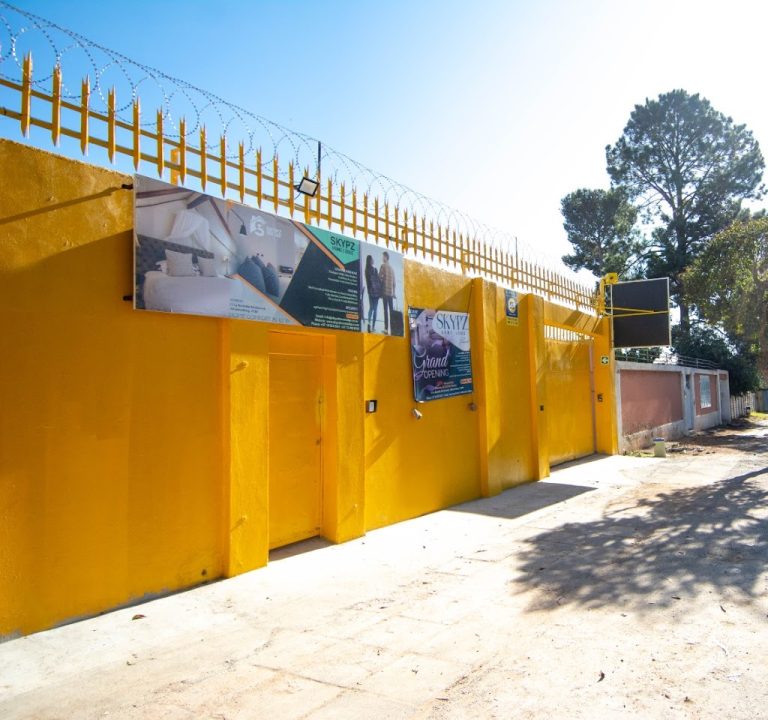
Dining in Johannesburg ranges from casual cafés to refined eateries offering international flavours and South African cuisine. When selecting restaurants, look for places with good accessibility, attentive service and clear menus. If you prefer a stay with easy access to dining options, choose accommodations located near vibrant neighbourhoods or within short rides of multiple restaurant clusters. For visitors staying at Skypz Home Lodge, the property’s location can offer a convenient base for exploring both the northern business corridor and the city’s cultural quarters, with the option to browse nearby eateries or plan day trips to nearby suburbs. Learn more at the accommodation’s website: https://www.skypzhomelodge.co.za/.
In summary, a well‑planned Johannesburg stay balances a comfortable base with active exposure to the city’s diversity. By choosing a neighbourhood that suits your pace, confirming practical transport and facilities, and planning a mix of cultural sites, markets and dining, you can enjoy a rich and rewarding visit to Gauteng’s dynamic capital.