Accommodation and Things to Do in Outer West Durban, KwaZulu-Natal
Nestled to the western edge of Durban, Outer West Durban offers a relaxed contrast to the city’s busy coast and harbour, with leafy suburbs, rolling hills and convenient access to both urban conveniences and natural beauty. When planning a stay in this area, you’ll find a range of accommodation from intimate B&Bs and guesthouses to self-catering cottages and comfortable lodges. One notable example of the region’s warm hospitality is Siyakwamukela B&B, a welcoming base that demonstrates the charm of staying in smaller, locally run properties.
Where to stay matters as much as what to do. The Outer West comprises several towns and neighbourhoods that each bring a distinct flavour. Westville offers a village-like feel with easy access to shops and parks, while Hillcrest and Kloof sit higher up in the hills, offering cooler air and scenic views. Pinetown and New Germany are practical hubs for travellers who value good links to the N3 and N2 motorways, enabling straightforward day trips to the city centre, the King Shaka International Airport corridor, and the KwaZulu-Natal inland attractions. If you prefer a quieter, more rural ambience without losing proximity to Durban’s amenities, these areas are well worth considering.
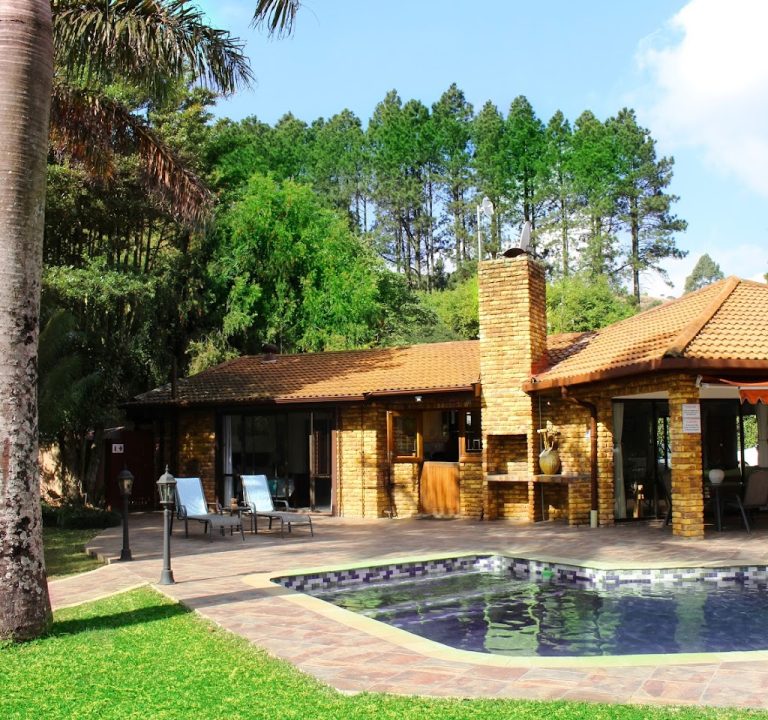
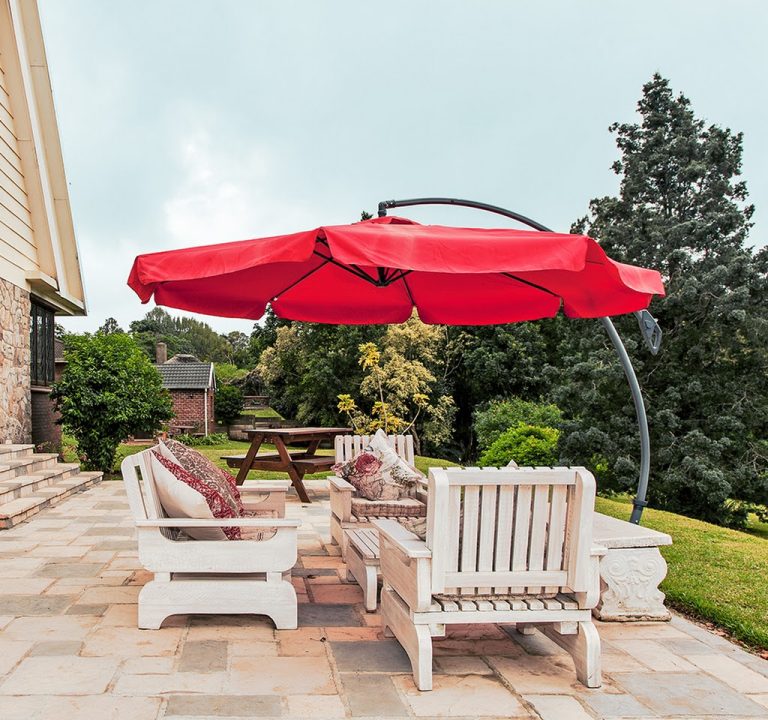
Typical amenities you can expect in Outer West accommodation include comfortable en-suite bedrooms, free Wi‑Fi, breakfast options (often included with B&B stays), and secure on-site parking. Guesthouses may provide shared living spaces, gardens or verandas for relaxing after a day of exploring, and sometimes organised local experiences. When booking, look for thoughtful touches that make your stay convenient: clear information about transport options, a map of the area, recommendations for safe walking routes, and flexible check-in arrangements. If you’re travelling with family, confirm whether kid-friendly rooms or suites are available, and whether there are facilities such as a swimming pool or outdoor play area.
Transport in Outer West Durban is generally straightforward but varies by neighbourhood. Car hire is common and often the most convenient way to explore the region, with easy access to the N3 and N2 highways for day trips along the KwaZulu-Natal coast or into the inland countryside. If you prefer not to drive, check whether your accommodation can arrange airport transfers or local taxi services, and verify the proximity to bus routes or commuter rail stations. For longer day trips, a well-planned itinerary and a map or reliable mobile data help you make the most of your time.
Best time to visit Durban and its surrounds is influenced by the climate. Durban enjoys a warm, subtropical climate, with hot, humid summers and mild, dry winters. The coast tends to be lively in the summer months with sea breezes, while the winter season can be pleasantly cooler and comfortable for exploring outdoor markets, parks and woodland trails. If you enjoy outdoor activities such as hiking, cycling or nature walks, plan your outdoor days for the cooler mornings or late afternoons, and always check local park hours and safety notices before heading out.
In terms of experiences, Outer West Durban presents a mix of tranquil nature spots, local markets, and easy access to Durban’s broader cultural and culinary scenes. While the beaches on the city’s eastern side are a draw for many visitors, the western areas shine with green spaces, tea rooms, and family-friendly eateries. You’ll find farmers’ markets, quaint cafés, and traditional South African dining options within reasonable reach, all offering a flavour of KwaZulu-Natal hospitality. Consider incorporating a coastal day into your itinerary by driving or taking a taxi to nearby beachfront suburbs, where you can combine a stroll along the promenade with a seafood lunch or a coffee stop.
Practical planning tips to help you get the most from your stay:
- Book in advance during peak holiday periods, especially if you favour a specific B&B or a hillcrest or Kloof guesthouse with excellent reviews.
- Clarify what breakfast includes and whether dietary preferences can be accommodated.
- Ask for a local map and recommendations for safe walking routes, where to find nearby supermarkets, and the best parking options at your chosen accommodation.
- Check if transport arrangements or guided local experiences are available through your host or the property’s sister services.
- Pack versatile layers for hill-country evenings and lighter clothing for daytime treks, depending on season.
For inspiration on where to start, browse reputable Durban tourism resources or regional guides that suggest a mix of outdoor activities, cultural experiences, and dining options. If you’re curious about staying in a small, warmly run B&B like Siyakwamukela B&B, you’ll often discover that the value lies not only in a comfortable room but in the personal knowledge of your hosts—who can offer personalised tips for navigating Outer West Durban and discovering hidden corners of KwaZulu-Natal. And when you’re ready to plan a day out, a local café or a family-friendly eatery nearby can be a perfect way to unwind after an afternoon of exploring or a morning walk through a hillside village or leafy suburb. For further ideas and practical planning, you can visit Durban region websites or tourism boards that showcase the wider KwaZulu-Natal coast and inland routes.