Stellenbosch: where to stay and what to do
Stellenbosch in the Western Cape blends historic charm with modern comforts, making it an ideal base for exploring the Cape Winelands. When planning a stay, consider which neighbourhood suits your pace and interests. The area around Stellenbosch town centre offers easy access to UNESCO-listed streets, wine-tasting rooms, and cafés, while the surrounding estates provide a more tranquil countryside ambience with striking vineyard views. If you are focused on wine and nature, staying near Jonkershoek or along the valley lanes can be especially rewarding. For a compact, walkable stay, look for accommodation within or close to the central town, and for scenic drives, a retreat on a wine farm or country estate is hard to beat.
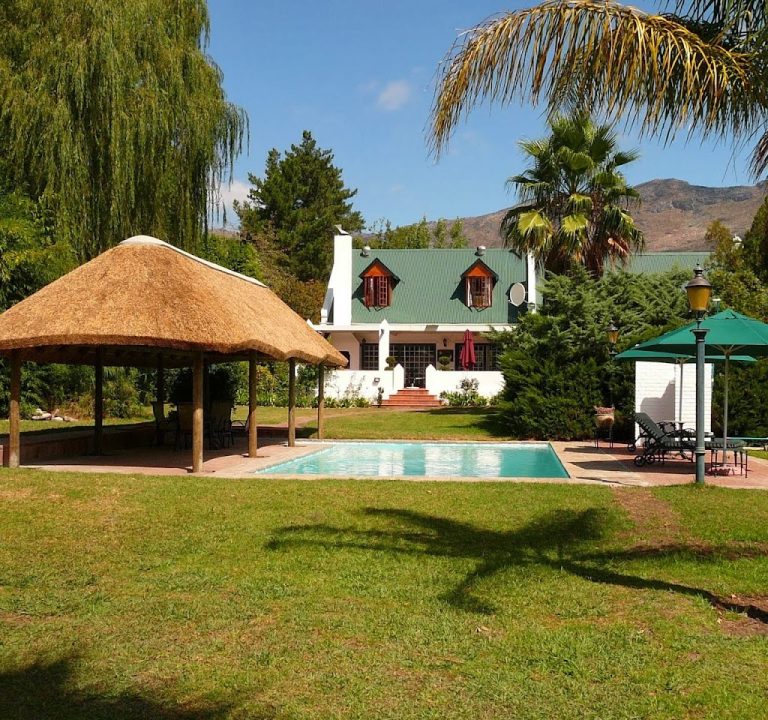
Typical accommodation in Stellenbosch ranges from boutique hotels and guesthouses to self-catering apartments and family-friendly lodges. Many properties offer a blend of heritage architecture and contemporary comforts, with features such as well-equipped kitchens or kitchenettes, private terraces or balconies, and attentive on-site staff. In town, you’ll often find refined, intimate venues with personalised service; on wine estates, expect spacious layouts, outdoor living spaces, and easy access to parks or trails. Self-catering options, such as apartments or cottages, can be particularly convenient for families or groups who want to plan meals around wine-tasting itineraries without being tied to restaurant opening times.
When booking, look for these practical details: location relative to the town centre or desired estates, parking availability, and access to public transport or taxi services. Check whether the property offers free Wi-Fi, a well-equipped kitchen, laundry facilities, safe outdoor space, and clear information about check-in procedures. If you’re touring by car, verify parking arrangements and how easy it is to navigate the surrounding roads—some winery roads can be steep or winding. For visitors prioritising sustainability, inquire about water-saving features, energy-efficient appliances, and responsible waste management policies.
Transport in Stellenbosch is relatively straightforward but individual planning helps maximise time. A vehicle offers the greatest flexibility, especially if you plan to visit multiple wine estates scattered across the valley. If you prefer not to drive, look for accommodation with easy access to a taxi or rideshare services, and identify a few central starting points for daily trips. Bicycles are popular with some guests, particularly for short hops into town or along flatter routes; if you choose a cycling-friendly stay, ensure secure storage for bikes. It’s worth noting that peak vineyard traffic can occur on Saturdays during harvest season, so planning ahead for tastings and restaurant reservations is wise.
Best time to visit Stellenbosch depends on your interests. Spring (September to November) unveils blooming gardens and vineyard freshness, while autumn (March to May) brings vibrant foliage and harvest activities. Summer (December to February) is lively with outdoor dining and markets, but can be busier; winter (June to August) is cooler and quieter, yet still charming, with cosy eateries and fireside vibes in some guesthouses and lodges.
Attractions and experiences in and around Stellenbosch are diverse. You can while away an afternoon wandering the leafy town streets, visiting historic buildings, artisanal shops, and welcoming cafés. For wine lovers, a visit to a reputable wine estate offers guided tastings and scenic vineyard viewpoints, with many estates pairing regional wines with light bites or picnics. For nature lovers, the surrounding nature reserves and the Jonkershoek Valley provide opportunities for hiking, mountain biking, and scenic drives. Families often enjoy gentle walks in botanical settings or farm-stay-style experiences that combine scenery with a relaxed pace. Culture seekers may appreciate university heritage sites and local galleries that celebrate regional art and craftsmanship. Dining ranges from casual bistros to refined tasting menus, with a focus on fresh, seasonal ingredients and farm-to-table sensibilities.
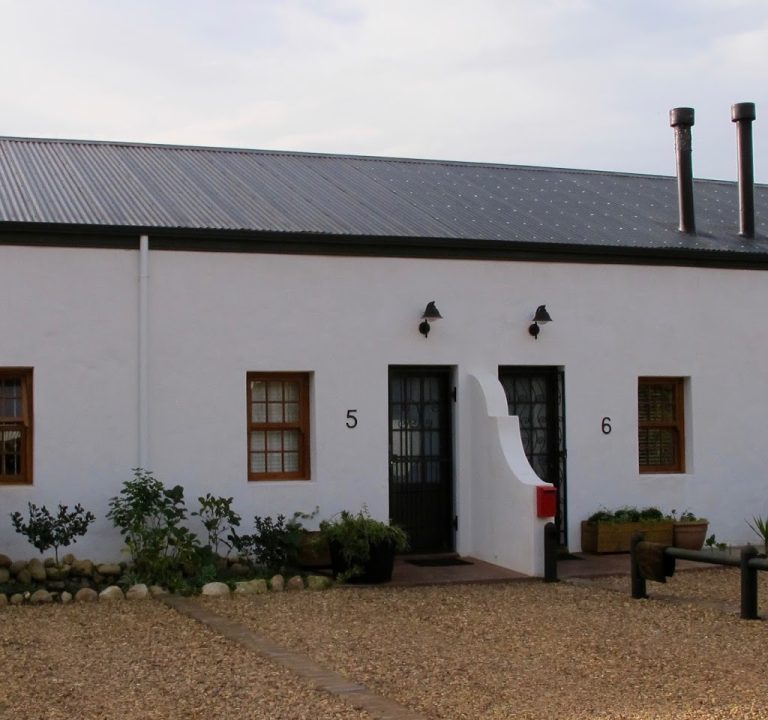
To illustrate accommodation variety, consider self-catering options such as stylish apartments or cottages situated near the town centre or on a wine farm. These properties typically feature a private kitchen or kitchenette, comfortable living spaces, and private outdoor areas. As a practical example, there are self-catering listings in central Stellenbosch that offer convenient access to both day trips and the town’s dining scene. Six @ The Barracks is one such option, framed by a heritage-inspired setting and designed for flexible stays. Visiting guests can tailor their itinerary to taste, culture, and scenery without being tied to restaurant hours or group tours.
Helpful planning checklist for a stay in Stellenbosch:
- Choose a base that aligns with your priorities: town access, vineyard proximity, or a peaceful countryside setting.
- Confirm essential amenities: kitchen facilities for self-catering, reliable Wi‑Fi, parking, and laundry options.
- Check transport plans: proximity to town, availability of taxis or rideshares, and road conditions for estate circuits.
- Consider seasonal timing: harvest periods, flower displays, and outdoor dining opportunities.
- Book tastings or dining in advance during peak seasons to secure preferred slots.
In summary, Stellenbosch offers a rich mix of accommodation styles that suit a range of travel moods—from self-catering stays with home comforts to intimate guesthouses and wine-farm retreats. By choosing the right neighbourhood, understanding the transport options, and planning around the seasonal calendar, you can enjoy a balanced visit that combines culture, cuisine, and the beauty of the Winelands.