Accommodation and Experiences in Amanda, Limpopo: Plan Your Stay with Comfort and Style
Amanda, in Limpopo, South Africa, offers a gateway to northern Africa’s wildlife-rich landscapes and a warm, welcoming hospitality scene. Visitors typically combine restful stays with easy access to iconic safari experiences, rugged scenery and a flavour of local culture. Whether you seek boutique B&B charm, lodge comfort on the edge of a wildlife reserve, or a self-catering retreat near major routes, Amanda provides options that balance relaxation with opportunities to explore the surrounding veld and savannahs.
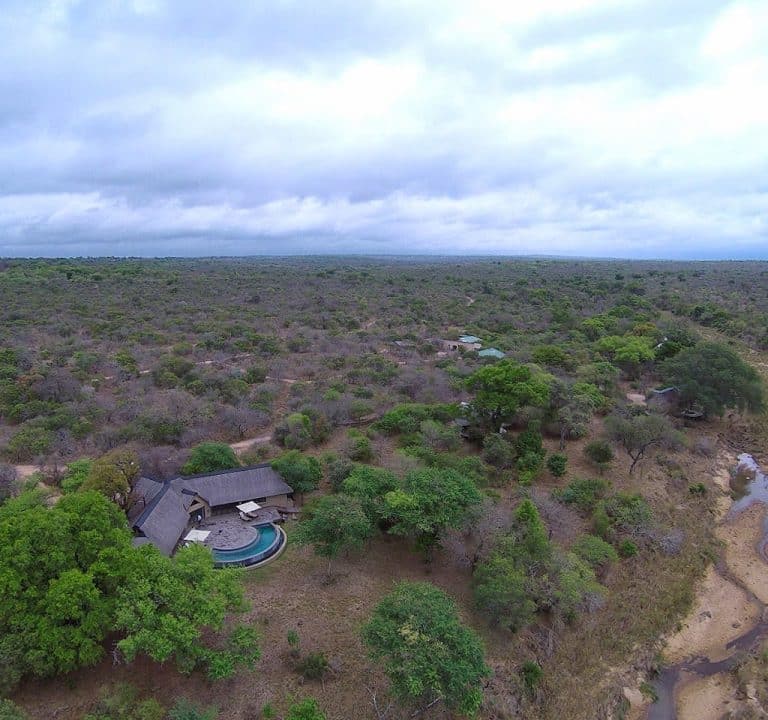
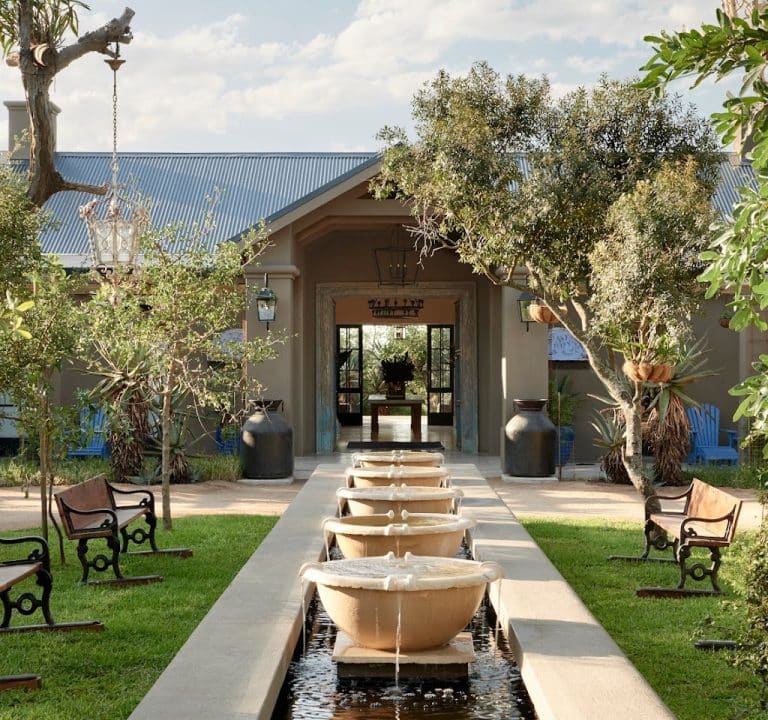
When choosing where to stay, think about proximity to key attractions, the type of safari or nature experience you want, and how you plan to move around. Many visitors base themselves near reserve gates or airstrips that connect to larger parks. If you prefer a guided wildlife focus, a lodge or safari-style guesthouse can offer resident guides, early-morning game drives, and intimate view-point experiences. For a quieter family or couple getaway, a private villa or guesthouse with a kitchen facilities and a veranda for sunset viewing can be equally rewarding. One notable option in the broader Timbavati region offers a blend of lodge-style facilities and direct access to wildlife experiences, often with on-site guides and sustainable practices. See the lodge’s website for details on amenities and experiences: http://www.siviti.com/
Accommodations in this region commonly fall into several categories:
- Game lodge and safari camp-style properties with outdoor spaces, shaded decks and near-continual wildlife soundtrack.
- Guesthouses and B&Bs that prioritise personal service, locally sourced breakfasts, and convenient access to road networks.
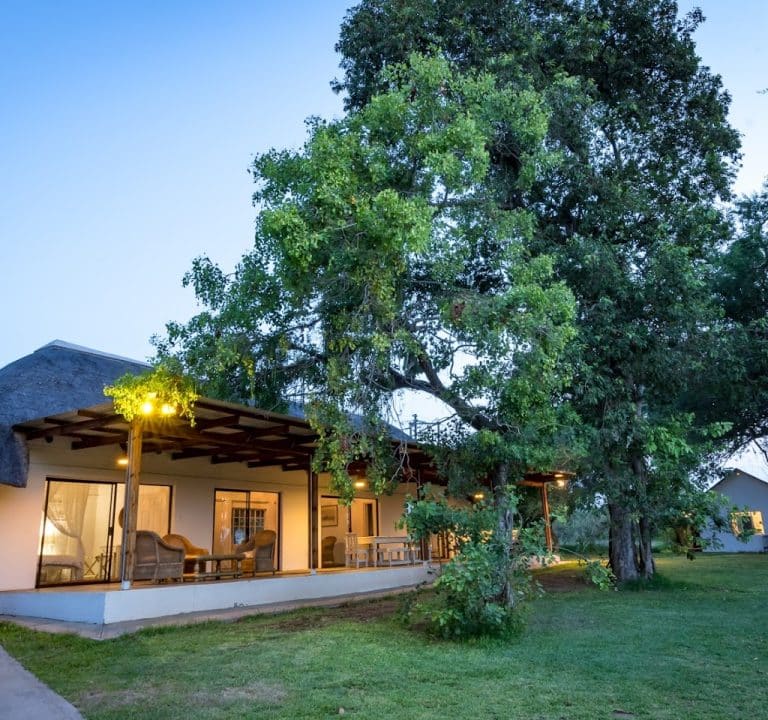
- Self-catering cottages or villas that are well-suited to families or groups seeking privacy and flexibility.
- Small hotels and inns that blend modern comfort with local character and easy dining options nearby.
What to look for when booking a stay in Amanda or the surrounding Limpopo area:
- Location relative to wildlife reserves, gates, and preferred daytime activities.
- Guided activity options, including early-morning or late-afternoon safaris, walking safaris, or birdwatching experiences.
- Amenities such as mosquito nets, air conditioning, reliable hot shower facilities, and safe storage for valuables.
- On-site dining choices, bar facilities, and whether meals are included in the rate.
- Accessibility, including road quality, parking, and proximity to essential services.
- Ethical and sustainable practices, including conservation-inspired programmes and community engagement.
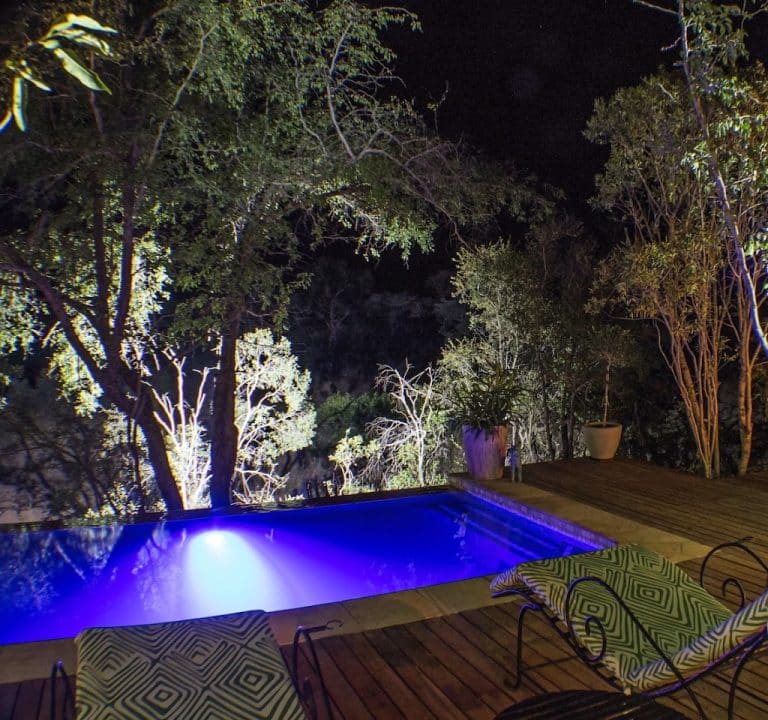
Typical amenities to expect when planning your stay include comfortable beds with quality linens, ensuite bathrooms, fans or air conditioning, electricity back-up options, and thoughtfully designed spaces for outdoor living. Many lodges offer expansive verandas, outdoor showers, or private plunge pools, especially in regions close to reserves. If you are visiting during peak safari season, consider properties that provide early access to game drives and a hot breakfast to fuel your day of exploration.
Transport and getting around is straightforward for most visitors. Self-drive is popular for its flexibility, with well-maintained secondary roads linking towns and reserves. If you are flying, look for regional airstrips or air-based itineraries that connect to the Kruger-to-be region with short road transfers. Car hire is commonly available at major hubs, and some lodges arrange private transfers from airports or towns. When planning, factor time for crossing reserve gates and potential wildlife slowdowns; keeping flexible with your start times can reduce stress and add to the safari cadence.
The best time to visit Amanda and the Limpopo region depends on your interests. Dry winter months (roughly May to August) offer excellent wildlife viewing as animals congregate around water sources and vegetation is thinner. It’s also a period with cooler mornings and pleasant daytime temperatures, ideal for long game drives. The rainy season (around November to March) brings lush landscapes, vibrant birdlife and dramatic afternoon storms, but some areas may be more challenging to navigate during heavy rainfall. If malaria is a concern, consult your chosen accommodation about prophylaxis and measures; many lodges provide guidance and have amplified prevention strategies in place during the wetter months.
Practical planning tips for a smoother stay:
- Book early to secure rooms in sought-after properties, especially those near well-known reserves and wildlife wards.
- Clarify what experiences are included in the rate and what incurs additional charges, such as guided drives or bush walks.
- Confirm meal arrangements, dietary options, and any seasonal changes to menus.
- Ask about power supply reliability and emergency backup, particularly if you’ll be in areas with intermittent electricity.
- Pack light, breathable clothing in neutral colours for safaris, sturdy footwear, sun protection, and a good pair of binoculars if you own them.
Amanda offers a gateway to a memorable blend of wilderness, comfort and culture. For those seeking a balanced stay, consider a property that combines wildlife experiences with thoughtful guest service, comfortable accommodation, and a sense of place. After a day in the bush, a simple dinner, a starlit sky, and the murmur of the savannah can be a quintessential part of the Limpopo experience. For more information or to explore specific properties and itineraries in the Siviti Timbavati Plains area, you can visit the recommended lodge site: http://www.siviti.com/