Cape Town: Accommodation, Attractions and Planning Your Stay
Cape Town blends dramatic natural scenery with a vibrant urban scene, making it a top destination for travellers seeking a well‑rounded break. When planning where to stay, think about access to natural scenery, ease of transport, and the rhythm of the neighbourhood. The city spans several distinct precincts, each offering a different flavour—from the harbour breeze of the V&A Waterfront to the mountain-lit hills of the City Bowl and the beachside charm of Camps Bay. A well‑chosen base can cut travel time, maximise your time on attractions, and help you enjoy evenings in markets, cafés and fine dining without exhausting daily commutes.
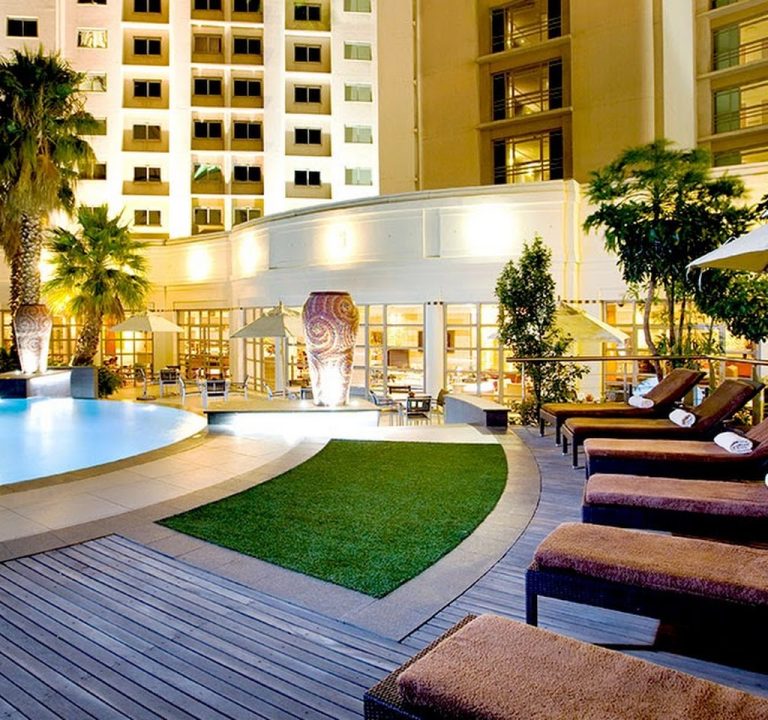
Accommodation options in Cape Town range from contemporary hotels to boutique guesthouses and serviced apartments. One example in the Waterfront area is the Signature Lux Hotel by ONOMO, which provides a pragmatic combination of comfort, accessibility and proximity to major sights. For those who value design and convenience, such properties often offer stylish rooms, reliable housekeeping, on‑site dining, and convenient reception desks for arranging tours or local tips. When selecting a base, consider the following aspects to ensure a smooth stay.
Neighbourhoods to consider include:
- City Bowl and Central Business District: within easy reach of galleries, markets and the Cable Car to Table Mountain, with a mix of historic streets and modern eateries.
- V&A Waterfront: water‑side ambience, easy harbour access, and a compact set of shops and dining options; suitable for travellers who value walkability and a lively atmosphere.
- Green Point and Sea Point: ocean views, promenade walks, and a relaxed, cosmopolitan vibe with quick links to the City Bowl and the Atlantic coast.
- Camps Bay and Clifton: stylish coastal pockets with premium beaches and sunset scenes, best suited for guests prioritising sea views and resort‑like amenities.
- Southern Suburbs and Constantia: easy access to wine estates, gardens and hillside routes for day trips, ideal for a slower pace and family stays.
When you book, look for practical amenities that save time and reduce friction. Prioritise reliable Wi‑Fi, air conditioning or good ventilation, a daily cleaning service, a well‑equipped kitchenette or coffee station if you plan to self‑cater, and a comfortable desk if you need to work remotely. A welcoming lounge or outdoor space can be a real bonus after a day of sightseeing, and secure parking or easy access to public transport helps with planning long drives or day trips.
Transport in Cape Town is varied. The city is spread out, and while Uber and ride‑hailing services operate widely, many travellers also enjoy the freedom of a rental car for exploring the Cape Peninsula and winelands at their own pace. If you prefer avoiding long drives, consider staying closer to the Waterfront or City Bowl, where taxis, rideshares and reliable local buses are plentiful. If you plan to visit Cape Point and the Cape Winelands, a well‑planned day trip or a guided tour can make the experience less exhausting than navigating on your own.
The best time to visit Cape Town depends on what you want from your trip. The peak tourist season runs from late spring to early autumn, when conditions are mild and coastal days are plentiful. Winter months bring cooler weather and more chance of rain, which can be ideal for exploring museums and markets without crowds. Spring and autumn can offer a balance of pleasant temperatures and quieter streets, which is perfect for long walks, photography, and outdoor markets.
When planning a stay, think about your daily rhythm. A typical day might begin with a sunrise walk or cable‑car ascent to Table Mountain, followed by a coffee stop in a neighbourhood café and a late morning exploration of markets or museums. Lunch could be waterfront or within a historic district, then a scenic drive along the Atlantic coast or a harbour cruise in the afternoon. Evenings can be spent at a chef‑led bistro, a cellar‑door wine pairing, or a sunset drink with views over the sea. The city’s restaurant scene covers everything from casual eateries to fine dining, with many venues offering seasonal menus and locally sourced ingredients—ideal for travellers who enjoy regional flavours without committing to long restaurant queues every night.
Accommodations in Cape Town commonly provide access to a range of guest‑friendly services. Expect daily housekeeping, reception staff who can help with itinerary planning or bookings for activities, and sometimes concierge services to organise guided hikes, boat trips, or private tours. Some properties feature on‑site gyms, spas, or pools, while others partner with local operators to offer curated experiences—such as scenic drives around the peninsula, visits to wine estates, or guided tours of historic neighbourhoods. If you intend to visit nearby attractions, it can be helpful to choose a hotel that offers reliable connections to popular routes or has partnerships with reputable tour operators.
Restaurant and activity ideas are plentiful, but you don’t need to pin down every detail before you depart. Cape Town thrives on flexibility: you can combine a few well‑planned experiences with spontaneous discoveries. For day trips, consider converting a morning into a scenic drive to the Atlantic coast, a harbour cruise, or a guided walk through a cultural district. For dining, allow time to explore a neighbourhood’s food scene—many areas host casual cafés by day and buzzy bistros by night, with menus that highlight coastal produce, local wines, and contemporary takes on traditional flavours.
Website note: if you wish to explore an example property’s current details, you can visit the Signature Lux Hotel by ONOMO website at http://www.signatureluxhotels.com/.