Staying in Pretoria: a guide to accommodation, neighbourhoods, and things to do
Pretoria, the administrative capital of South Africa, offers a diverse range of places to stay, from intimate guesthouses and self‑catering lodges to stylish hotels and modern apartments. When planning a visit to Gauteng’s capital, consider what you want most from your trip—quiet neighbourhood charm, easy access to business districts, or proximity to key attractions. A well‑chosen base can dramatically improve your experience, cutting down transit time and letting you enjoy the city at a comfortable pace.
Areas to consider:
- Arcadia and Sunnyside: Central, with a mix of boutique stays and convenient access to embassies, eateries, and cultural sites. A good choice if you prefer walkable areas and quick commutes to the city’s southern and northern corridors.
- Hatfield and Brooklyn: Popular with visitors who want a lively dining scene, cafés, and easy access to the Gautrain station for day trips to Johannesburg or other parts of Gauteng.
- Waterkloof and contour suburbs: Quiet, leafy streets, higher‑end guesthouses and self‑catering lodges, often with generous gardens and excellent security, ideal for travellers seeking a relaxed, low‑key stay.
- Centre and business districts: Great for business trips or short stays, with hotels and serviced apartments located within easy reach of government offices and corporate hubs.
What to look for when booking your accommodation:
- Noise and privacy: Check room layouts, garden or street noise, and whether the property has quiet hours if you plan early starts or late evenings.
- Self‑catering vs. full service: Decide whether you want a kitchen or kitchenette, or if you prefer a hotel or B&B with breakfast included and on‑site dining options.
- Security and access: Look for secure parking, controlled access, and well‑lit surroundings, particularly if you’ll be returning late from outings.
- Transport links: Proximity to main roads, taxis, and public transport, such as the Gautrain or local bus services, can save time during your stay.
- Amenities: Wi‑Fi quality, air conditioning, parking, and laundry facilities are especially important for longer breaks or family travel.
Typical amenities you might encounter include a well‑equipped kitchen or kitchenette, private outdoor spaces, clean and comfortable bedding, daily or weekly housekeeping, and a friendly, locally informed host or concierge. In self‑catering options, read the guest reviews to gauge how well the space is stocked and how easy it is to prepare meals. For shorter stays, consider properties that offer flexible check‑in and check‑out times, and clear guidance on nearby shops and eateries.
Transport and getting around:
Pretoria is well served by road networks and rail connections. If you plan day trips to nearby attractions or natural reserves, a car can be convenient, but many areas are accessible by rideshare or taxi services. When booking, check if the accommodation offers secure parking or has partnerships with trusted transport providers. Some guests enjoy leveraging nearby Gautrain stations for quick access to Johannesburg’s northern suburbs and beyond. If you prefer not to drive, choose a property near Walkable neighbourhoods or near public transport hubs to simplify your itinerary.
Best time to visit Pretoria:
Pretoria enjoys a temperate climate with hot summers and mild winters. The city typically experiences its peak heat from late spring into summer, so the cooler months (autumn and winter) can be pleasant for sightseeing, while spring brings colourful gardens and blooming jacarandas. If you plan outdoor activities, consider mornings or late afternoons in the heat of summer and book welcoming, shaded spaces for breaks. For cultural and historical experiences, booking ahead during school holidays and long weekends can help secure preferred accommodation and easier access to popular sites.
Attractions and experiences to consider during your stay—without tying yourself to fixed itineraries:
- Iconic viewpoints and monuments that reflect South Africa’s history and architecture.
- Universities, museums, and galleries that showcase both local art and national heritage.
- City parks and botanical spaces where you can relax, walk, or picnic.
- Neighbourhood markets and casual dining districts offering a range of local and international cuisines.
- Guided half‑ or full‑day tours that cover Pretoria’s key sites and nearby natural attractions.
Dining and nightlife tend to be casual and varied, with options ranging from modern bistros to traditional eateries. In many areas, trendy cafés sit alongside long‑standing eateries, offering everything from light breakfasts to hearty dinners. When planning reservations, consider balancing popular spots with quieter alternatives to avoid long queues, especially during weekends or festival periods.
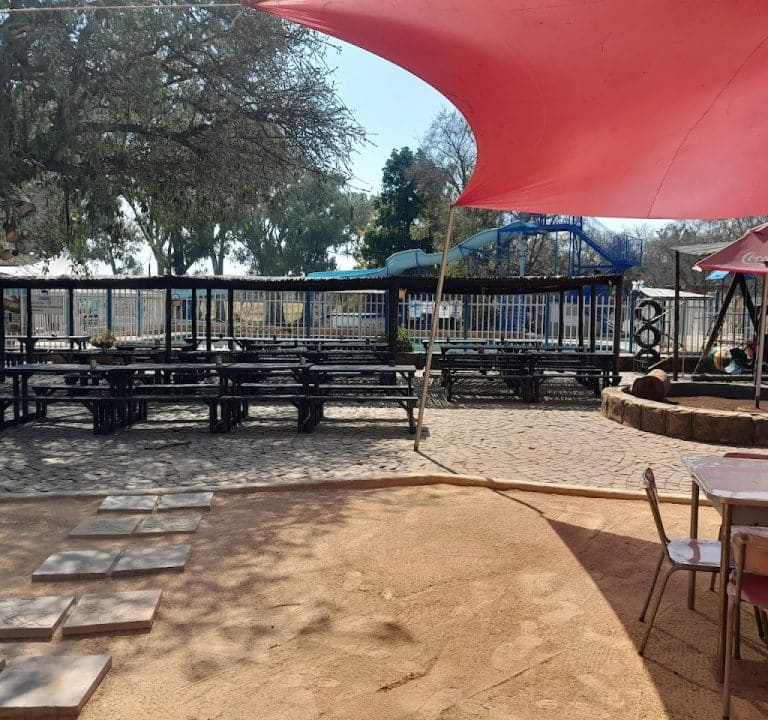
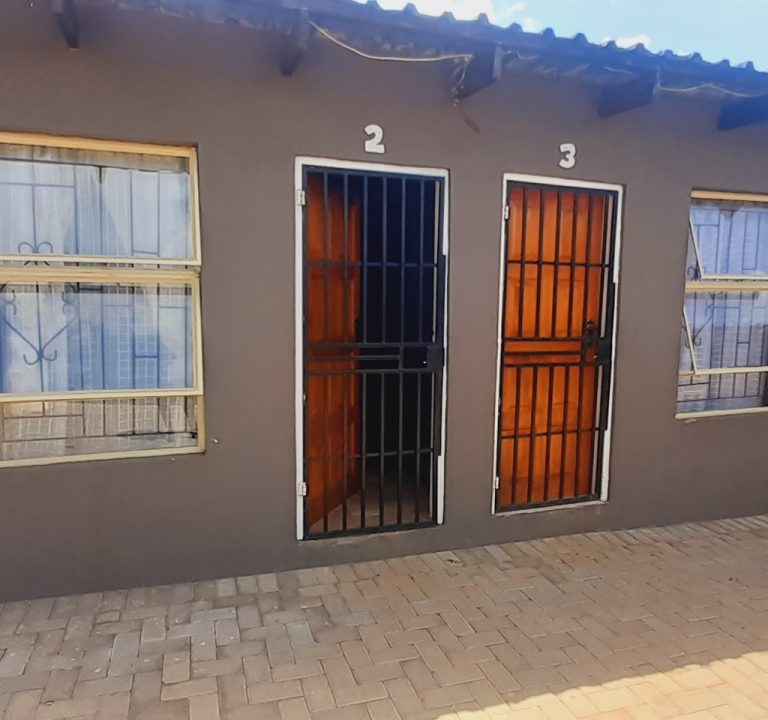
One example of accommodation in the city is Siba’s Lifestyle Lodge, a self‑catering option that emphasises a homely feel and practical privacy for guests. For those curious about this type of stay, the lodge provides a convenient base for exploring Pretoria while enjoying the flexibility of self‑catering facilities. More information can be found on its website at http://sibaslifestylelodge.co.za/.
Practical tips for a smooth stay:
- Request a fuel map or city guide from your host to optimise your route for day trips and avoid peak‑hour traffic.
- Pack flexible outfits for variable weather and comfortable walking shoes for urban exploration.
- Carry a small card with the accommodation’s address and a simple map to share with drivers or locals if needed.
- Respect local regulations and cultural norms, particularly around security and noise in residential areas.
With thoughtful planning, Pretoria offers comfortable stays, welcoming neighbourhoods, and a host of experiences that showcase Gauteng’s energy and charm. Whether you prefer a private self‑catering lodge or a central hotel base, you’ll find options that suit your pace and interests, making for a memorable South African stay.