Accommodation and experiences in Kuruman, Northern Cape
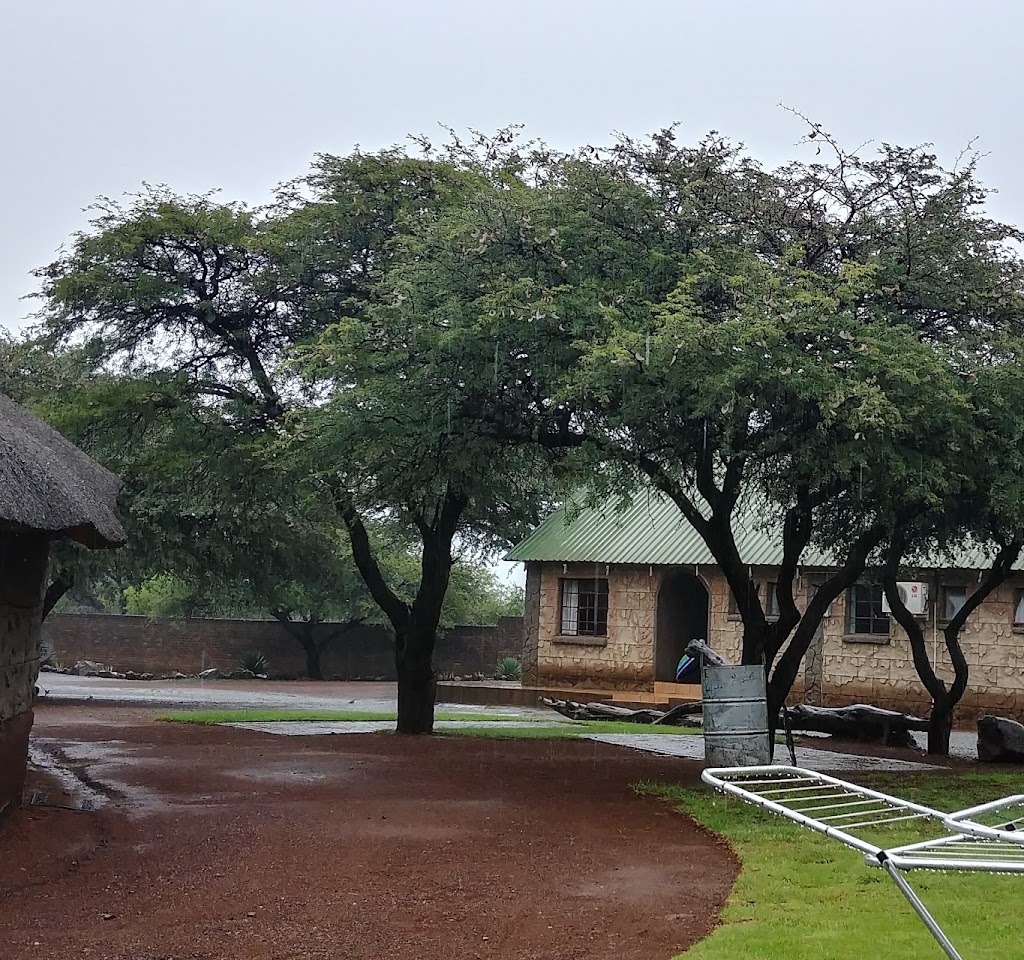
Kuruman sits in the Northern Cape as a gateway to the Kalahari landscape, offering a mix of comfortable lodges, guesthouses and family-friendly stays that suit both short breaks and longer explorations. When planning a stay, consider the area you want to explore most—the town centre for convenient access to shops and services, or the surrounding rural routes for a quieter, nature-forward experience. In Kuruman you’ll find lodges and guesthouses that range from compact, homely digs to more expansive properties with guest facilities, gardens and outdoor spaces designed for travellers who like a slower pace after a day of exploring the region.
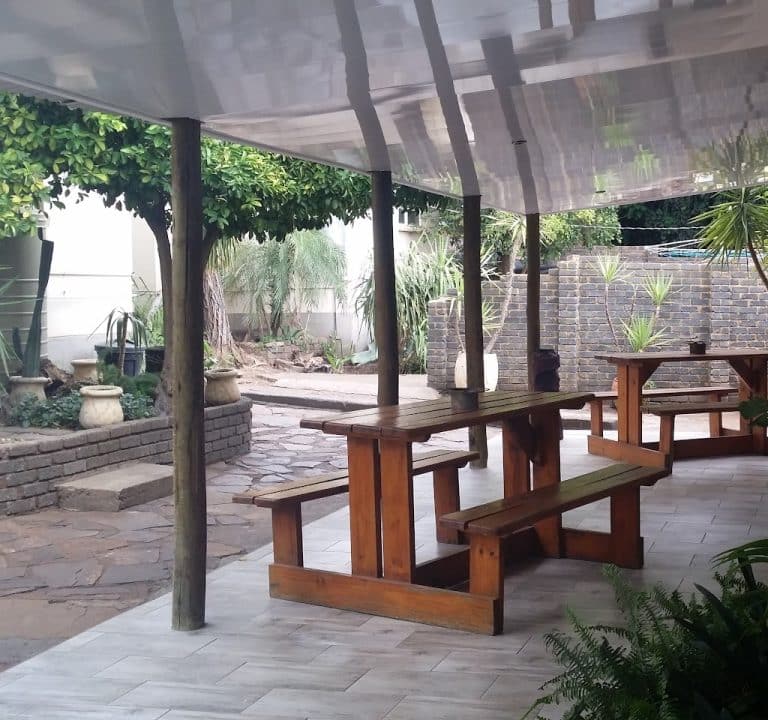
Typical accommodation options you might encounter include self-catering cottages, lodge rooms with included meals, and modest B&B-style rooms. When choosing where to stay, think about access to transport, proximity to the attractions you wish to visit, and the level of service you prefer. Some properties may offer guided sunset drives or organised excursions, while others operate on a more independent, self-catering basis. Look for clear information about parking, Wi‑Fi, and whether the site has shaded outdoor areas, a pool, or braai (barbecue) facilities—common inclusions that can make a difference in hot climates.
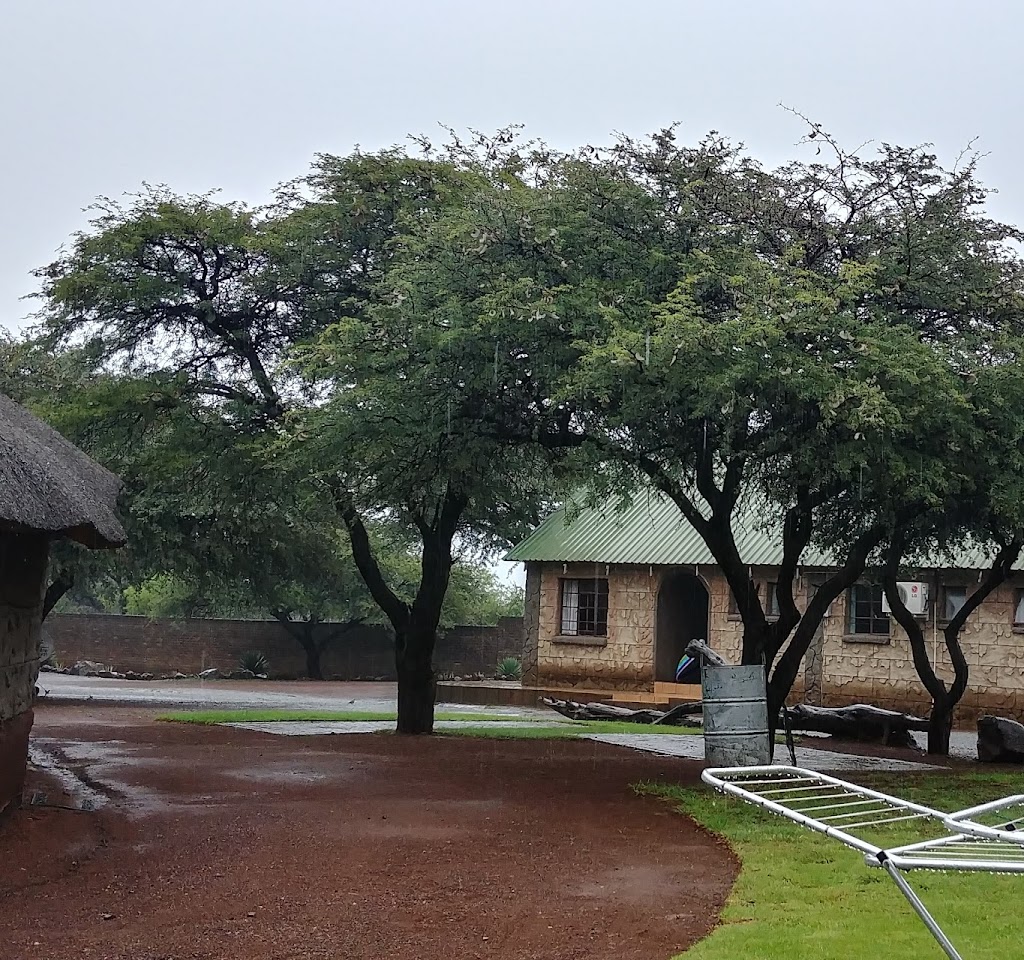
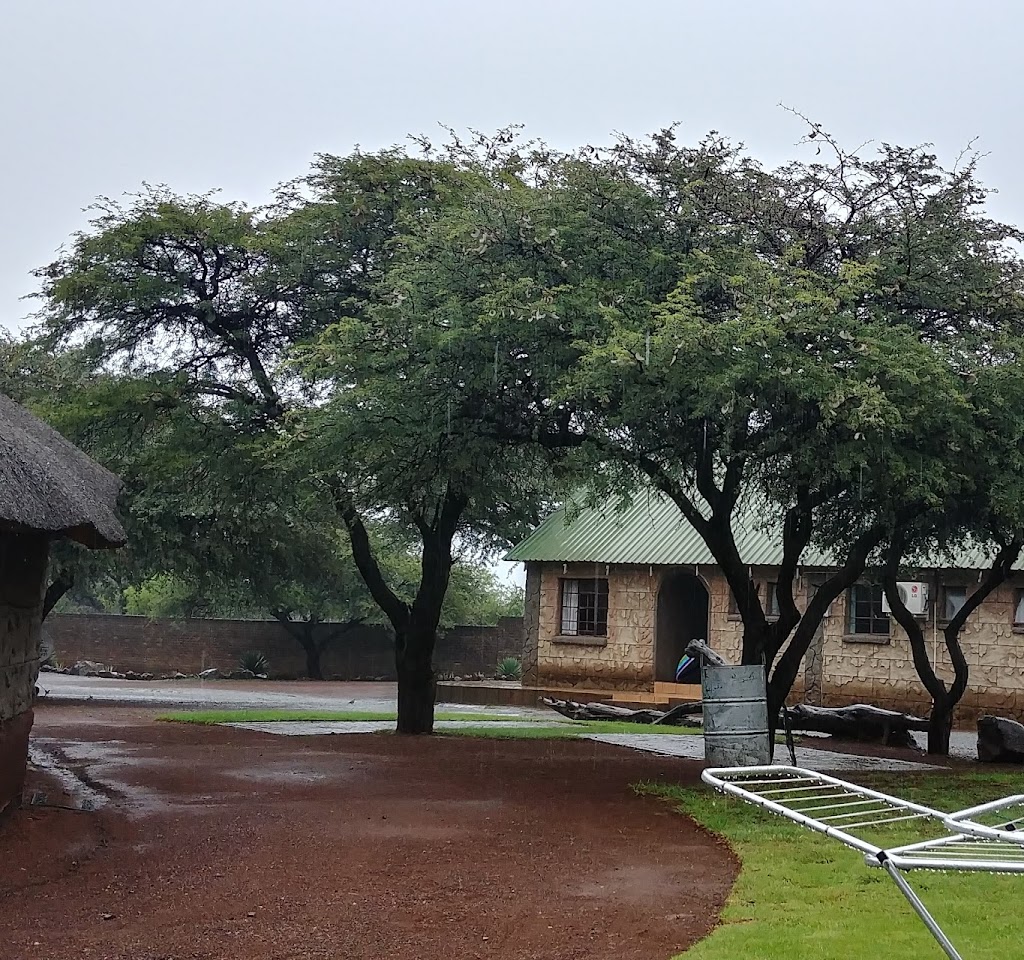
Shomer notes aside, a well-located lodge like Shomatobe Lodge, if applicable in your itinerary, can exemplify the kind of comfortable, staff-friendly stay many visitors appreciate: a calm base with easy access to streetside amenities and to the surrounding countryside. For all lodging choices, verify what is included in the rate, such as breakfast options, daily housekeeping, or 24-hour reception. If you’re travelling with family or a larger group, enquire about family rooms or apartment-style units that provide flexible sleeping arrangements and kitchen facilities.
Transport in and around Kuruman is typically easiest with a rental car. The town is served by road connections to surrounding towns and rural routes, and a car will give you the freedom to explore at your own pace. If you arrive by plane, the nearest major hubs with regular flights are usually Kimberley or Upington, from which you can hire a car for the onward journey. In peak season, plan for possible traffic around popular viewpoints and market areas, and pre-book any in-demand activities or restaurant reservations where possible.
What to look for when booking a stay in Kuruman:
- Quiet rooms and good insulation for night-time comfort during winter or warm evenings in summer.
- Shade and outdoor spaces for daytime relaxation and braai facilities for social meals.
- On-site parking, secure access, and easy street-level entry if mobility is a consideration.
- Clear cancellation policies and transparent pricing, including any local taxes or service charges.
- Accessible information about nearby groceries, eateries, and essential services.
Typical amenities you can expect in many Kuruman properties include air conditioning or fans, clean en-suite bathrooms, comfortable bedding, tea and coffee provisions, and Wi‑Fi access with varying speeds. Some lodges incorporate shared lounges, dining areas, and gardens where guests can relax after a day of exploring. For families, look for child-friendly spaces, safe outdoor areas, and options for early or late meals. If you travel with pets, confirm pet policies in advance, as not all places accommodate animals.
Best time to visit Kuruman is closely tied to weather patterns. The region experiences hot summers, with milder, pleasant winters. Spring and autumn can be particularly enjoyable for outdoor activities, with cooler mornings and warm days suitable for day trips into the surrounding landscapes. If your itinerary includes longer outdoor excursions, plan for the heat of midday, carry water, and wear sun protection. The winter evenings can be quite cool, so packing a light jumper is sensible even if daytime temperatures are comfortable.
Attractions and experiences in and around Kuruman generally focus on the natural environment, local history and community life. Visitors often begin with a stroll around the town to observe daily activity, then venture to nearby viewpoints or nature reserves to enjoy panoramic desert and savannah scenery. Cultural insights, markets or artisan showcases offer a flavour of local life, and guided nature walks or short drives to nearby landscapes can provide a sense of the wider region. Dining in Kuruman tends toward straightforward, robust fare with local flavours; many lodges and guesthouses either provide meals or recommend nearby eateries where guests can sample regional dishes.
Practical tips for a smooth stay: arrive with a flexible plan that allows time for small discoveries between travel legs, and book in advance for accommodation during peak periods or holiday weekends. Bring sun protection, a wide-brimmed hat, and sufficient water for day trips, especially in hotter months. If you’re visiting during a busy period or festival season, allow extra travel time and consider modest, comfortable footwear suitable for uneven paths or gravel roads. For a deeper experience, speak with your host or lodge staff about local routes, viewpoints and wildlife or nature experiences that align with your interests.
In short, Kuruman offers a practical base for exploring the Northern Cape’s landscapes, with a range of accommodation styles that cater to different budgets and travel preferences. By selecting a well-situated lodge or guesthouse, planning ahead for transport, and staying flexible about daily itineraries, you’ll be able to enjoy restful stays, satisfying meals and the region’s characteristic wide-open skies and quiet charms.