Accommodation and Experiences in Wilderness, Western Cape
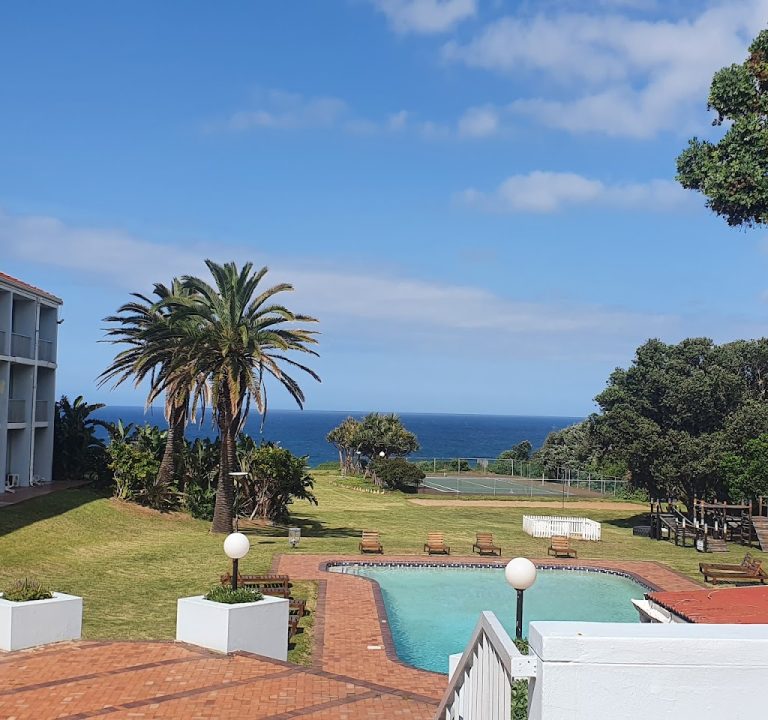
Wilderness sits along the iconic Garden Route, where forest-lined shores meet kilometres of sandy beaches and tranquil estuaries. It is a destination that rewards visitors with a relaxed pace, natural beauty and a range of accommodation that suits both short breaks and longer getaways. When planning a stay, consider the different micro-areas within Wilderness—the coastal strip for easy beach access, the river and estuary neighbourhoods for calmer waters and family-friendly walks, and the forest fringe where accommodation often offers a more secluded, nature-forward experience.
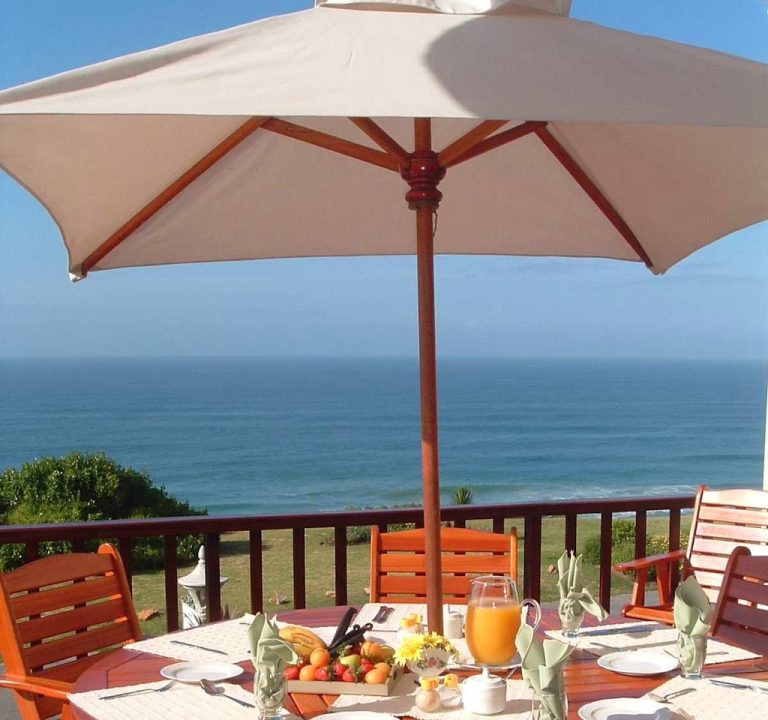
Shining Waters Guest House is one example of the type of guest house you might encounter in Wilderness: a comfortable, intimate option that blends guest room privacy with communal spaces for socialising or simply unwinding after a day of exploring. When choosing a place to stay, think about what matters most to you—proximity to the beach, ease of access to the town’s cafés and markets, or a rural-quiet ambience with nature on your doorstep. Booking platforms and guest-house websites often highlight room types, self-catering facilities, and parking arrangements, all of which can influence the rhythm of your visit.
Typical amenities to look for include private balconies or patios with sea or forest views, reliable Wi‑Fi for check-ins or planning day trips, secure parking, and flexible breakfast options. Some properties offer self-catering or kitchenettes, which can be convenient for families or longer stays. If you rely on a vehicle, confirm parking arrangements and the ease of access to main roads; if you prefer to leave the car behind, check whether the property is within easy walking distance of restaurants and beaches. A quiet, well-maintained property with clear house rules and guest information will help you maximise your time in and around Wilderness.
Transport for a Wilderness visit is typically easiest by car, especially if you plan to explore beyond the village to forest trails, dune beaches, and nearby towns along the Garden Route. Public transport is limited in some parts, so travellers who like the freedom to set their own pace often choose a hire car or organised day trips. It's worth discussing arrival and departure logistics with your host or accommodation provider—many offer helpful local tips, maps, and suggested self-guided routes that highlight short walks, viewpoints, and circular trails suited to different fitness levels.
The best time to visit Wilderness largely aligns with the South African spring and summer months, from September to April, when milder days and longer daylight hours make outdoor activities delightful. Winter, from May to August, can be cooler and wetter, but it also offers dramatic skies, quieter beaches, and excellent opportunities for birdwatching and coastal walks. Pack layers, good waterproof footwear, and sun protection year-round, and check local forecasts before longer hikes or beach activities.
When planning activities, Wilderness offers a blend of nature-based outings and low-key cultural experiences. Expect days of beach walks, estuary kayaking or stand‑up paddleboarding, forest hikes withmarked trails, and possibilities for wildlife observation in protected areas nearby. For a relaxed day, you can combine a riverside stroll with a stop at a cafe or restaurant along the coast, sampling fresh seafood, locally produced produce, or simply enjoying a first‑hand sense of the town’s laid‑back mood. It is worth noting that guided walks and boat trips are commonly available through local operators, with itineraries that suit families, couples, or solo travellers.
Dining in Wilderness ranges from casual beachside cafés to more refined bistros and farm-to-table concepts. Menus often focus on seasonal ingredients, with options for light lunches, hearty dinners, and lighter snacks between activities. When choosing where to eat, consider proximity to your accommodation to minimise driving after a day out. Reservations are a sensible precaution during peak season or weekends, and many venues publish sample menus or daily specials on their websites or social pages.
Other practical considerations for a successful stay include staying hydrated during outdoor activities, applying sun protection, and respecting local nature reserves and dune landscapes. A moment to review beach safety guidelines, tide times, and potential wildlife regulations will enhance responsible travel. If you are visiting with children, plan for shaded rest breaks, playground stops, and regular snack moments, as Wilderness is a place that invites relaxed pace and spontaneous discoveries rather than rushed itineraries.
To help you plan, here are a few tips:
- Book accommodation with flexible cancellation policies, especially if your plans depend on weather or travel changes.
- Check whether your host can arrange airport transfers, on‑site parking, or expert local advice for day trips.
- Look for properties that provide clear guest information, including suggested walking routes, safety tips, and nearby amenities.
- Consider accommodation near the beach if you value early morning strolls, or near the river if you prefer calmer waters and wildlife watching.
Whether you choose a cosy guest house in the village, a guest-friendly retreat close to the dunes, or a forest-edge stay with easy access to nature trails, Wilderness offers a crafted mix of rest and activity. With careful planning—taking into account area, amenities, transport, and seasonal conditions—you can enjoy a well-balanced stay that makes the most of this part of the Western Cape. For the best start, review recent guest reviews, verify what is included in breakfast or self-catering options, and map out a sensible sequence of beach, forest, and town experiences to create a memorable Wilderness escape.