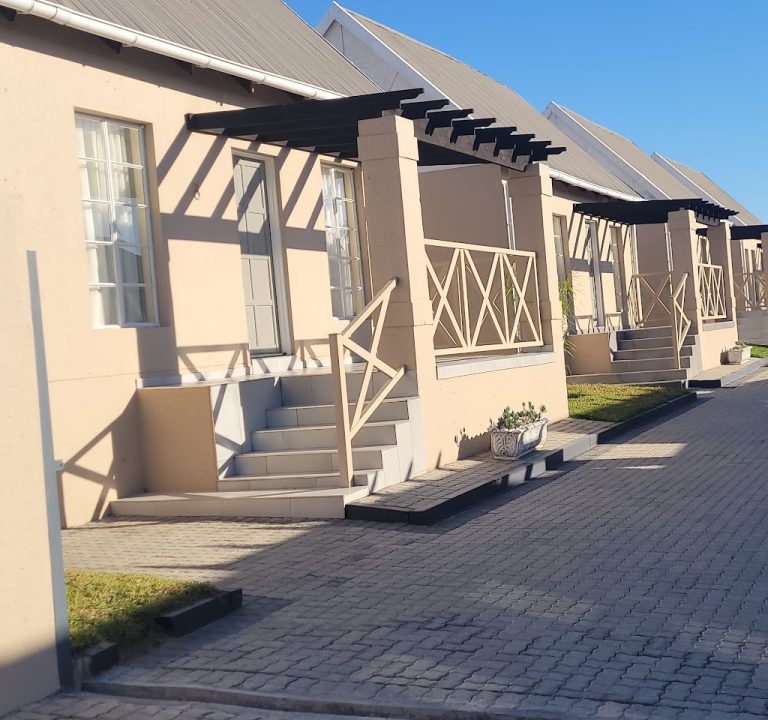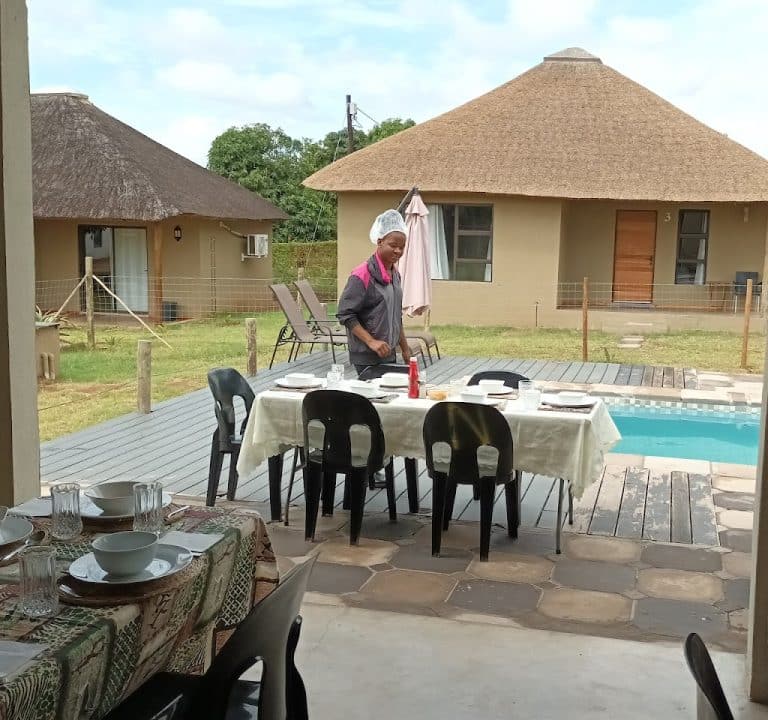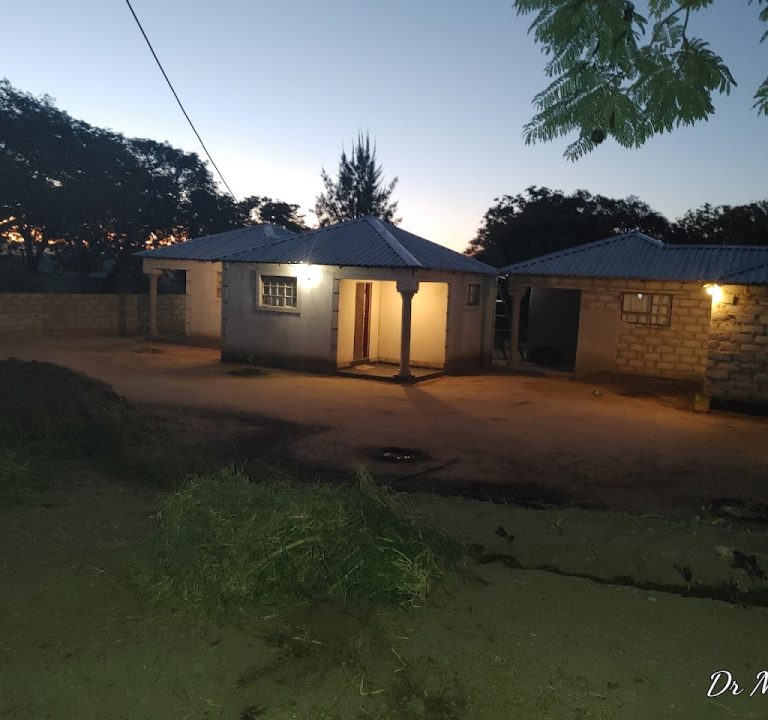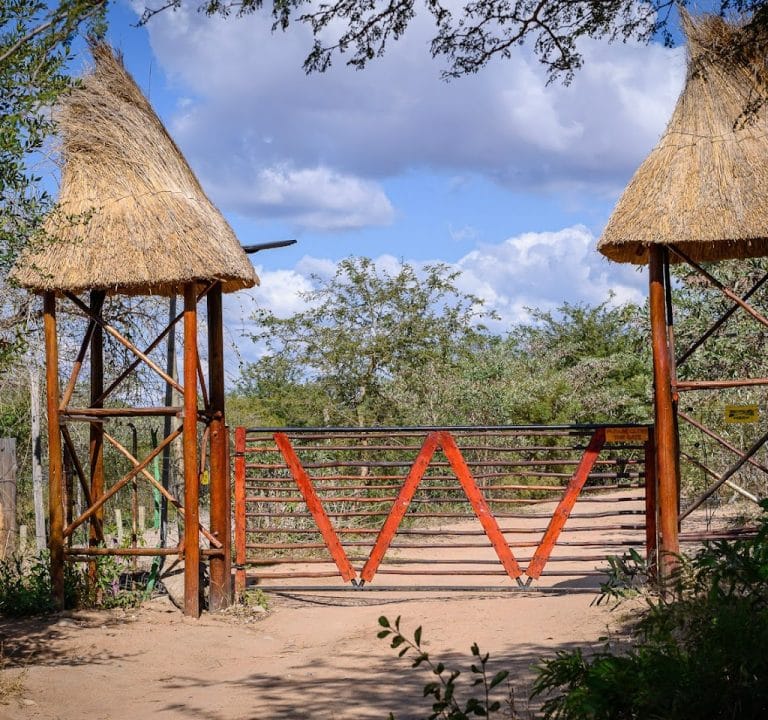
Shik Shack Backpackers is a Attractions establishment in Acornhoek, Mpumalanga, South Africa
About Shik Shack Backpackers: An Authentic Eco Village Experience in Acornhoek
Shik Shack Backpackers sits in the heart of Mpumalanga, South Africa, рамming the journey between the iconic Kruger National Park and the awe-inspiring Panorama Route. The property presents more than a place to rest; it offers a gateway to rural Africa, combining grassroots village tourism with the best of Lowveld adventures. Visitors are invited to slow down, connect with local culture, and engage with a community that aims to leave a lighter footprint on the earth.
The accommodation is designed to reflect the local spirit and resourceful ethos of the region. Guests can choose between several stays, each with a distinct character and a commitment to authentic, community-based hospitality. Safari tents provide a simple yet comfortable option nestled among grass and trees, while traditional huts showcase a colourful, proudly South African “Local is Lekker” vibe. For travellers seeking a more intimate dwelling, a couple of handmade teepees offer a rustic canvas living space with practical amenities. Across all options, the emphasis remains on comfort, cultural immersion, and responsible tourism.
Inside each accommodation type, guests can expect practical conveniences that make a low-impact stay easy and relaxed. Bedside lighting, standard power points, fans, and basic storage are commonly highlighted, along with bedding and towels. The spaces are described as non-smoking, aligning with the eco-conscious and family-friendly atmosphere that characterises the village setting. Outside, guests can enjoy seating areas and the scenery of the Lowveld, where the sounds of the bush accompany evenings around campfires and shared stories.
Shik Shack’s on-site communal facilities are central to the experience. A 'Shebeen' bar operates with village rhythms, offering a social hub where travellers can swap stories, toast sunsets, and learn about local life. A swimming pool and deck provide a refreshing respite on hot days, while the Ecobrick Lounge and firepit celebrate sustainability through innovative building techniques that use recycled plastics and natural materials. A self-catering kitchen supports guests who prefer to cook their own meals, and a communal bathroom bloc offers multiple showers and toilets with hot water included. This blend of social spaces and practical facilities helps create a relaxed, inclusive environment where visitors mingle with locals and fellow travellers alike.
Food and drink are woven into the Shik Shack experience, with the bar and kitchen facilitating casual meals, snacks, and refreshments. The self-catering kitchen features electricity, a stove, a fridge, and basic cookware, with a light-hearted note about a resident donkey occasionally helping with “kitchen duty”. For those seeking a guided culinary or cultural experience, the village and immersion tours offer a taste of real African hospitality, from traditional meals to hands-on participation in village life.
The surrounding area is a major draw. The property positions itself as a base for bush adventures, cultural encounters, and nature-driven excursions. Adjacent to the Kruger ecosystem and close to the Panorama Route, guests can while away days exploring wildlife spectacles, scenic drives, waterfalls, and dramatic escarpments. The on-site ethos emphasises community engagement, Fair Trade tourism, and culturally respectful interactions with Tsonga heritage, inviting visitors to understand and contribute to life in a rural village context.
Shik Shack’s guest profile spans adventure-seekers, budget-conscious travellers, families, and groups who are eager to experience Africa beyond typical itineraries. The offerings are deliberately inclusive, with activities and tours designed for small groups, and options for customised itineraries. The offerings include a Village Walking Tour that introduces visitors to local crafts, beliefs, and daily routines; and an Immersion Tour that brings guests into the village operations, gardens, and child-centred programmes. Both tours emphasise learning, participation, and meaningful engagement with the community.
Practical travel tips are woven into the experience. Arrivals are welcomed into a community-focused setting where opportunities to meet residents, enjoy home-style meals, and participate in village life create a distinctive holiday narrative. Booking options are straightforward, with direct links to accommodation pages and tours for easy planning. While electricity and other services can be affected by loadshedding or storms—an occasional reality in rural South Africa—the ethos remains one of resilience, resourcefulness, and warmth, with the community ready to share its stories and hospitality.
For travellers seeking more than a bed for the night, Shik Shack presents a holistic, responsible tourism experience. It is a place where comfort meets culture, and where every stay supports a village that welcomes visitors as part of its ongoing story. The combination of affordable stays, immersive tours, and eco-conscious facilities makes Shik Shack Backpackers a distinctive stop along a Mpumalanga journey that blends wildlife, landscapes, and a living culture into one memorable chapter.
- Safari Tent: sleeps 2, from R550 per night, with essential amenities
- Traditional Hut: sleeps 2, from R660 per night, colourful local design
- Teepees: sleeps 2, from R770 per night, handmade and unique
- Communal facilities: pool, lounge, kitchen, bathrooms, and firepit
- Village and Immersion Tours: cultural insight and hands-on community involvement
- Ideal for travellers seeking authentic African experiences with a community focus
Acornhoek
Mpumalanga
South Africa
South Africa
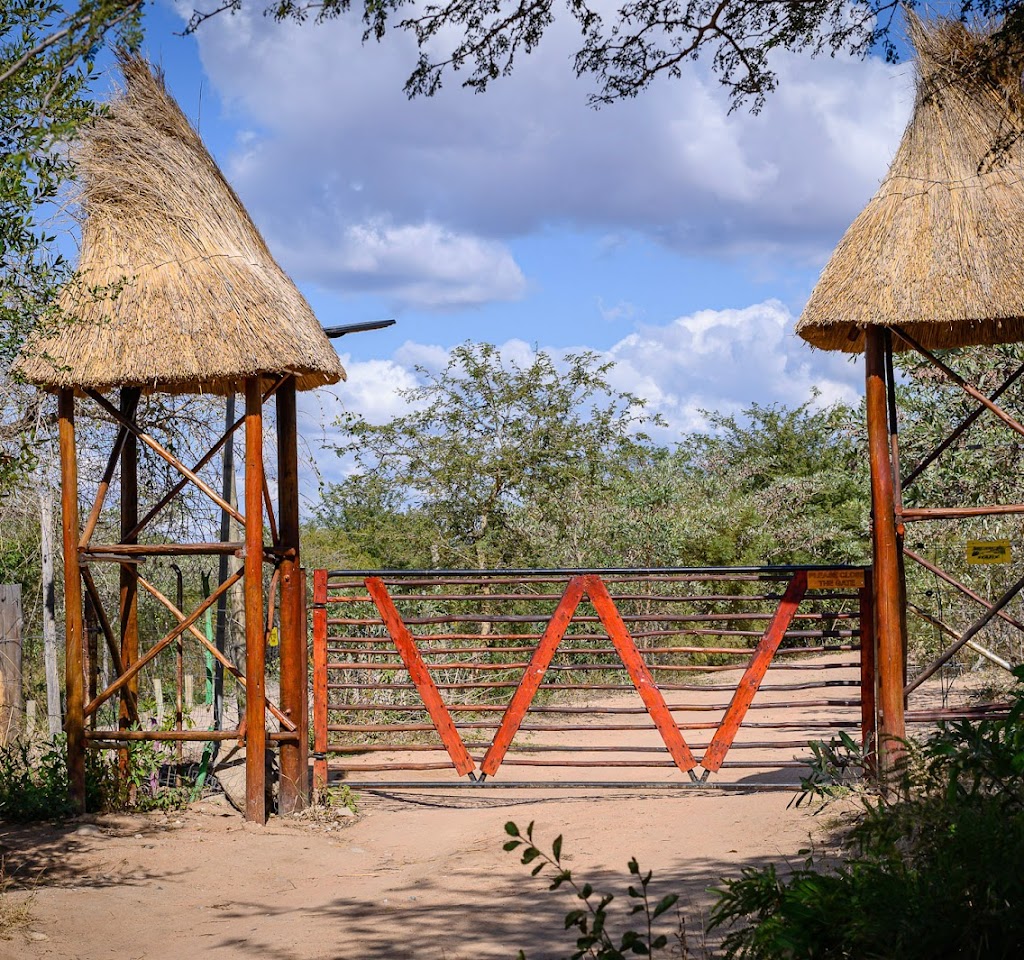
Acornhoek, Mpumalanga: A Traveller’s Guide to Accommodation, Attractions and Local Flavours
Nestled on the edge of Mpumalanga’s Lowveld, Acornhoek is an emerging base for travellers seeking authentic bushveld experiences, convenient access to the Kruger National Park, and easy access to the dramatic Panorama Route. Whether you are planning a wildlife-filled safari, a cultural excursion, or simply a relaxed stopover, the area offers a range of accommodation styles from community-rooted backpackers to comfortable lodges, with cachets of local charm and practical conveniences for a worry-free stay.
Choosing where to stay in or around Acornhoek comes down to proximity to the main routes, access to park gates, and your preferred pace of travel. For first-timers, staying closer to the larger roads ensures straightforward self-drive itineraries and easier transfer arrangements. If you prefer a more immersive experience, consider options that sit within or near village communities, where stays sometimes include guided village walks, cultural meals, and sustainable tourism activities. In either case, look for hosts that emphasise responsible tourism, clean communal spaces, and transparent policies about check-in times, self-catering or meal options, and waste or water-saving practices.
Typical amenities you might expect include en-suite or shared bathrooms, air conditioning or fans for the warm Mpumalanga evenings, reliable power with contingency for loadshedding, Wi‑Fi in common areas, and private or communal outdoor spaces. Many smaller properties provide self-catering facilities, barbecue areas or fire pits, and opportunities to participate in local tours or community projects. If you are travelling with family, small groups or solo travellers, seek properties that offer flexible room configurations, secure parking, and clear guidance on local transport options.
Transport planning is straightforward with a car rental or driver-guide as the most convenient option for exploring the region. The area benefits from well‑maintained main roads that connect to Kruger Park entrances, including the Phalaborwa and Orpen gates, depending on your intended safari route. If you plan to rely on public transport, arrange transfers in advance, and confirm drop-off points with your accommodation. A few properties may offer shuttle services to nearby attractions or to supply chain markets for groceries and supplies.
The best time to visit Acornhoek aligns with your outdoor ambitions. The dry season (roughly May to September) tends to offer better wildlife viewing, cooler daytime temperatures, and easier driving conditions. The shoulder periods can deliver comfortable warmth without peak heat, while the late-summer rainy season brings lush scenery but occasionally muddy tracks. Pack for variable weather: light layers for mornings and evenings, sun protection for daytime, and sturdy walking shoes for village routes or nature trails.
Practical planning tips include arranging some form of return transfer or day-trip schedule if you plan long day drives to Kruger or Panorama Route viewpoints. It is wise to book accommodation with flexible cancellation policies, particularly in peak travel windows. When staying at eco-conscious or community-based properties, you may have opportunities to participate in activities that support local livelihoods, such as village tours, traditional meals, or permaculture workshops. These experiences not only enrich your visit but also contribute positively to the community you are visiting.
In terms of attractions and experiences, Acornhoek and its surrounds offer a blend of wildlife, scenery, and culture. National parks and game reserves in Mpumalanga provide classic safari moments, from open vehicle game drives to guided bush walks. The Panorama Route delivers visual highlights and vantage points over dramatic escarpments, waterfalls, and lush valleys, while the broader Lowveld region offers gentle river safaris and scenic drives through diverse landscapes. For a more grassroots encounter, consider community-led initiatives that introduce you to Tsonga or local village traditions, offering authentic storytelling, food experiences, and a deeper connection with the people who call this landscape home.
Restaurants and dining options in the area range from simple, hearty local fare to informal eateries that showcase regional flavours. In many places, you’ll be able to sample staples such as grilled meats, maize meal dishes, fresh vegetables, and fruit from local markets. When planning meals, check whether your accommodation offers self-catering facilities or if a on-site or nearby café can provide ready-made meals or traditional dishes. If you prefer a more structured dining experience, your host can often point you to nearby venues that highlight sustainable ingredients and community-supporting menus.
One notable example of a visitor-focused option in this region is a community backpackers and village-led model that combines rustic accommodation with guided tours and cultural immersion. Such a place typically offers a mix of canvas tents, traditional huts, or modest lodges, along with communal lounges, fire pits, and self-catering kitchens. Guests are often encouraged to participate in local activities, from village walks to permaculture workshops, which helps to ground a stay in the place and its people. If you encounter this type of option, read guest reviews for insight into the balance between comfort and authentic experience, and look for clear information about safety, staff engagement, and environmental practices.
When planning your itinerary, consider pairing your stay with a couple of key experiences: a low-pressure village walk to learn about daily life and crafts, a guided bush walk or safari in nearby reserves, and a scenic day drive along the Panorama Route to absorb the region’s sweeping vistas. Finish with a relaxed evening around a fire, sharing stories with hosts and fellow travellers, and reflecting on the unique blend of nature, culture, and community that Mpumalanga offers. With thoughtful booking and an openness to local perspectives, your stay near Acornhoek can be both comfortable and enriching.
Sorry, no records were found. Please adjust your search criteria and try again.
Sorry, unable to load the Maps API.
Why Claim Your Listing?
Claiming your listing on the B&B Finder directory website is a valuable opportunity for business owners. Here are five reasons why you should consider claiming your listings:
Control Over Business Information: By claiming their listing, business owners can ensure that all the information presented is accurate and up-to-date. This includes details such as contact information, address, pricing, and available services or amenities. Accurate information helps prevent customer confusion and improves overall satisfaction.
Enhance the Listing: Once a listing is claimed, owners can enhance it by adding more comprehensive information and rich media, like high-quality photos and videos. These additions can make the listing more attractive and engaging to potential customers, thereby increasing the likelihood of bookings.
Marketing Opportunities: Claiming a listing can also open up additional marketing opportunities. Owners may be able to participate in promotional campaigns, special offers, and other marketing activities organized by the directory. This can increase visibility and attract more customers to the business.