Polokwane: Where to Stay and How to Plan a Relaxed, Traveller‑Friendly Visit
Polokwane, the vibrant capital of Limpopo, offers a welcoming base for those exploring northern South Africa. Its central location makes it easy to reach nearby natural reserves, cultural sights and bustling markets, while a range of lodging options provides choices for every budget. When planning a stay, think about what you want most from your trip—convenience, character, or a peaceful retreat after days of exploring—and match your choice of neighbourhood and accommodation accordingly.
Areas to consider for a stay. The city centre and adjacent suburbs tend to offer the most straightforward access to shops, eateries and transport links. If you prefer a quieter environment with easier access to nature, look for lodges or guesthouses on the outskirts or near the city’s northern or southern fringes. For a family‑friendly base, some guesthouses and lodges provide larger rooms or self‑catering facilities and safe parking. Whichever area you choose, check not only the distance to the places you plan to visit but also the availability of parking and security, especially if you plan to hire a car and drive around the region.
What to look for in bookings. When selecting accommodation, clarify the type of stay you want—self‑catering, bed and breakfast, or full board—so you know what meals, if any, are included. Look for properties that advertise a practical, comfortable layout, reliable Wi‑Fi, adequate lighting and charging points, and en‑suite or well‑appointed bathrooms. A helpful host or reception team can be invaluable in Polokwane, given the mix of business travellers, families and nature enthusiasts. If you plan early starts for day trips, ask about breakfast times and whether a light packed option is available. If you need airport or station transfers, check whether the property can assist or arrange a trusted local service. For longer stays, confirm access to laundry facilities, ironing equipment and kitchen essentials if you’re not staying on a full‑board basis.
Typical amenities and practicalities. Many guesthouses and lodges in Polokwane offer generous communal spaces, secure parking, and pleasant outdoor areas for a bit of downtime between excursions. Expect comfortable rooms with fans or air conditioning, given the warm subtropical climate, and reasonably quiet locations suitable for a good night’s sleep. If you are visiting in the dry season, you may value pools or shaded courtyards; in wet periods, inquire about covered outdoor spaces. Proximity to markets, restaurants and petrol stations can save time, while access to a reputable travel desk or digital concierge can help with day‑trip planning. For families or groups, self‑catering units with kitchenettes can be a practical option, allowing you to prepare light meals or snacks between adventures.
Transport, getting around and timing. A car is often the easiest way to explore Polokwane and the surrounding Limpopo countryside, giving you flexibility to venture to nearby wildlife reserves or cultural sites at your own pace. If you prefer not to drive, check whether your accommodation offers reliable shuttle services or can arrange transfers to key attractions. The best time to visit Polokwane for wildlife and outdoor activity tends to be in the dry season, when animals are easier to spot and the days are clear for longer excursions. Shoulder seasons can offer a quieter atmosphere and good value, though you may encounter hotter days and occasional showers. Pack sun protection, a light rain layer, comfortable walking shoes and a reusable water bottle, and plan your day to make the most of cooler mornings and evenings.
Attractions and experiences in general terms. In and around Polokwane, you’ll find nature reserves, birdwatching hotspots and heritage sites that showcase the region’s rich cultural tapestry. Markets, craft stalls and contemporary dining options provide opportunities to sample local flavours and buy handmade gifts. Day trips can take you to neighbouring towns, wildlife reserves and scenic landscapes where you can observe wildlife, learn about local traditions, or simply enjoy the wide open spaces. When booking activities, consider the pace of your trip—whether you want a relaxed itinerary with a few highlights each day or a more full‑on plan with early starts and late finishes. A well‑rounded stay often balances restful periods with a couple of structured excursions and ample time to unwind at your lodging.
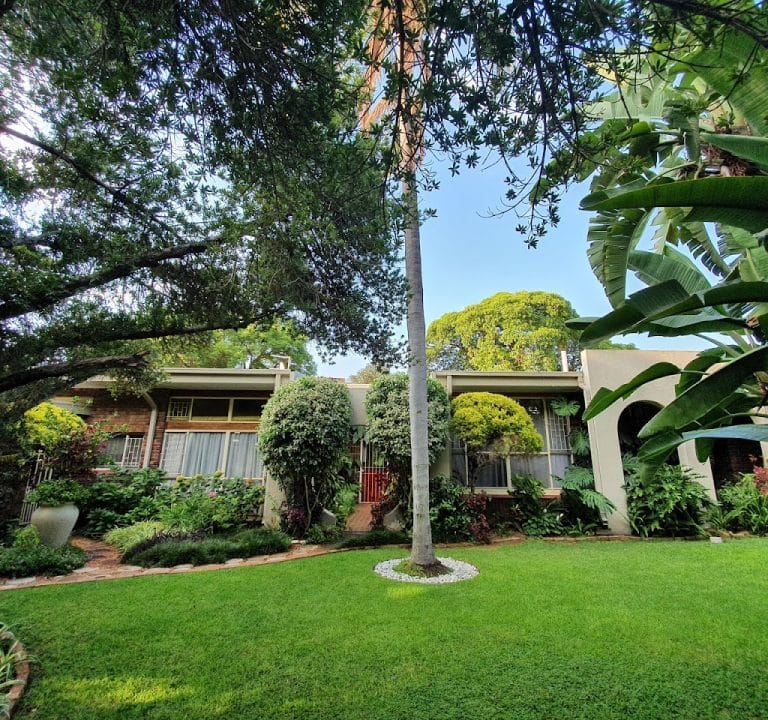
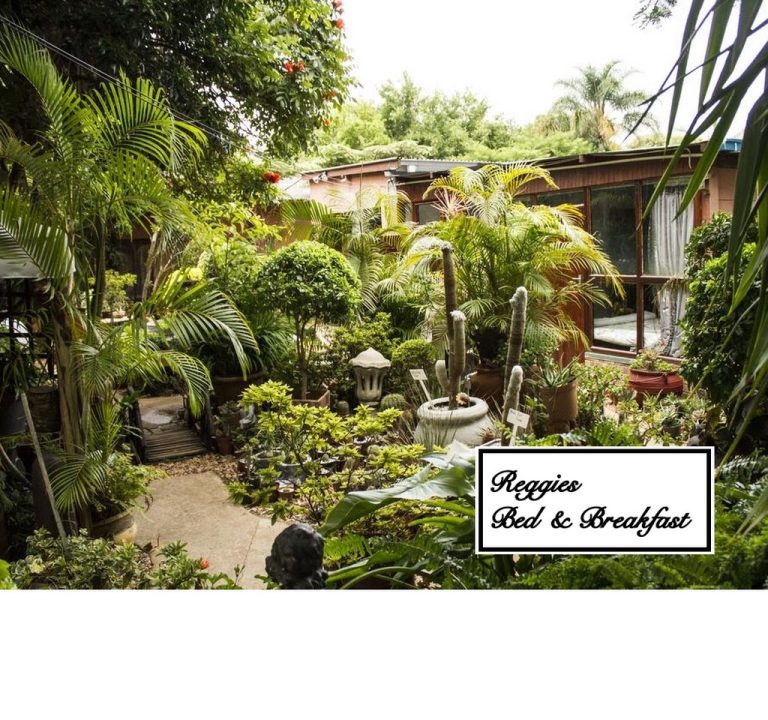
Suggested lodging examples and planning notes. Consider a stay at a guesthouse or lodge that emphasises hospitality—think friendly hosts, well‑appointed rooms and options for breakfast or light meals. An example to explore might be Sherrie’s Bed & Breakfast, which could offer a comfortable home‑away‑from‑home atmosphere in a convenient part of town. When you book, read recent guest reviews for notes on cleanliness, host responsiveness and noise levels, and check the cancellation policy in case your plans shift. If you’re travelling with family or friends, you might prefer larger suites or a self‑catering apartment to share. Always confirm included amenities, parking arrangements and any house rules in advance.
Practical tips to finish with. Arrange a flexible plan that allows for downtime between long days of sightseeing. Book accommodation closer to the centre if you want to be within easy reach of eateries and shops, or choose a tranquil lodge on the outskirts if you prioritise calm after full days outdoors. Keep a small change of clothes for hot days and a light sweater for cooler evenings. Check if your lodging provides a map or local guide recommendations, and ask the host for their top three personalised not‑to‑miss experiences. Finally, respect local customs and environmental practices, and you’ll enjoy a warmer welcome and a smoother stay throughout Polokwane and the surrounding Limpopo region.