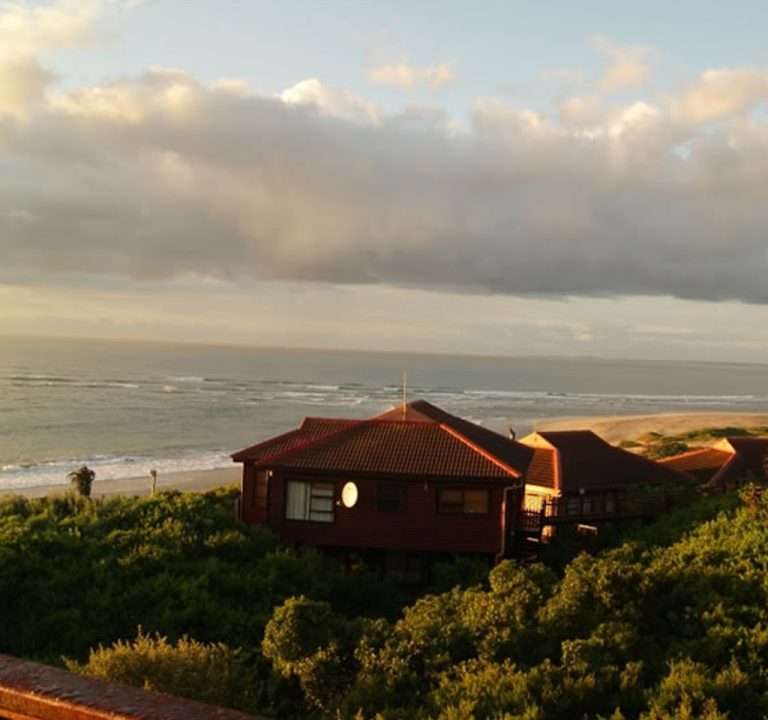
Accommodation and Things to Do in Jeffreys Bay, Eastern Cape
Jeffreys Bay, set along the garden route coast of the Eastern Cape, offers a relaxed springboard for a seaside escape. Known for its long sandy beaches, crystal-clear surf breaks and friendly local hospitality, it provides a range of lodging options to suit different styles and budgets. From beachfront lodges and boutique guesthouses to self-catering flats and cosy bed-and-breakfasts, you can find a stay that feels both convenient and characterful.
When planning a visit, consider which area will suit your plans. The town centre and the long Main Beach zone are convenient for walkers and those who want easy access to shops, cafés and casual eateries. Paradise Beach offers a quieter, more family-friendly setting with opportunities for long coastal walks and sunsets over the ocean. For nature lovers or those who prefer a more secluded base, staying near Kabeljous Nature Reserve or the Seekoei River mouth provides a tranquil backdrop and convenient access to outdoor activities. Think about how you will move around: the town is small enough to explore on foot or by bicycle in several districts, while a car or local taxi service can be handy for venturing to more distant beaches or nature trails.
Booking considerations matter as much as the view. Look for accommodation that clearly lists what is included, such as secure parking, Wi‑Fi, in-room storage, and a reliable breakfast option if you prefer to start the day with energy-boosting fare before hitting the coast. If you value a kitchen or kitchenette, self-catering apartments or B&Bs with shared facilities can offer real flexibility. For families, family-friendly rooms, a pool, and access to gentle beaches can be decisive. Surfing visitors may prioritise close proximity to the main beach or surf shops, while those seeking a quieter escape might opt for properties set back from the busiest stretch of sand.
Typical amenities across Jeffreys Bay’s accommodation include stylish en-suite bathrooms, comfortable living spaces, and outdoor areas designed to capture sea breezes. Many lodgings feature private balconies or sun decks where you can watch the waves. Consider rooms with air conditioning or heating for year-round comfort, given the coastal climate. A good online description should also flag accessibility, pet policies, and whether the property is child-friendly. If you prefer a full-service experience, some guesthouses and lodges offer afternoon tea, continental breakfasts, or evening meals by prior arrangement.
Transport in Jeffreys Bay is straightforward. If you drive, you’ll appreciate ample on-site parking or nearby street parking in quieter districts. For those relying on public transport, a car is helpful for reaching beaches that lie beyond a short stroll from your lodging. Local taxis and ride-hailing services are typically available, and several places offer convenient shuttle options to popular beaches or nearby reserves. If you’re travelling by air, the nearest major hub is typically a regional airport a little way inland, with road connections to Jeffreys Bay. From within town, bicycles and scooters can be a pleasant way to explore the waterfront and its promenades.
The best times to visit combine favourable weather with beach-friendly conditions. Summer months bring longer days and warm seas, ideal for swimming and sunbathing. Spring and autumn offer milder temperatures and lighter crowds, which can be ideal for exploring without peak-season bustle. Winter in this region is cooler and windier, but you can still enjoy dramatic coastal scenery and quieter beaches. If you’re seeking specific activities, such as surf sessions or wildlife watching, it’s worth aligning your stay with local weather patterns and any seasonal guides or operators who can tailor experiences to the conditions.
What to do and where to eat—on a general note, without specific endorsements—extends beyond the shoreline. You can expect opportunities for surfing lessons, hours of beach-based recreation, and easy access to coastal trails and wildlife-watching spots. Many visitors also enjoy strolling along promenades, browsing local art galleries or visiting small cafés and eateries that showcase the region’s relaxed, sea-facing vibe. When it comes to dining, look for places that prioritise fresh, local ingredients—whether it’s a casual café by the beach or a family-friendly restaurant with a varied menu. For those seeking a more social experience, booking ahead for sunset meals or brunch spots can be a smart option, especially during busy holiday periods.
Practical planning tips to keep in mind:
- Book accommodation well in advance for peak holiday periods, especially if you require a specific area or a beachfront location.
- Check the property’s access to amenities such as cooking facilities, laundry, parking, and Wi‑Fi to avoid surprises.
- Confirm what level of sea view or distance from the beach you prefer, as this can significantly influence price and convenience.
- If you rely on public transport, map out the closest bus or taxi routes and note approximate travel times to key beaches and reserves.
- Pack versatile clothing for sun, wind and possible cool evenings, plus a lightweight wetsuit if you plan to surf in cooler months.
Jeffreys Bay remains a destination that balances laid-back coastal living with enough activity to please outdoor enthusiasts. Whether you choose a stylish boutique lodge by the surf, a welcoming B&B in a quiet street, or a self-catering apartment near the main beach, you’ll find that planning a stay here is as enjoyable as the coast itself. For further ideas and bookings, you can explore lodgings and local guides through reputable travel platforms and the official tourism sites linked to the area.