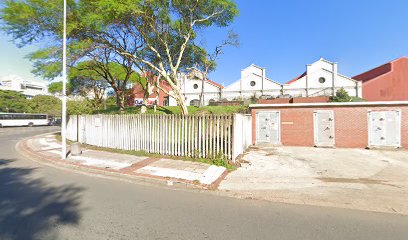
Durban, KwaZulu-Natal: Accommodation, attractions and practical planning for a memorable stay
Durban sits on the east coast of South Africa, offering a warm subtropical climate, bustling beaches, and a rich mix of cultures. When planning a stay, think about the area that best matches your interests—whether you’re chasing seaside relaxation, family-friendly attractions, or easy access to the city’s markets, eateries and wildlife experiences. Durban’s accommodation ranges from guest houses and boutique lodges to larger hotels, many with easy access to the coastline, major transport routes and a vibrant dining scene.
Where to stay matters as much as what you do. For beachfront convenience, consider lodging along the Golden Mile or in the Umhlanga area, where the promenade, shops and casual eateries are within easy reach. If you prefer a more laid‑back vibe with historic charm, the Berea or Glenwood neighbourhoods offer leafy streets, boutique stays and traditional guest houses. For a modern, family-friendly base with quick access to the airport and major highways, hotels and lodging in the Musgrave or Durban North corridors can be very practical. Durban also has routed options in the central business district for access to museums, markets and performing arts venues, often at good value in off‑season periods.
Typical amenities to look for when booking a Durban stay include reliable air conditioning or fans for the humid months, secure parking if you’re driving, and access to a kitchen or self‑catering facilities for flexibility. Many guest houses and smaller hotels offer inclusive breakfast, which can be a convenient way to start busy days touring the city. Other appealing features include en suite bathrooms, complimentary Wi‑Fi, a comfortable lounge or garden area, and helpful reception staff who can share local tips on transport and safety.
Transport is a key planning consideration. Durban has a network of taxis and ride‑hailing services, and several areas are walkable at a comfortable pace along the beachfront and in well‑paved inner suburbs. If you’re planning day trips to natural attractions or wildlife reserves, consider accommodations with easy access to major routes or to public transport hubs. For self‑drive visitors, factor in parking arrangements and the level of on‑site security. If you prefer not to drive, look for central locations with easy access to tours, markets and beaches, with proximity to taxis or shuttle services.
The best time to visit Durban depends on your preferences. The city enjoys warm summers with occasional tropical showers and mild winters. If you want to enjoy the beach and outdoor activities, the late spring and autumn shoulder seasons often offer pleasant temperatures with fewer crowds. For surfers or thrill‑seekers, the ocean conditions can vary with the seasons, while winter brings cooler, sunnier days that are still very pleasant by many travellers’ standards. Mother Nature can be dramatic, so plan for hot sun protection, light rain gear and comfortable footwear for coastal promenades, markets and nature trails.
Practical tips to help you maximise your stay:
- Book in advance for peak holiday periods or major events; prices and availability may vary with demand.
- Read previous guest reviews to gauge the consistency of service, cleanliness and safety standards.
- Ask hosts about nearby dining options, markets, and family‑friendly activities, including beaches with lifeguards and shade.
- Consider a stay that offers easy access to a few key experiences—beach time, a market or historic district stroll, and a guided nature or wildlife outing.
- Check transport options at your chosen base—whether you’ll rely on public transport, ridesharing, or a hire car—so you can plan day trips accordingly.
Durban’s attractions span coastal splendour, cultural heritage and outdoor adventures. You’ll encounter expansive beaches with safe bathing zones, lively markets and diverse culinary scenes that reflect the city’s Indian, Zulu and colonial influences. Family-friendly highlights often revolve around the coastline, with promenades, parks and museums that are approachable for all ages. For a relaxed day, enjoy a stroll along the beachfront, sample street foods or browse crafts at vibrant markets. More energetic visitors might plan a trip to nearby nature reserves, biospheres or wildlife experiences that showcase KwaZulu-Natal’s distinctive landscapes.
When selecting accommodation, a few standout considerations can help you enjoy a smoother stay. If you’re curious about staying in a guest house with a personal touch, Shamrose B & B represents a traditional option that many travellers appreciate for its intimate atmosphere and insight into local life. If you’d prefer a modern hotel feel or family‑suite arrangements, look for central locations with straightforward access to beaches and transport hubs. For those seeking a more social setting, consider lodges or boutique properties that arrange guided tours or cultural experiences, which can enrich your visit without needing to plan every detail in advance.
Durban’s dining scene ranges from casual beachfront cafés to more formal eateries offering diverse flavours. In general terms, expect to find fresh seafood, curries, braai offerings, and fusion cuisine that highlights coastal ingredients. When booking, you may choose a property with on‑site dining or a convenient location near a cluster of good-value restaurants and markets, enabling you to sample local dishes without travelling far after a long day of sightseeing.
Finally, keep practicalities in mind: bring a light jacket for cooler evenings, Sun Protection for long beach days, and a flexible itinerary to allow for weather changes or seasonal activities. With careful planning, Durban offers a welcoming base from which to explore KwaZulu‑Natal’s coastline, culture and countryside—creating a relaxed, memorable South African experience.