Freeland Park, KwaZulu-Natal: Where to stay, what to do, and how to plan a relaxed N2 coastal break
Freeland Park is a popular coastal enclave on KwaZulu-Natal’s Dolphin Coast, just a short drive from Ballito. It offers a mix of family-friendly lodgings, modern guesthouses and self‑catering cottages, with easy access to beaches, nature trails and convenient amenities. For visitors seeking a laid‑back base a little off the main tourist arterials, Freeland Park can feel like a calm home from home while still being close to the attractions of the north coast.
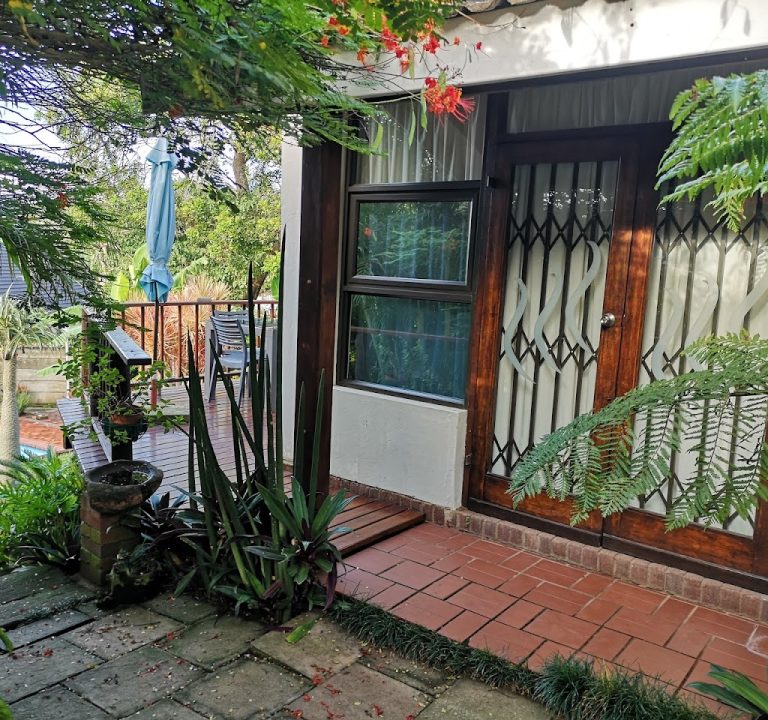
Accommodation options in Freeland Park range from smaller B&Bs and self‑catering homes to lodges and stand‑alone cottages. A typical choice for a savoury blend of comfort and value is a well‑located self‑catering unit within walking distance of the park’s green spaces and nearby beaches. One well‑known example in the area is Serenity Cottage, a lodging option that can offer a cosy, homely feel with the flexibility of private facilities. When choosing where to stay, consider the following:
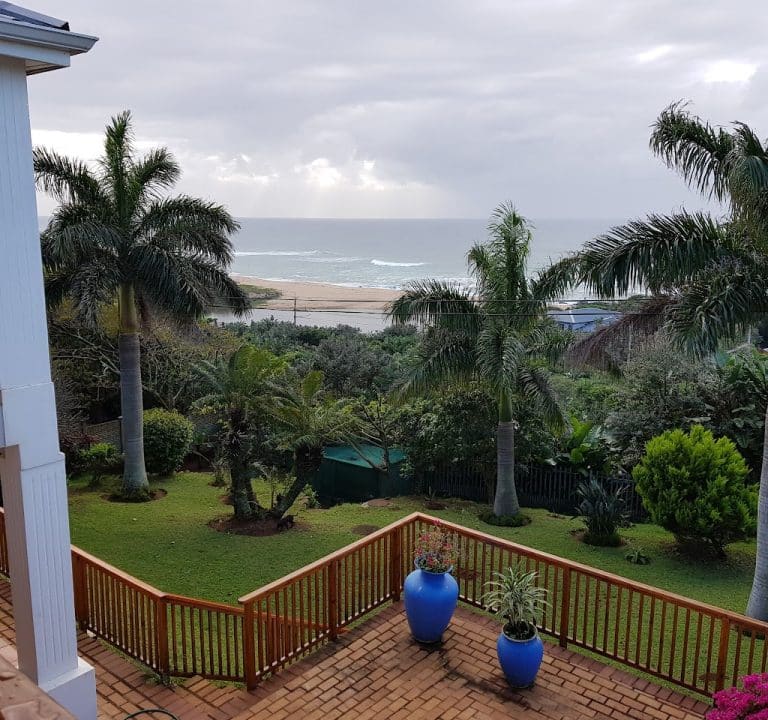
- Proximity to the coast and access to beaches for morning runs, swims or sunset strolls.
- Ease of parking and vehicle access, particularly if you plan to explore the wider Dolphin Coast by car.
- Quiet or family‑friendly areas within Freeland Park versus more central, busier pockets.
- The availability of basics on site, such as a kitchenette, washing facilities, air‑conditioning or ceiling fans for subtropical summers.
- Security features and gate access, which are common considerations in residential settings along the coast.
When booking, be clear about your must‑haves: a private en suite, a kitchen area for self‑catering, internet access, and leisure spaces such as a garden or courtyard. If you are travelling with children or elderly guests, look for accommodations with easy access, ground‑floor rooms, and safe exterior spaces. For longer stays, choose a place with laundry facilities and reliable kitchen equipment so days can start with a relaxed breakfast rather than a rushed dash out for coffee.
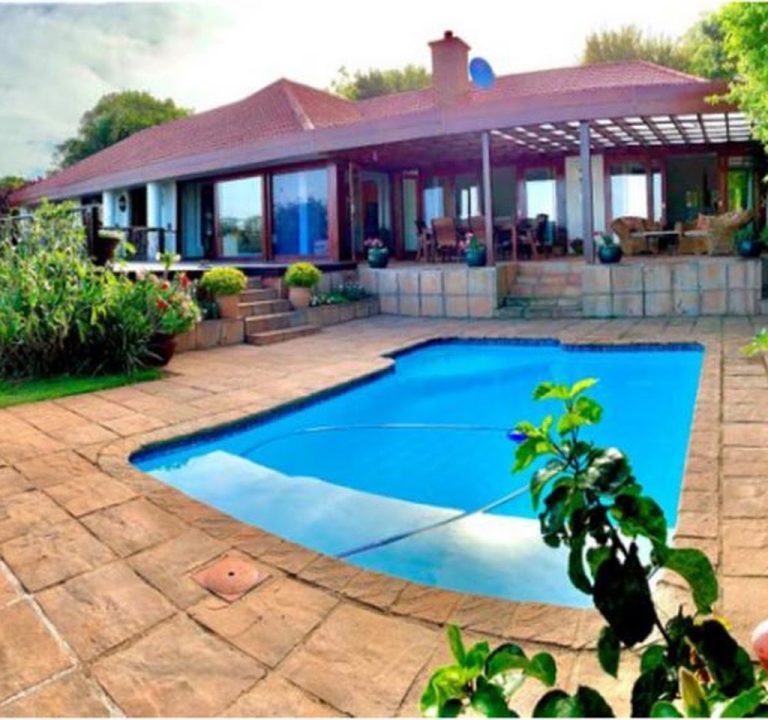
Typical amenities across Freeland Park lodgings often include free parking, access to a communal pool or garden, and outdoor seating areas for al fresco meals. Some properties offer braai (barbecue) facilities, which can be a nice South African touch for evenings spent outdoors. As this part of KwaZulu‑Natal enjoys a subtropical climate, rooms with good ventilation, fans or air conditioning are comfortable year‑round, while shaded outdoor spaces help offset the heat in summer months.
Transport to and around Freeland Park is usually most convenient by car. The area is well‑linked to Ballito and other Dolphin Coast destinations via a network of regional roads. If you are relying on public transport, plan ahead, as services can be limited between towns; many visitors opt to hire a vehicle for flexibility. Taxis and ride‑hailing services are commonly available in the Ballito area, and some accommodation providers can arrange airport or local transfers upon request. When planning day trips, it’s worth budgeting time for slower coastal traffic, particularly in peak holiday periods and during weekend beach gatherings.
The best time to visit Freeland Park corresponds with the broader KwaZulu‑Natal seasons. The region enjoys a warm, subtropical climate with hot summers and mild winters. Summer (roughly November to March) brings higher humidity and the chance of afternoon showers or thundershowers, but it is also the sunniest and most beach‑friendly time. Winter (June to August) is dry, cooler and generally pleasant for long coastal walks and nature trips. Shoulder seasons—April, May, September and October—offer quieter beaches and comfortable temperatures for sightseeing, with lower accommodation rates than peak season.
Health and safety basics for a stay on the Dolphin Coast apply here as with other coastal regions. Pack sun protection, a light layer for cooler evenings, and a small first‑aid kit for outdoor activities. Keep hydrated during warm days and use reef‑safe sunscreen if you plan to snorkel or swim near protected zones. Water quality and currents can vary by location and weather, so heed local guidance and posted notices when entering the sea. If you plan activities beyond the hotel or guesthouse, reputable outfitters typically provide clear safety and inclusion information.
Attractions and experiences around Freeland Park can be enjoyed at a relaxed pace. Expect wide, sandy beaches ideal for beach walks, family days, and water‑based recreation along the Dolphin Coast. Nature lovers often appreciate nearby coastal reserves, viewpoints and scenic trails that showcase the region’s marine and birdlife. For dining, look for casual seafood spots, bistro‑style restaurants and local eateries that highlight fresh produce and regional flavours. In general terms, you’ll find places to enjoy casual meals, coffee breaks and sundowners with sea‑view backdrops, with menus aligned to local produce and international favourites.
To plan your stay, it helps to map out a simple two–three day baseline itinerary: a beach morning, a gentle nature walk or reserve visit in the afternoon, and an easy‑going dinner in the evening. If you wish to explore beyond Freeland Park, a day trip to Ballito or other coastal towns along the Dolphin Coast is a natural extension, offering additional beaches, shops and cafes. For more inspiration and practical planning, you can visit official South African tourism resources online, which provide updated listings of accommodation and experiences in the region: https://www.southafrica.net.
In short, Freeland Park provides a peaceful, coastal base with a range of lodging options, practical transport options and a straightforward approach to enjoying the KwaZulu‑Natal coast. By focusing on proximity to the sea, accessibility of amenities, and flexible living spaces, you can craft a relaxed and satisfying stay that suits both downtime and exploration.