Accommodation and Experiences in Danielskuil, Northern Cape: Where to Stay and What to Do
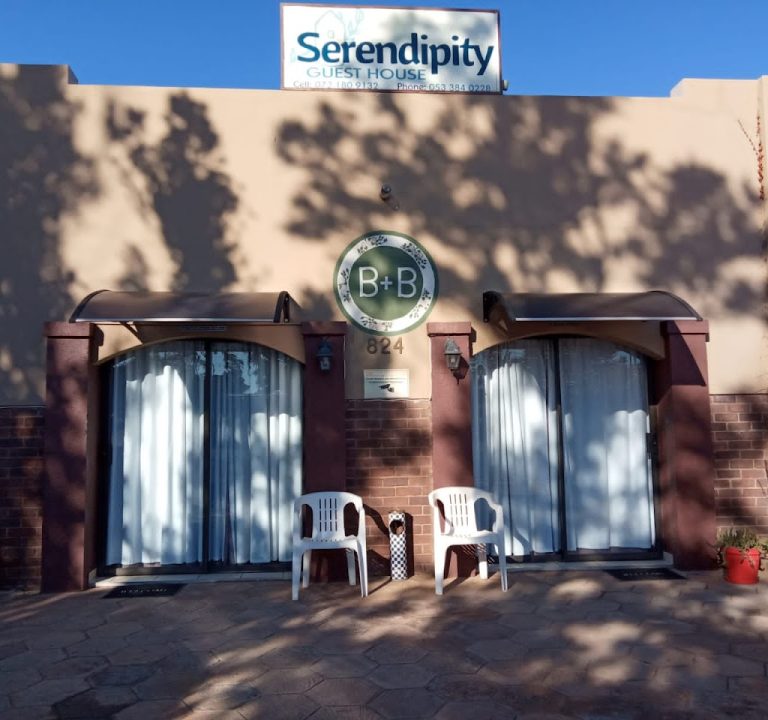
Danielskuil sits in the arid beauty of the Northern Cape, a small town that makes a practical base for exploring the surrounding landscapes and hidden gems of this sparsely populated region. A stay here can be relaxing and uncomplicated, with guest houses and B&Bs offering a warm welcome, comfortable rooms, and the chance to connect with local hosts who know the best off-the-beaten-track spots. For a taste of local hospitality, consider establishments such as Serendipity B&B, which often emphasise a friendly atmosphere, convenient locations, and practical amenities tailored to travellers.
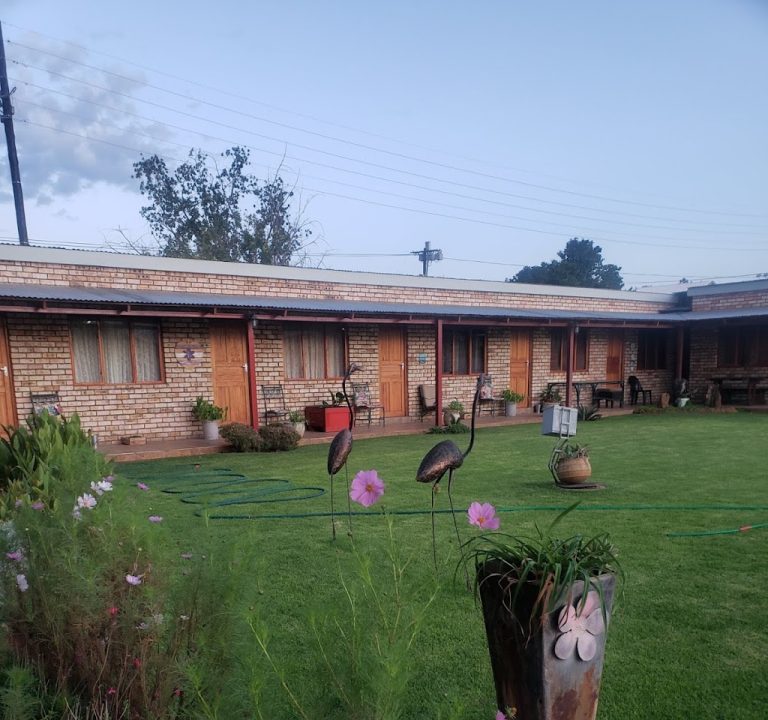
When planning your stay, start by thinking about the area you wish to base yourself in. Danielskuil offers a central urban heart with easy access to surrounding roads, while nearby rural routes can deliver a more immersive experience of the Northern Cape’s open spaces. If you’re visiting for a short break, a centrally located guest house or small hotel can cut down transfer times and maximise your exploring. For a longer sojourn, you might prefer a guest house with a quiet garden or patio, where you can unwind after daytrips and plan your next itinerary with the host’s insights.
Booking considerations are straightforward but worth a moment’s attention. Look for guest houses or B&Bs that provide clear information about parking, wifi, and self-catering options if you anticipate returning late from day trips. Enquire about breakfast offerings (whether continental, hot meals, or informally arranged with hosts) and any dinner suggestions if you’d rather dine in. In small towns, a friendly host can point you to dependable local eateries and produce stalls, saving you time and helping you enjoy authentic regional flavours. If accessibility is important, confirm room layouts (one floor, wide doorways, and accessible bathrooms) before you book to avoid surprises on arrival.
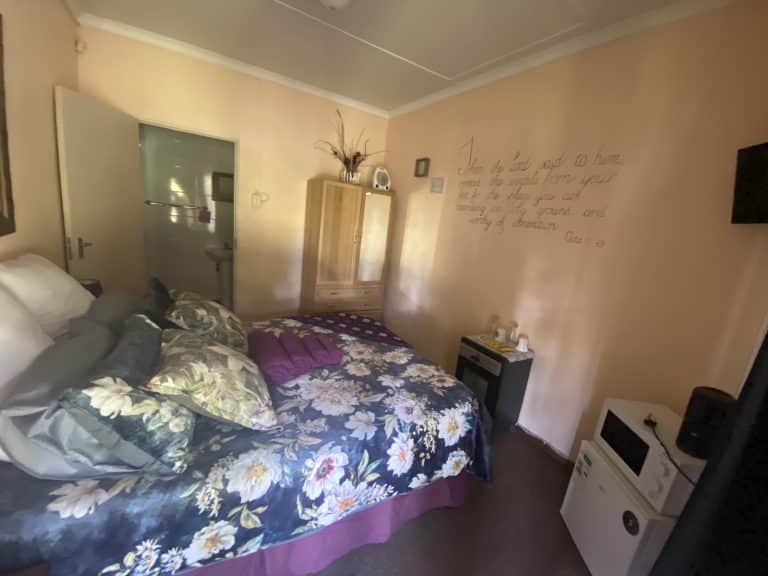
Typical amenities in Danielskuil’s accommodation range from well-equipped en-suite rooms and air conditioning to secure parking and place-shifting lounge areas. Many guest houses offer water-saving features and energy-conscious appliances, a practical detail in the Northern Cape’s climate. House rules are usually modest and straightforward: quiet hours, housekeeping arrangements, and visitor guidelines. If you’re travelling with children or a group, ask about sleeping arrangements, extra beds, or family-friendly room configurations. A compact self-catering apartment or a family room can be a smart option for flexible meals and budgeting.
Transport is a key practical consideration. Danielskuil is most easily reached by car, with a network of regional roads linking to larger towns. If you’re flying, Kimberley and Upington are the main gateways to the broader Northern Cape, from which you can drive through to Danielskuil. Car rental is common and often the most convenient way to move between attractions and dining spots at your own pace. For travellers without a vehicle, check whether your chosen accommodation provides airport shuttles or local transfer arrangements, and ask the host if they can arrange a short guided excursion or suggest reliable tours with a sensible timetable.
The best time to visit Danielskuil aligns with the wider Northern Cape climate: hot, dry summers and cooler, sometimes windy winters. Spring and autumn bring fresher air and more comfortable temperatures for outdoor activities. If your agenda includes nature walks, stargazing, or wildlife viewing, plan for early morning or late afternoon when wildlife is more active and temperatures are milder. Summer visits may require sun protection, hydration plans, and light, breathable clothing. Outside peak holiday periods, you may benefit from quieter streets and more attentive service at guest houses and eateries.
What to do and where to eat, in general terms, is easy to tailor to your stay. In terms of attractions, consider nearby nature reserves or scenic viewpoints for easy day trips that reward quiet landscapes and expansive skies. Stargazing is a highlight of the region, thanks to its clear night skies and low light pollution—perfect for slow evenings on a guest-house terrace or a short excursion to a vantage point. Cultural and historical interest often centres on local heritage and the surrounding towns, where hosts can share stories about the land, farming life, and regional traditions. For meals, look for family-run bistros and casual eateries that provide straightforward, hearty dishes and seasonal produce. If you prefer a more relaxed option, many accommodation providers offer breakfast packages or sharing plates, perfect for a low-key start or end to your day.
Practical tips to help you make the most of your stay:
- Book ahead in peak seasons and check cancellation policies in writing, especially if your travel plans may shift with weather or road conditions.
- Clarify parking, access to self-catering facilities, and any shared spaces when you book.
- Pack a light layer for evenings; even in warmer months, desert-adjacent climates can become cool after sunset.
- Carry a reusable water bottle and sunscreen; stay hydrated as you explore open landscapes.
- Speak with hosts about local dining options, as they often know the most reliable, relaxed places to eat and the best times to visit to avoid crowds.
- Plan a flexible itinerary that includes a couple of “buffer” days for unexpected discoveries or rest days at your accommodation.
- Check the latest travel advisories and weather forecasts for the region prior to departure, especially if you plan to explore remote routes.
For inspiration and planning resources, you can visit official tourism pages for the Northern Cape or regional visitor information centres. Once you settle on your preferred style of stay—be it a compact guest house with a friendly host or a more spacious B&B—Danielskuil can offer a straightforward, comfortable base from which to explore this quietly captivating corner of South Africa. For more ideas, you can explore reputable travel sites and the local tourism website linked here: Northern Cape Tourism.