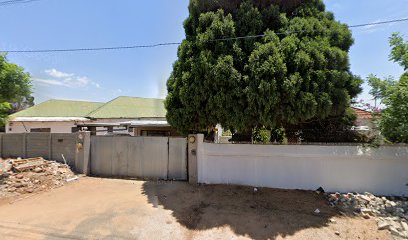
Accommodation and activities in Johannesburg, Gauteng
Johannesburg, often simply called Joburg, is a dynamic gateway to Gauteng’s mix of urban culture, history and nature. Its accommodation ranges from chic boutique stays in inner-city districts to leafy, family-friendly lodges in neighbourhoods with easy access to parks and shopping. When planning a stay, consider which area best aligns with your plans, whether you want cultural immersion, easy access to business hubs, or a calmer base for exploring beyond the city.
In central Johannesburg, you’ll find a concentration of hotels and guesthouses that place you close to museums, theatres and historic sites. The northern suburbs—particularly areas such as Sandton and Rosebank—offer upscale hotels, modern apartment-style accommodation, and shopping at high-end centres. For a more residential vibe with a creative edge, Braamfontein and Maboneng are popular with visitors who value proximity to galleries, cafés and street markets. Soweto, while further afield, provides engaging heritage experiences and community-led stays that give a different flavour of the city. If you’re travelling with family or seeking a quieter stay, suburbs a short drive from the city centre can offer comfortable lodges and guesthouses with larger rooms and gardens.
What to look for when you book
- Location relative to your planned activities and transport links
- Type of accommodation (hotel, boutique guesthouse, lodge, or self-catering apartment)
- Room configuration and amenities (air conditioning, secure parking, free Wi-Fi, breakfast options)
- Safety and access, including on-site security and well-lit common areas
- Availability of airport transfers or easy access to public transport
- Flexibility of cancellation policies and the booking platform’s support
Typical amenities you might expect
- 24-hour reception or concierge assistance to help with directions and bookings
- Secure parking or easy access to rideshare options
- On-site dining, coffee stations or nearby curated eateries
- Well-equipped rooms with quality bedding, good lighting and charging points
- Housekeeping on a regular schedule, with options for daily or weekly service
- Access to common areas such as lounges, terraces or small fitness facilities
Transport and getting around
Johannesburg relies on a mix of transport modes. The city’s Gautrain network links major hubs with the airport and neighbouring cities, offering a fast connection to central Johannesburg and Rosebank. Within the city, rideshare apps and metered taxis are commonly used; many hotels offer airport shuttles or driver recommendations. If you plan to discover multiple neighbourhoods in a day, check whether your accommodation provides easy access to safe parking or convenient pickup points for taxis and rideshares. A day-to-day plan that groups activities by area can reduce transit time and maximise experiences.
Best time to visit
Johannesburg is a year-round destination with a temperate climate. The dry winter months (May to August) can be good for wildlife day trips and city exploration with clearer skies, while the warmer summer season (November to February) brings occasional afternoon showers. Late afternoons and evenings in autumn and spring can be pleasant for dining out in vibrant districts. If you’re visiting for special exhibitions or live music, plan around local calendars and check opening times in advance.
Practical planning tips
- Book accommodation with clear directions and helpful staff who can arrange tours or restaurant reservations.
- Ensure your stay includes security features such as well-lit entrances and reliable access to your room.
- Confirm whether breakfast is included or if you’ll need to dine out; many areas offer excellent local breakfast spots and cafés.
- Pack adaptable clothes for warm days and cooler evenings, plus a light rain jacket during the wetter months.
- When booking, look for options that provide flexible cancellation terms in case plans shift.
- For a more local flavour, consider staying in a boutique property that highlights neighbourhood design and community partnerships.
Attractions and dining in general terms
Johannesburg offers a rich spectrum of experiences. World-class museums and archives provide insight into South Africa’s past and present, while art districts and markets showcase contemporary creativity. Parks and green spaces offer respite from the urban scene, with viewpoints and sculptures that invite photography and reflection. Dining ranges from casual cafés to refined restaurants that reflect South Africa’s diverse influences. For a flavour of the city, you can expect vibrant neighbourhoods where street food, casual eateries and late-night venues sit alongside more formal dining experiences.
If you are seeking a specific stay with a recognised identity, boutique options such as Sensations Lodge may appeal to travellers seeking a central, style-conscious base. Regardless of choice, Johannesburg rewards visitors who balance well-planned itineraries with time to wander, pause in a café, or explore a market. For more information about accommodation options and planning tools, you can visit official tourism sites or hotel chains’ pages, which often provide neighbourhood guides and suggested itineraries.