Discover Cape Town: Accommodation and Activities for a Memorable Stay
Cape Town is a city of striking contrasts, where dramatic coastlines meet lush winelands and vibrant neighbourhoods pulse with culture. For most visitors, a well-chosen base makes the difference between a good trip and a great one. Whether you prefer a cosy guest house in a leafy suburb, a boutique hotel with mountain views, or a modern apartment near the harbour, Cape Town offers a range of options to suit different budgets and itineraries. A thoughtfully planned stay can also minimise transit time, so you have more opportunity to explore the city’s many attractions and experiences.
When choosing where to stay, consider what you want to be part of your daily routine. The Atlantic Seaboard—including area options such as Camps Bay and Clifton—offers sun-drenched beaches, glamorous dining, and holiday-home vibes, with a premium that reflects the scenery. The City Bowl and the central V&A Waterfront precinct provide easy access to museums, markets, cafés, and the start points for day trips. Constantia and the neighbouring southern suburbs are ideal for those seeking a slower pace, beautiful gardens, and wine-tasting adventures without abandoning city convenience. For a deeper sense of Cape Town’s heritage and colourful street life, the Bo-Kaap and surrounds offer rich cultural immersion close to several major sights.
Typical amenities vary by property type, but guest houses and boutique hotels in Cape Town commonly feature comfortable en-suite rooms, daily housekeeping, and a generous breakfast. Some properties offer patios or balconies with sea or mountain views, secure parking, laundry facilities, and helpful staff who can arrange city excursions, restaurant recommendations, and practical tips for getting around. If you are staying in a larger neighbourhood or a resort-style complex, you may encounter shared lounges, fitness spaces, or private terraces. It is wise to check accessibility, private or communal entrances, and whether self-catering options are available if you prefer some meals to be planned around your day’s activities.
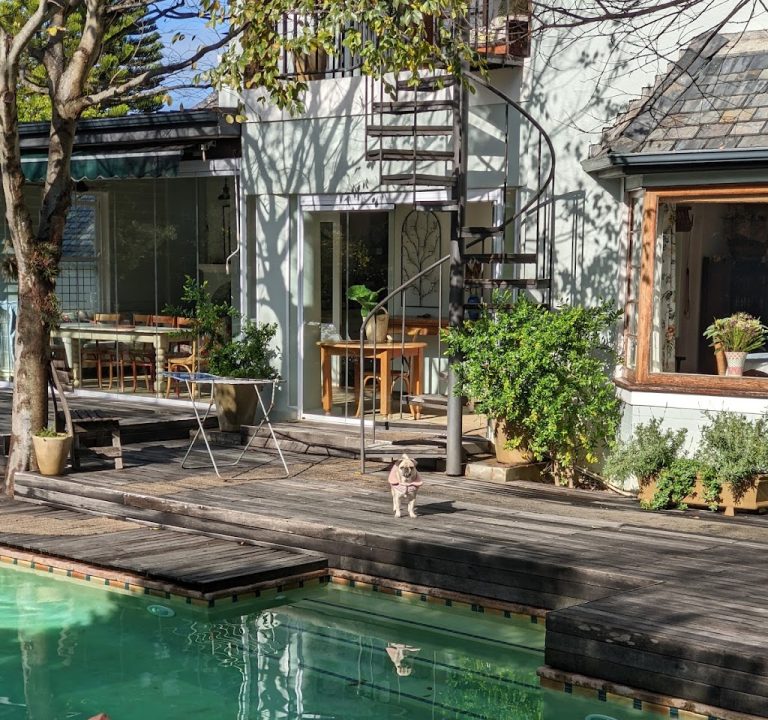
Selton Guest House, a representative example of a guest house in Cape Town, illustrates how a stay can combine personal touches with local charm. While particulars differ from property to property, many guest houses prioritise a warm, home-from-home atmosphere, good value for money, and proximity to transport links that help you explore the city’s top sites with ease.
Transport in Cape Town is well used by locals and visitors alike. The MyCiTi bus service covers many routes within the metro area, while Uber and other ride-hailing apps are convenient for short hops between neighbourhoods or quick trips back to your accommodation after an evening out. If you plan day trips to the Cape Peninsula, the winelands, or Cape Point, you can combine guided tours with independent travel, or hire a car for flexibility. When booking, ask about parking arrangements, proximity to taxi ranks or tram stops, and the possibility of arranging transfers from the airport if you arrive late or have heavy luggage.
The best time to visit Cape Town depends on what you want from your trip. The shoulder seasons of late autumn (February to April) and spring (September to November) typically offer pleasant weather, fewer crowds, and good value. Summer (December to February) brings lively outdoor days and busy beaches, while winter (June to August) can be cooler and wetter, yet still showcases dramatic landscapes and inviting indoor dining experiences. If your plan includes outdoor activities such as hiking or coastal walks, it is sensible to check local weather forecasts and plan flexible days in case of sudden changes.
To help you plan a balanced itinerary, consider a mix of iconic sights and relaxing moments. Start with a sunrise or sunset view from a scenic coastal spot, then spend a day in a cultural or historic district to glimpse Cape Town’s heritage. Reserve a portion of your time for a coastal drive along the Atlantic seaboard, followed by a stop at a winery or a light lunch in a vineyard setting. If you enjoy markets and street food, allocate time for a local market with crafts, tastings, and live music. Dining in Cape Town offers everything from casual cafés to refined bistros; many venues highlight seasonal produce and coastal seafood, sometimes with a view to complement the meal. For those who prefer an active holiday, water-based activities, guided hikes, and scenic viewpoints are widely accessible from central bases and the surrounding suburbs.
- When booking: confirm room configuration (ensuite, twin, or family options), breakfast options, parking, and accessibility.
- Location: balance proximity to the city centre, beaches, and your planned day trips.
- Facilities: look for reliable Wi-Fi, laundry services, secure storage for luggage, and 24-hour reception if you arrive late.
- Transport: check nearby public transit stops, taxi or rideshare access, and whether the property can arrange transfers.
- Seasonality: consider the best time to visit for crowds, weather, and pricing.
- Practical tips: pack layers for variable coastal weather, water-friendly footwear for coastal paths, and a reusable water bottle for sightseeing.
Cape Town rewards those who plan a flexible itinerary with spaces to breathe, inviting food, and unforgettable scenery. By choosing the right base and mapping a sensible mix of activities, you can make the most of your stay in this remarkable corner of the Western Cape.