Port St Johns: where to stay, what to do, and how to plan your visit
Port St Johns sits on the Wild Coast of the Eastern Cape, a destination prized for its dramatic coastline, river estuaries and unhurried pace. When planning a stay in this remote town, it helps to understand the layout of the area and the kind of accommodation that best suits your travel style. Options range from small, characterful guesthouses and self‑catering cottages to more contemporary hotels near the waterfront. Some visitors opt for eco-lodges tucked into the surrounding countryside, offering a retreat feel with easy access to beaches and trails. A well-known option for families and groups is Second Beach Holiday Resort, which provides a practical base with proximity to the water and local amenities.
Areas to consider when choosing where to stay include the town centre for convenience, the riverfront for scenic views and easy strolls to casual eateries, and the Second Beach and nearby coves for a more laid‑back, beach‑focused experience. If you prefer quiet and seclusion, look for lodges or cottages perched above the coastline or set back from the main streets. For first‑time visitors, a central location with straightforward access to shops, eateries and the bay can help you maximise your limited time in Port St Johns, especially if you have limited transport options.
Booking considerations are essential in a destination where road conditions and weather can influence travel. Check how your chosen accommodation handles the following typical needs: reliable hot water, secure storage for wallets and cameras, adequate lighting for evenings, and efficient housekeeping services if you are staying longer. Many places in Port St Johns provide self‑catering facilities or kitchen access, which can be a practical choice for mornings when you want a quick breakfast before setting out for a day of exploration. If you plan day trips or longer hikes, confirm what equipment is available on site (such as laundry facilities or gear storage) and whether meals can be arranged or recommended nearby.
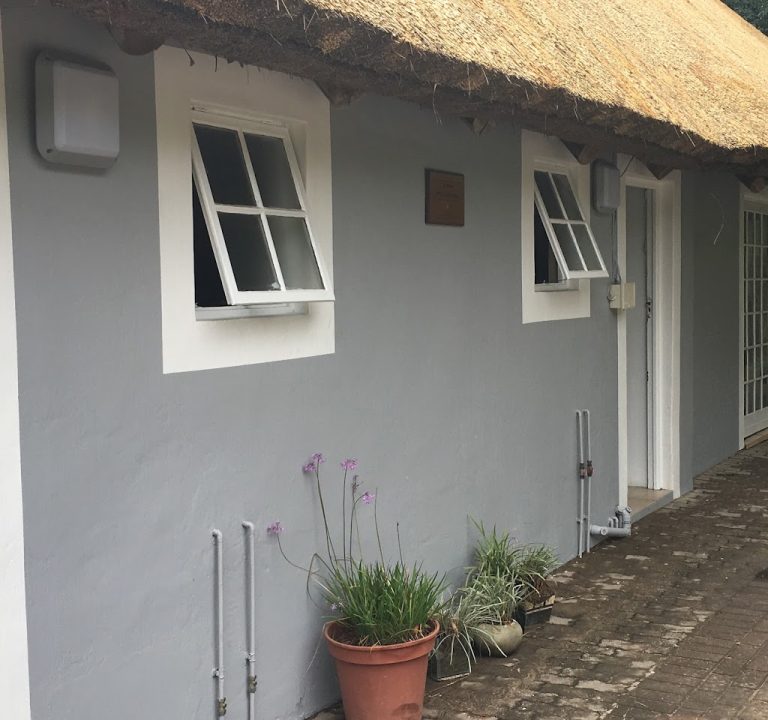
Typical amenities across smaller hotels and guesthouses often include en‑suite or shared bathrooms, wifi in common areas, and on‑site parking. Some establishments offer small swimming pools, garden patios, or viewing decks that let you savour the sea breeze and watch the passing boats or fishermen at work. In contrast, self‑catering options may provide private verandas, fully equipped kitchens, and outdoor braai (barbecue) areas for relaxed evenings. Think about your priorities: a simple bed and breakfast feel with friendly hosts, a stylish mid‑range option with tasteful interiors, or a more secluded eco‑retreat that emphasises nature and sustainable practices.
Getting around Port St Johns requires a little planning. The town is small enough to explore on foot or by short taxi rides, but if you want to reach the surrounding beaches, estuary viewpoints, or longer hiking trails, having a rental car can be very convenient. Some properties can arrange transfers or guided excursions, which may be especially helpful if you’re visiting in the rainy season or want to learn more about local fauna and coastal geology from an informed guide. For day trips to beaches and viewpoints, check whether your accommodation offers early breakfast options or packed lunches, as facilities close early along the coast and public dining options may be limited outside peak times.
The best time to visit Port St Johns is shaped by your preference for heat, humidity and sea conditions. The warmer summer months bring lively coastal water, but can also bring wind and rainfall. The cooler months offer dramatic skies, calmer beaches and excellent conditions for hiking along coastal trails. If your plan is to do water‑based activities, consider the windows when conditions are generally calmer and safer for swimming, snorkelling or boat trips. Plan for variable weather; packing layers, a light rain jacket and sturdy walking shoes will serve you well, no matter the season.
Practical planning tips include booking accommodation with flexible cancellation where possible, particularly in shoulder seasons when demand can fluctuate. Arrivals in Port St Johns are often evening affairs, so consider a place with easy check‑in and a comfortable common area where you can unwind after a day of travel. If you’re travelling with children or a group, a property with a garden or outdoor space for meals and games can make evenings more relaxed. Confirm access to basic conveniences near your stay, such as a small shop, bakery, or cafe for quick breakfasts and snacks, and note that some eateries along the coast operate seasonally or have limited menus outside peak tourist periods.
When it comes to local experiences, Port St Johns offers a mix of natural beauty and cultural warmth. Expect guided nature walks, birdwatching opportunities, and scenic viewpoints that reward hikers with expansive sea panoramas. Beachfront strolls and riverside walks provide a gentle pace for days when you want to slow down and soak up the scenery. Dining generally centres on fresh seafood, regional produce and hearty, uncomplicated meals, served in casual settings with friendly service. While specific restaurant names and prices fluctuate, you can anticipate a relaxed, coastal dining scene with options for light meals, traditional dishes and family‑friendly menus.
To help you plan, consider including a couple of quiet, unstructured days in your itinerary, allowing space for spontaneous discoveries—perhaps a short boat trip, a river cruise at sunset, or a hike along a coastal path. With good planning, Port St Johns can deliver a memorable blend of pristine beaches, dramatic landscapes and a welcoming, low‑key local atmosphere that makes a stay feel restorative rather than rushed.