Port Edward, KwaZulu-Natal: Accommodation, Attractions and Practical Planning
Port Edward sits on the KwaZulu-Natal coastline with a laid-back, family-friendly atmosphere that’s ideal for travellers seeking a self-catering base or a simple guesthouse retreat. The town combines coastal scenery with convenient access to the surrounding natural beauty of the South Coast and the greater KwaZulu-Natal region. For visitors aiming to spend a few days exploring beaches, nature trails, and local eateries, Port Edward provides a straightforward launching point paired with comfortable, home-from-home stays.
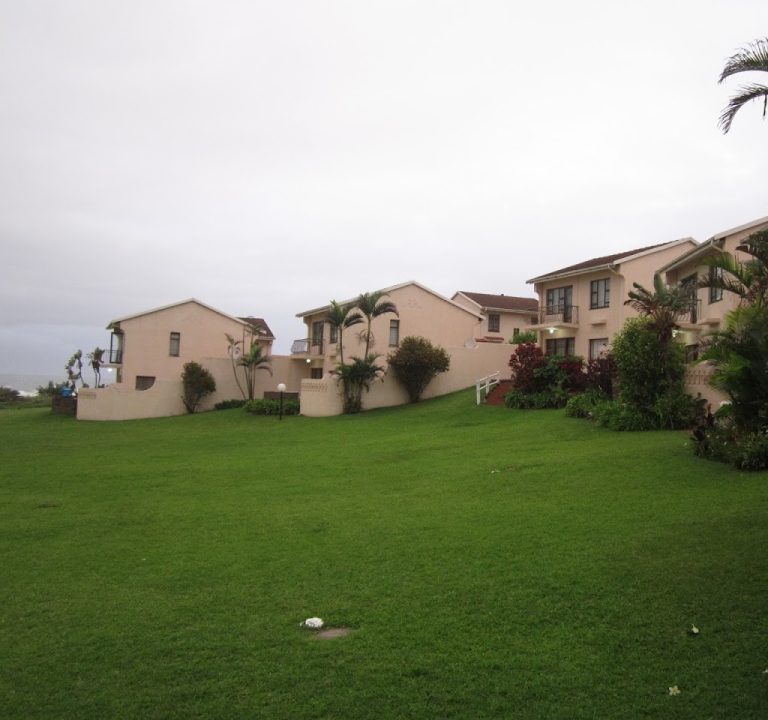
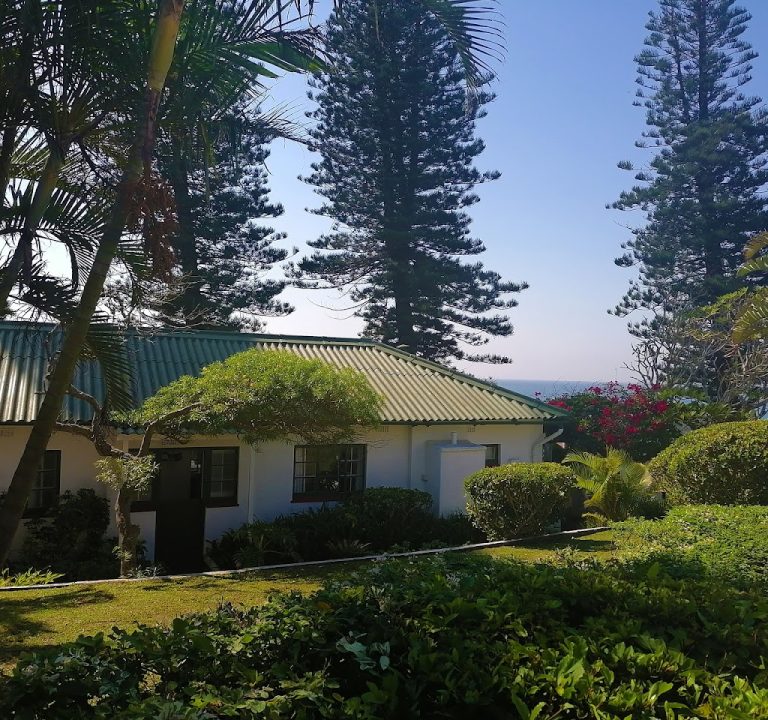
Accommodation options in and around Port Edward range from self-catering chalets and cottages to guesthouses and small lodges perched along the coastline or set back in tranquil residential streets. Self-catering options such as Seaverge Chalets offer the freedom to plan meals at your own pace, while family-friendly guesthouses provide daily housekeeping, shared lounges, and easy access to beaches and scenic viewpoints. When selecting a place to stay, consider factors such as proximity to the main coastal strand, easy access to the N2 highway, and the availability of private parking. If you’re travelling with children or larger groups, look for ample living space, secure outdoor areas, and clear policies on late check-ins and quiet hours.
Areas to consider when planning your stay include beachfront zones for sunrise walks and short walks to the water, as well as inland pockets where accommodation may benefit from cooler breezes and forested scenery. If you value a short stroll to the shore, prioritise properties within easy reach of the coast’s public access points. Conversely, if you prefer a more secluded feel or a hillside outlook, search for chalets or cottages perched a little farther from the water with private verandahs and garden spaces.
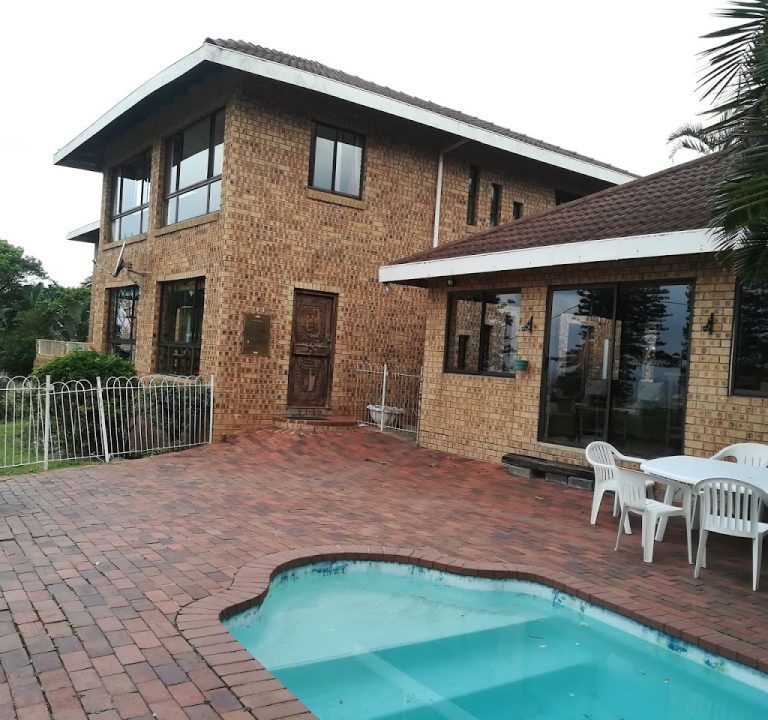
Typical amenities to look for in Port Edward accommodation include fully equipped kitchens or kitchenettes, reliable wi‑fi, private parking, and outdoor spaces such as patios or braai areas. Many self-catering properties provide basic appliances, laundry facilities, and sufficient seating for meals, which makes longer stays more convenient. For guesthouses and lodges, note whether breakfast is included or offered on-site, as well as whether facilities such as a shared lounge, pool, or barbecue area are available. A clear description of security measures, especially for coastal locations, is worth checking before booking.
Transport and getting around are straightforward in Port Edward. A car is the most practical option for most visitors, granting flexibility to explore beaches, nature reserves, and neighbouring towns along the coast. Public transport options are more limited in smaller coastal towns, so arrange airport transfers or car hire in advance if possible. The closest international gateway is typically Durban’s King Shaka International Airport, with a longer drive to Port Edward; some travellers also consider flying into Richards Bay or other regional airports and transferring by car or shuttle. If you plan outdoor activities, confirm access to parking at your lodging and enquire about any local shuttle services to nearby beaches and reserves.
Best time to visit Port Edward generally aligns with the South African coastal climate: the dry, mild winter months (roughly April to September) are popular for outdoor activities and sightseeing, while the summer months bring warmer temperatures and occasional afternoon showers. Whale watching and dolphin sightings are potential highlights during the right seasons, and coastal walks can be particularly pleasant in cooler, breezy weather. If your itinerary includes hikes or nature walks, pack sturdy footwear, light layers, and sun protection. For water-based activities, check local tide times and weather conditions, and book guided options if you prefer a structured experience.
Practical tips to keep in mind include planning with the tides in mind for beach walks and rock pools, booking accommodation well in advance during peak holiday periods, and reviewing cancellation policies given coastal weather can be changeable. When you arrive, introduce yourself to hosts or guesthouse managers to learn about nearby dining options, local eateries, and informal recommendations for scenic spots or day trips. Read guest reviews to gauge how properties handle peak-season crowds, parking, and noise levels. If you’re staying in a self-catering unit, assess the kitchen’s capacity to prepare meals for your party and the availability of grocery stores within a short drive.
Beyond the stay itself, Port Edward offers a welcoming coastal experience with easy access to beaches, walking trails, and the broader KwaZulu-Natal attractions along the South Coast. For dining and evening options, you’ll find informal eateries and cafés that specialise in light meals, seafood, and local fare, typically with relaxed atmospheres that suit families and groups. When planning day trips, consider a visit to nearby nature reserves or coastal viewpoints to capture the region’s characteristic sea and green landscapes. For booking, you can explore your chosen accommodation’s official website or reputable travel platforms, which often list nearby experiences and practical guidance for visitors.
- Check whether the property is pet-friendly if you’re travelling with a dog or other companion animal.
- Confirm parking arrangements and security features, especially if you’ll be out during the day for activities.
- Review kitchen facilities and available props for self-catering, including cookware, utensils, and dishware.
- Ask about wi‑fi reliability, as some rural coastal areas have variable connections.
- Plan for flexibility in your itinerary in case of sudden weather changes and keep a few indoor activity options in reserve.