Accommodation and Attractions in Wilderness, Western Cape: A Practical Guide for Travellers
Wilderness, situated along the Garden Route, offers a laid‑back base from which to explore coastal scenery, forested hills and pristine beaches. The town itself is a gateway to both lakes and ocean, making it ideal for travellers who want a balance of restful downtime and easy access to outdoor activities. When planning a stay, consider the different areas within and around Wilderness to match your preferred pace and views: sea‑facing lodges near the fringe of the beach, inland guesthouses nestled among the trees, and family‑friendly hotels close to the main routes.
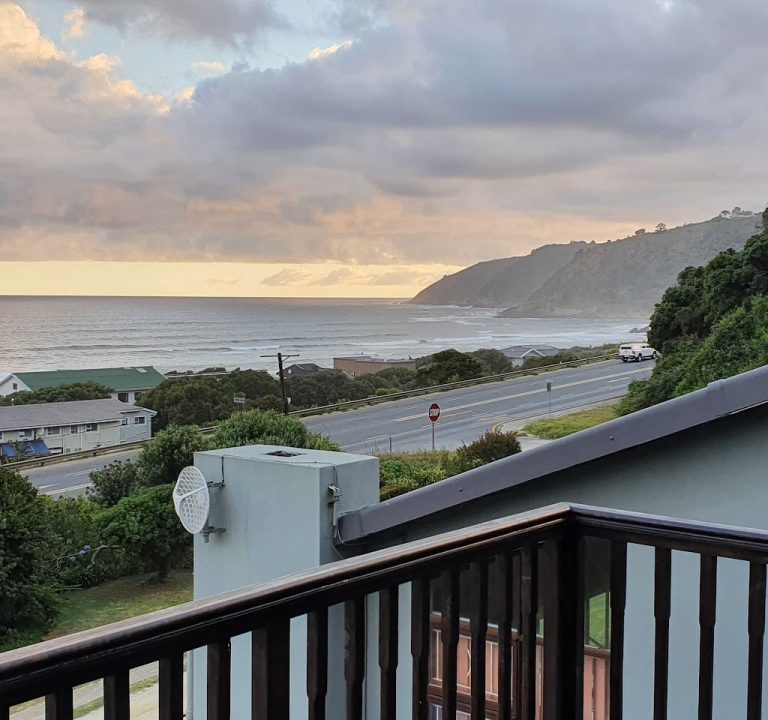
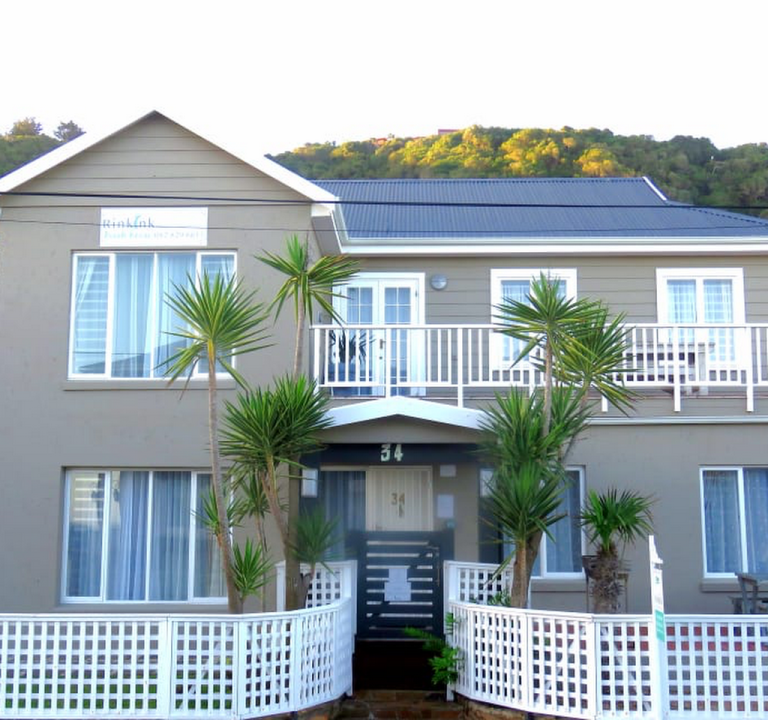
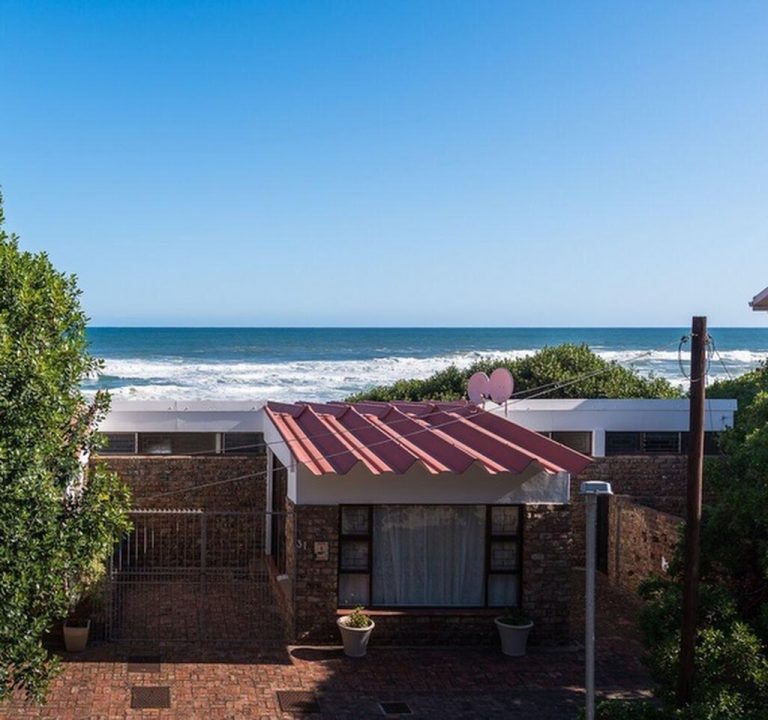
Accommodation options vary from boutique guesthouses and self‑catering homes to small hotels and upscale lodges. One example of a property type you might encounter is Sea La Vie Beach House, which typifies the coastal‑inspired hospitality found in the area. When choosing where to stay, think about what matters most for your trip: ocean proximity for sunrise strolls, tranquil garden or forest settings for relaxation, or a central location with convenient access to shops, eateries and transport links.
What to look for when booking includes room sizes and configuration (especially for families or groups), on‑site amenities such as free Wi‑Fi, parking, and secure access, and whether the property offers self‑catering facilities or continental breakfast options. Many places in Wilderness provide communal spaces, outdoor decks, and easy access to walking trails. If you plan to drive, confirm parking availability and whether the property offers vehicle charging or shuttle services. For longer stays, consider properties with laundry facilities and kitchen access, which can greatly improve convenience and cost efficiency.
Typical amenities you may encounter include comfortable beds with quality linens, private or balcony spaces with sea or forest views, well‑equipped kitchens or kitchenettes, and practical touches such as air conditioning or heating, blackout curtains, and sufficient storage. A few properties emphasise eco‑friendly practices, such as water conservation and recycling initiatives, which can be a plus if you’re seeking a low‑impact trip. Accessibility features are worth checking if required, including ground‑floor rooms or lifts where applicable.
Transport in and around Wilderness is straightforward but varies by season. The town is walkable in many parts, with pleasant coastal paths and forest trails nearby. If you’re renting a car, most accommodations provide parking, but consider proximity to the main road or the N2 if you plan day trips along the Garden Route. For travellers relying on public transport, it’s helpful to map out routes to neighbouring towns and nature reserves in advance, since services can be limited between peak holiday periods. A local hire car or organised transfers can offer flexibility for early starts to reserve trails or boat excursions.
Best time to visit Wilderness tends to be during the spring and autumn shoulder periods when weather is mild and the scenery is lush. Summer brings warmer sea conditions and longer daylight hours, which are perfect for beach days and water‑based activities. Winter is cooler and often quieter, with a dramatic change in scenery as mist rolls in over the lake and fynbos blooms reduce in intensity. Regardless of season, pack layers, comfortable walking shoes, sun protection, and a light waterproof layer for changeable coastal weather.
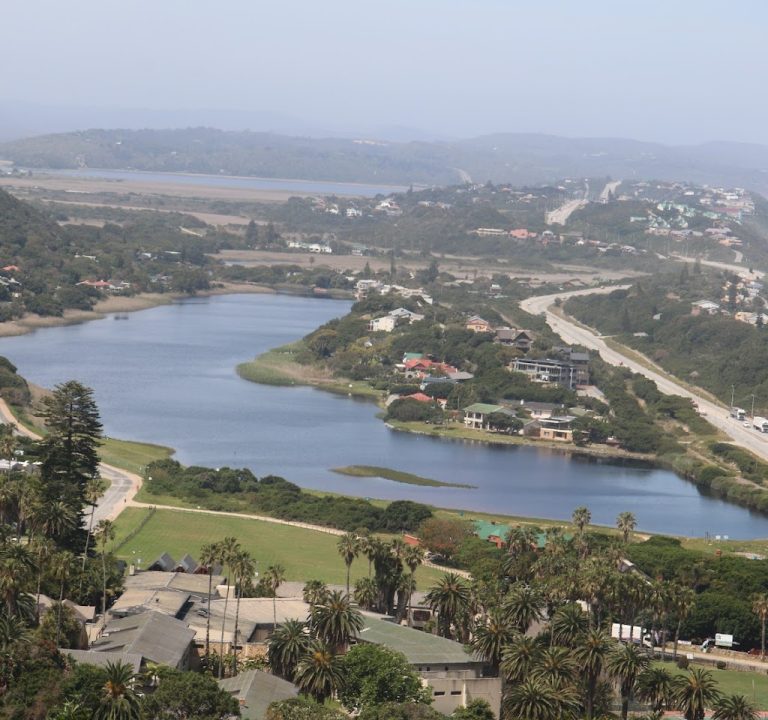
Activities and experiences to consider while staying in Wilderness include exploring the lakes and wetlands on tranquil boat trips or guided nature walks, enjoying forest paths that wind through tall trees and birdlife, and observing the coastline from vantage points along clifftops. For a day out, you can base a visit on scenic drives to nearby towns along the Garden Route, with opportunities to stop for picnics, short hikes, and local markets. While we won’t list specific operators or prices, it’s common to find guided walks, water‑based adventures, and food experiences that showcase regional produce and seaside flavours.
Dining is typically relaxed and vibrant, with restaurants and cafés ranging from casual seaside eateries to refined dining rooms that focus on seasonal ingredients. Expect menus featuring fresh seafood, locally grown vegetables, and dishes that reflect the coastal climate. Many venues offer al‑fresco seating, which is ideal for enjoying warm evenings and the natural surrounds. If you prefer self‑catering, several accommodations provide well‑appointed kitchens or kitchenettes, making it easy to prepare light meals after a day out on the trails or the beach.
Practical tips for a smooth stay:
- Book early for peak holiday periods to secure a room with the view and layout you prefer.
- Ask about breakfast options, kitchen facilities, and parking arrangements before finalising a booking.
- Check the distance to shops, petrol stations, and medical facilities, especially if you’re staying in a quieter part of town.
- Consider a mix of inland and coastal days to maximise biodiversity and scenery while keeping travel time manageable.
- Plan day trips around tides and weather when arranging coastal activities or boat excursions.
Wilderness remains a destination that rewards a relaxed approach. Whether your focus is restful beachside downtime, forest walks, or exploring the broader Garden Route, choosing the right accommodation and planning a balanced itinerary will help you make the most of a stay in this scenic corner of the Western Cape. For a first‑time visitor, a stay that blends sea views with easy access to transport routes and local dining is often the most rewarding way to experience Wilderness and its surrounding landscapes.