Accommodation and Experiences in Cape Town: Where to Stay and What to Do
Cape Town blends natural splendour with a vibrant urban heartbeat, making it a destination where your choice of accommodation can shape your whole experience. From stylish boutique stays to family-friendly guesthouses and larger hotels, the city offers options across neighbourhoods that suit different interests and budgets. When planning a stay, consider proximity to the places you most want to explore, ease of transport, and the level of amenities you prefer, such as on-site dining, parking, or a pool with views of the harbour or the mountains.
One practical approach is to base yourself in a few key areas for different days. The City Bowl and Table Mountain foothills offer easy access to central sights, museums, and markets, with a mix of modern hotels and charming B&Bs. The Atlantic Seaboard, including areas near Camps Bay and Clifton, is ideal if you want beach access and sunset hours by the ocean. Constantia and the eastern suburbs provide a more relaxed, leafy setting with wine estates nearby and more spacious properties, while Green Point and the V&A Waterfront area place you within walking distance of the harbour, contemporary dining, and vibrant nightlife. If you are travelling with family, look for properties with larger rooms or suites, child-friendly spaces, and secure parking.
When choosing accommodation, look for a few common features that make stays smoother. A reliable hot water supply and good climate control are essential in Cape Town’s varied weather. Free Wi-Fi, in-room tea and coffee facilities, and comfortable beds are standard expectations, but you may also value on-site parking, a 24-hour reception, a pool or outdoor space, and breakfast included. Some guests favour properties with easy access to public transport or shuttle services to popular day trips. If you plan excursions to the Cape Peninsula, Cape Point, or Winelands, ask the property about organised tours or in-house recommendations.
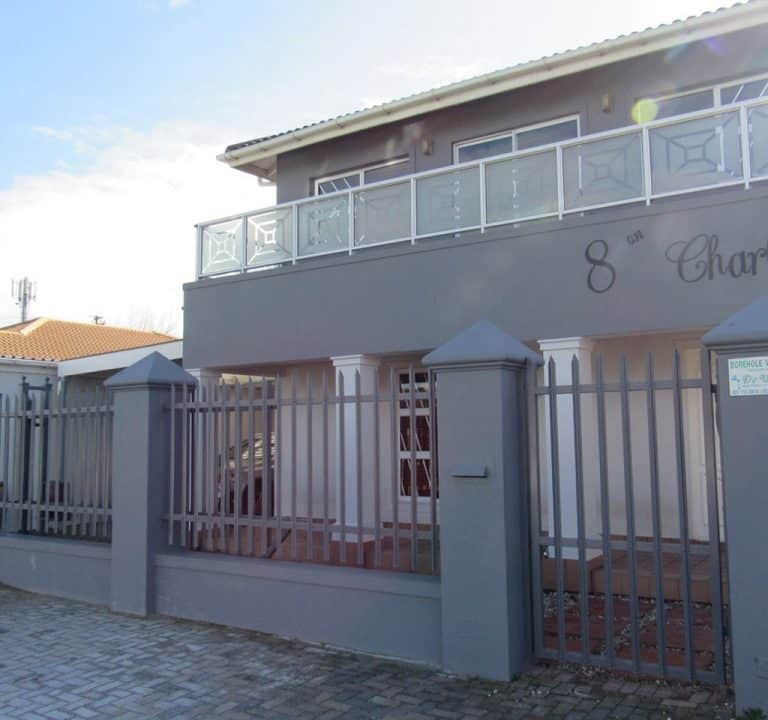
For example, Saveworld Retreat represents the kind of city-based property that can suit travellers seeking clean, comfortable rooms with a personal touch. While detailed information and availability can vary, properties like this typically offer essential conveniences and a friendly, local feel that supports a relaxed base for exploring both urban highlights and nature on the doorstep.
Transport in Cape Town is well set up for visitors. The MyCiTi bus network covers many parts of the city and can be a convenient way to reach beaches, the V&A Waterfront, and Table Mountain cable car base. Taxis and rideshares are widely available, and many guesthouses and hotels can arrange transfers or provide parking if you travel by car. If you plan to drive the scenic routes along the Atlantic coast or to winelands around Constantia and Stellenbosch, a car can be a useful backup. Be mindful of peak traffic times, particularly around the harbour and central business district, and always secure your belongings when parking in busy areas.
Best time to visit Cape Town depends on your priorities. The summer months (November to February) bring longer days, warm beach weather, and lively outdoor events, but they are also the city’s peak season and prices can be higher. Spring (September and October) and autumn (March and April) offer milder weather and fewer crowds, ideal for hiking up Table Mountain, visiting Kirstenbosch Botanical Gardens, and enjoying coastal walks. Winter (June to August) is cooler and breezier, with occasional rain, yet it can be a good time to find value-led deals and enjoy the city’s indoor attractions, cafés, and museums.
Accommodations a traveller might consider range from boutique hotels with city views to guesthouses tucked into quiet residential streets. When planning a stay, think about what matters most: do you want a strong breakfast and a social atmosphere, or a peaceful, unfussy room with easy access to transport links? Many properties also offer added comforts such as pool areas, sun decks, or balconies overlooking the bay or mountains, which can greatly enhance a morning coffee or an evening glass of wine after a day of exploring.
Placements near attractions can help you maximise your time. The iconic Table Mountain summit and a ride on the cable car are often at the top of visitors’ lists, and the adjacent paths provide striking viewpoints and photo opportunities. The V&A Waterfront is a hub for shopping and dining with a harbour backdrop, while the Kirstenbosch National Botanical Garden offers scenic trails and picnic spots against a backdrop of mountain scenery. For wildlife and coastal scenery, a trip to the Cape Peninsula or the penguin colony at Boulders Beach provides memorable day trips. Weather permitting, coastal walks along the Atlantic Seaboard deliver sea breezes and striking vistas, while the Constantia valley is ideal for a relaxed day among historic estates and green hills.
Dining in Cape Town ranges from casual cafés to refined restaurants focusing on modern South African cuisine and fresh seafood. In general terms, visitors will find venues that highlight seasonal ingredients and wine from nearby regions, complemented by views of the ocean or Table Mountain. When researching where to eat, consider reservations for popular spots, especially in peak season, and be prepared for a mix of plated meals and market-style eateries. Many accommodation providers can offer trusted recommendations and help secure bookings, transfers, or private experiences.
Practical tips for planning your stay include booking a flexible room type if your plans may change, confirming the inclusion of breakfast or parking, and asking about luggage storage if you arrive before check-in or depart after checkout. Pack layers to cope with Cape Town’s fluctuating coastal climate, comfortable walking shoes for hills and uneven pavements, and a reusable water bottle for day trips. Finally, give yourself time to simply wander: charming streets, cafés, markets, and viewpoints can reveal the city’s character as much as its headline attractions.