Jeffreys Bay: Where to Stay and What to Do in a Surfing-And-Seaside Town
Jeffreys Bay in the Eastern Cape is a destination built on its coastline, a friendly community, and a rhythm of days spent by the sea. Whether you arrive for world‑class surfing, long stretches of white sand, or easy access to nature and wildlife, the town offers a range of accommodation styles to suit different budgets and preferences. From intimate guesthouses and self‑catering stays to small hotels and the occasional inland lodge, you can find a base that balances comfort with easy access to the beach and local amenities.
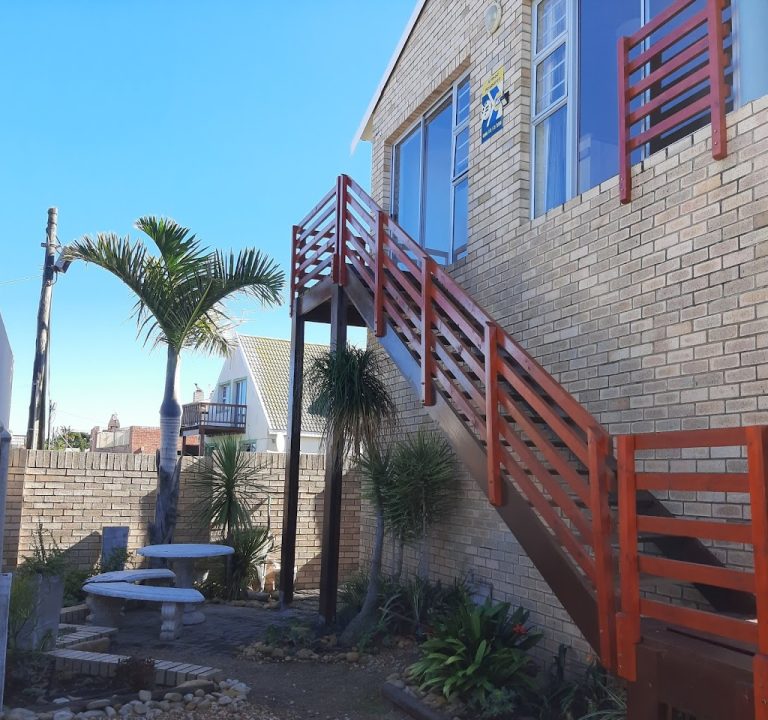
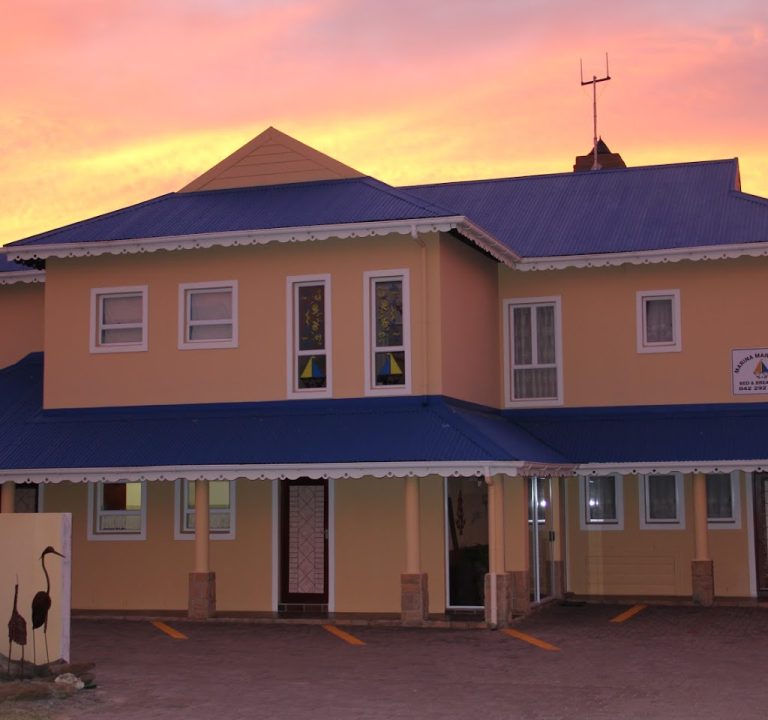
When planning a stay, consider the areas that will best suit your plans. The main town and beachfront zones put you within easy reach of long walks along the coast, reliable access to surf spots, and a lively, safe centre with shops and eateries. If you prefer a quieter ambience, look toward inland or slightly set-back neighbourhoods that offer more space, garden surroundings, and parking. For families or groups, a self‑catering option with a kitchen and private lounge can be a practical choice, while solo travellers or couples might favour guesthouses with a friendly, intimate atmosphere. A notable local option to consider is Saruna Guesthouse, an indoor lodging choice that represents the kind of comfortable, straightforward stay many visitors value in this area.
Booking a place in Jeffreys Bay is less about glitz and more about practicality and convenience. Look for attributes that reduce hassle and maximise your time by the sea: secure parking if you’re hiring a car, direct beach access or near‑beach proximity, functional Wi‑Fi for planning days, and reliable housekeeping. A good host or front desk service can be a real asset, offering local tips on surf conditions, tides, and safe swimming spots. If you travel outside peak season, check whether the property offers flexible cancellation, as weather and surf can influence plans.
Typical amenities you might encounter include en‑suite or shared bathrooms, tea and coffee facilities, clean linen and towels, and a comfortable communal area where guests can swap notes on what to see and do. Kitchen facilities—whether a full self‑catering kitchen or a shared kitchenette—greatly expand your options for dining in after a busy day on the sands. Most properties in Jeffreys Bay will provide some form of air‑conditioning or ceiling fans, given the warm coastal climate, and many guesthouses offer daily cleaning services or secure, private entrances. If you’re driving, confirm parking arrangements and access to public transport for days when you’d rather stroll or cycle along the coast.
Transport is straightforward but best planned in advance. A car is the most convenient way to explore beyond the immediate beachfront area, reach the wide coastline, and venture to nearby estuaries or nature reserves. If you’re not driving, local taxi services and rideshares are available, and some accommodations offer arranging transfers from the nearest airport. Jeffreys Bay is a walkable town in places, but the surrounding area spreads out, so a vehicle will give you the freedom to explore beaches, viewpoints, and local markets at your own pace.
Best time to visit Jeffreys Bay depends on what you want from your trip. The town is renowned for its surfing, with the season aligning with periods of strong swells and favourable winds. For those who prefer calmer sea days and milder crowds, late spring and early autumn can be ideal. Summer brings lively beaches, longer daylight hours, and a relaxed holiday vibe, while the cooler winter months attract wave‑seekers and local wildlife enthusiasts. The climate is generally pleasant throughout the year, but packing a light jacket for breezier evenings and a sunhat for sunny afternoons is sensible in any season.
When it comes to experiences beyond the beach, Jeffreys Bay offers a friendly, small‑town atmosphere with opportunities to enjoy coastal walks, marine viewpoints, and sunset strolls. Dining scenes are varied but typically emphasise fresh, simple seafood dishes, locally sourced produce, and casual cafés with ocean‑facing decks or garden seating. For those who enjoy markets or small independent eateries, a wander through central streets will reveal options ranging from stylish cafés to family‑run inns serving hearty meals. If you’re planning day trips, you can look to nearby coastal towns or nature reserves for birdwatching, hiking, and birding routes along the coastline and estuaries. Always check current local advisories and seasonal advice for water safety and lifeguard coverage when planning beach days.
- Areas to consider: beachfront zones for quick sea access, central town for convenience, or inland neighbourhoods for space and parking.
- What to look for when booking: proximity to the beach, parking, Wi‑Fi reliability, kitchen facilities, and clear access to shops and eateries.
- Typical amenities: en‑suite bathrooms, clean linen, basic kitchen facilities, air‑conditioning or fans, and daily housekeeping where offered.
- Transport tips: a car is highly convenient; confirm parking; consider taxis or rideshares if not driving.
- Best time to visit: plan around surf seasons if you’re chasing waves, or choose spring/autumn for milder crowds and comfortable conditions.
Jeffreys Bay remains a place where a well‑chosen base makes a big difference to the overall experience. Whether your stay centres on long beach days, easy access to surf spots, or peaceful inland evenings, you’ll find accommodation that suits your rhythm. For authoritative planning, consult current travel guides and destination pages for updated listings, opening times, and policy details. With thoughtful preparation, your Jeffreys Bay visit can blend the relaxation of coastal living with the excitement of a surfing‑destination’s culture and scenery.