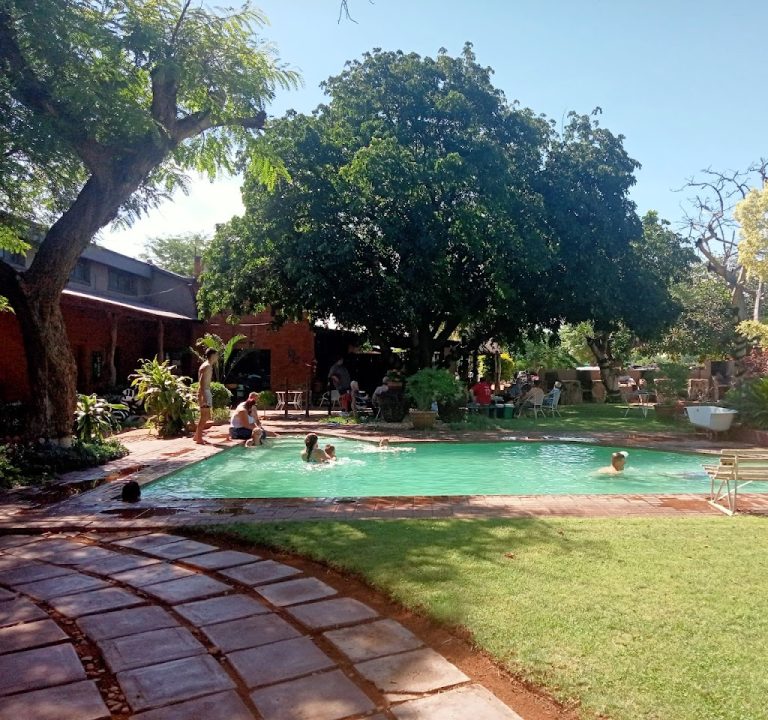
SanWild Wildlife Sanctuary is a Lodge establishment in Gravelotte, Limpopo, South Africa
SanWild Sanctuary: A principled wildlife refuge in Limpopo
SanWild Sanctuary sits across 3,000 hectares of South Africa’s savannah, a long-established reserve in Gravelotte, Limpopo, dedicated to rehabilitation, protection and the long-term wellbeing of wildlife. Unlike a conventional safari camp or a petting experience, SanWild functions as a working wildlife sanctuary where the animals’ needs guide daily operations. The emphasis is on ethical conservation, with limited direct contact with wildlife and an aim to rewild animals wherever feasible.
Visitors who are drawn to authentic conservation may recognise SanWild as a place where humans play a custodial role rather than a display. The sanctuary highlights responsible wildlife care, rescue and rehabilitation, and ongoing protection of endangered species. On the ground, the team and volunteer programmes contribute to practical conservation work, from fence and enclosure maintenance to habitat restoration and field monitoring.
Accommodation at SanWild is designed to support those who come to participate in volunteering and conservation tasks. Volunteers stay on site at SanWild Lodge, with on-site safari tents offering en-suite facilities as part of the programme. For those seeking more privacy or facilities, single occupancy options and a Deluxe tent upgrade with a private sitting area are available for an additional charge. Meals, Wi‑Fi and housekeeping are included as part of the volunteering arrangements, reinforcing the sense of a practical yet comfortable base for field days and early starts in the bush.
The ethos at SanWild is clear: wildlife comes first. The organisation maintains a hands-off approach to animal interaction, with a philosophy that animals should remain as wild as possible. The sanctuary’s work involves rescues, translocations and veterinary interventions when necessary, but these moments are unpredictable and not scheduled as visitor experiences. The focus remains on consistent, day-to-day conservation activity, supported by Scout Ranger Volunteers who help with tasks that support both animal welfare and habitat health.
One of the notable strands of SanWild’s work is its involvement in cheetah conservation. The sanctuary participates in a national cheetah breeding and reintroduction programme, with careful monitoring of free-roaming big cats and collaboration with respected conservation partners. Tracking, collaring checks and field observation are among the activities that volunteers may support, contributing to a larger metapopulation strategy and long-term viability for cheetahs and other species on the reserve.
Rhinos and other large predators feature prominently in the landscape, with careful management that prioritises animal welfare. White rhinos at SanWild are monitored regularly, and horns are dehorned as a protective measure when appropriate, a decision made to reduce poaching risk. All rhinos are fitted with tracking devices, and the reserve’s predator enclosures offer large, natural spaces for predators that cannot be released back into the wild, ensuring environmental enrichment without direct handling or display for visitors.
For travellers curious about how such a sanctuary operates, SanWild’s approach to landscape restoration is instructive. The land’s transformation from former cattle grazing to a recovering savannah underscores the organisation’s broader mission: to restore balanced ecosystems, remove invasive species, stabilise soils and ensure water points are maintained for wildlife throughout the year.
Booking and travel practicalities are tailored to a conservation-focused experience. The volunteering programme operates year-round, starting and ending on Mondays, with transfers from Hoedspruit’s air hub provided on programme start and end days. Additional transfers can be arranged for other days, subject to availability and charges. The programme fee is not a traditional safari tariff; it funds on-site conservation work and covers accommodation, meals, basic facilities, and practical involvement in day-to-day sanctuary operations. Prospective volunteers should be aware that this is a practical, hands-on experience in a working sanctuary rather than a fixed itinerary or safari holiday.
SanWild’s location in the Waterberg region places it within reach of notable natural history and wilderness experiences, while the emphasis remains firmly on ethical conservation and animal welfare. The sanctuary underlines its commitment to the animals’ autonomy by avoiding wildlife displays and close-contact interactions. For those interested in a meaningful conservation journey, SanWild offers an opportunity to observe the realities of field-based wildlife protection, habitat restoration and species recovery, all guided by experienced staff and a dedicated volunteer community.
Travel tips and practical considerations:
- Fly into Hoedspruit (HDS) and arrange Mondays transfers to the reserve; these transfers are complimentary on programme start and end dates, with other days available for a fee.
- Self-driving from Johannesburg is possible but longer; a careful itinerary is recommended given the distance and road conditions.
- Expect a working sanctuary environment rather than a traditional resort. The focus is on conservation priorities, with flexible daily plans shaped by operational needs.
- Ensure international health insurance is in place, and bring personal health provisions as advised by travel professionals.
- Website resources offer detailed FAQs on the Scout Ranger Volunteer programme, including what is included in the fee and what is not.
For those seeking further information about volunteering, conservation work, and how to apply, the official SanWild site provides extensive materials and direct application links. The sanctuary presents itself as a rare example of ethical, field-based conservation in practice—an entity where the land’s guardianship and the animals’ welfare shape every decision, and visitors may contribute by supporting the work, rather than by seeking a conventional wildlife encounter.
Website: SanWild Sanctuary.
Gravelotte
Limpopo
0895
South Africa


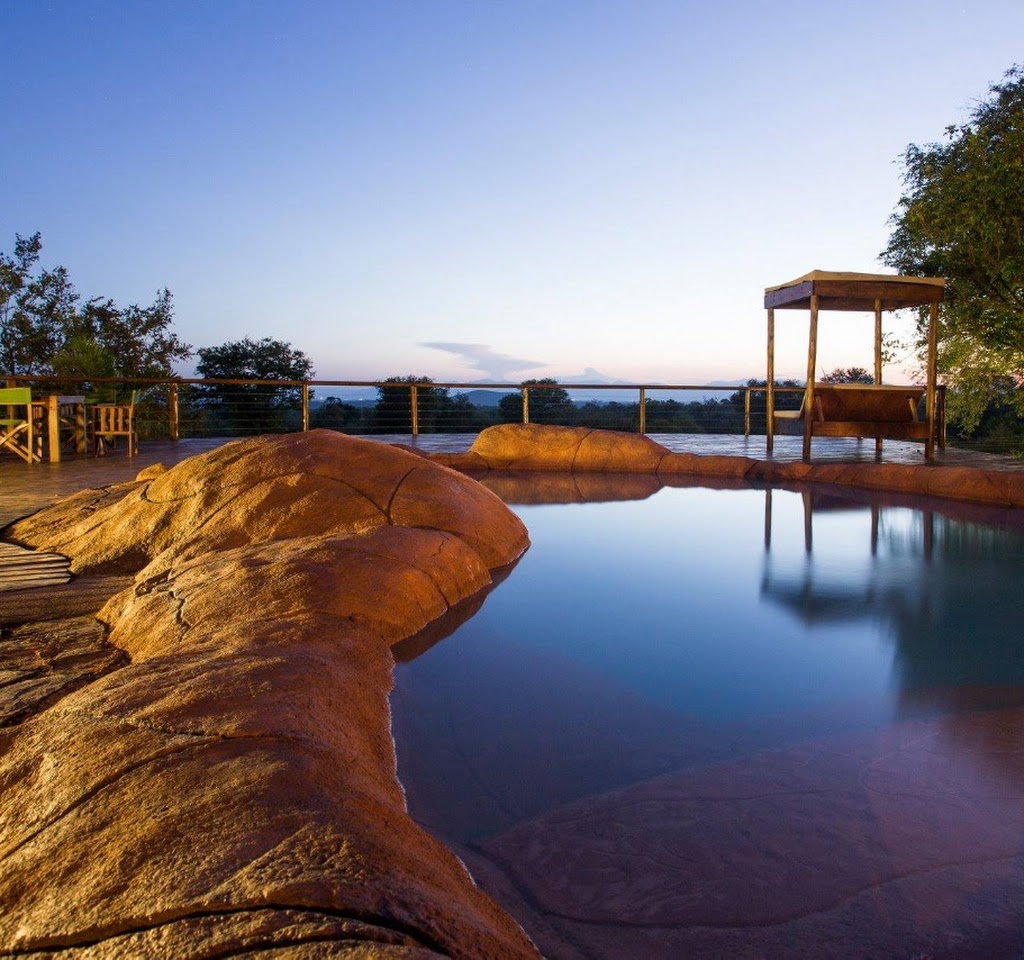


Staying and Exploring Gravelotte, Limpopo: where to stay, what to do, and practical planning tips
Nestled in the northern reaches of Limpopo, Gravelotte offers a rustic gateway to South Africa’s savannah counties, with easy access to wildlife reserves, historic battle sites, and the broader Kruger region. Booking your stay here is all about balancing immersion in rural life with reliable comfort. Whether you’re travelling solo, as a couple, or with family, Gravelotte and its surrounding areas provide lodges, guesthouses and self-catering retreats that cater to a variety of budgets and preferences. The following guidance is designed to help you plan a well-rounded visit, maximise your time in the area and enjoy the best that this corner of Limpopo has to offer.
Accommodation options tend to cluster around the Gravelotte area and the wider Mopani district, where lodges and guesthouses emphasise spacious rooms, outdoor living areas and access to natural scenery. Common features you can expect include en-suite bathrooms, air conditioning or fans, secure parking, and guided or self-guided nature excursions. Many properties offer breakfast or full-board options, with some arranging sunset safaris, guided walks, or visits to nearby reserves. If you are seeking a more immersive conservation experience, look for places that partner with local wildlife projects or sanctuary programmes, such as those that support ethical, hands-off wildlife viewing and community conservation initiatives. For a stay with lighter touchpoints, self-catering cottages or boutique guesthouses provide flexibility while still placing you within convenient reach of the region’s attractions.
When choosing where to stay, consider the layout of the area you wish to explore. Gravelotte itself is a quiet base, making it ideal for visitors who want a relaxed village atmosphere with easy day trips to game reserves and historic sites. If you’re aiming for a broader wildlife itinerary, select a base that provides straightforward access to the major reserves in the region or to the drive routes that link Gravelotte with Hoedspruit and the Greater Kruger area. Proximity to roads and air connections often matters more here than in more tourist-heavy hubs, so an accommodation with straightforward paved access and on-site parking can save you time and stress.
Typical amenities to look for include reliable air conditioning or ceiling fans, protected outdoor spaces, swimming pools or shaded verandas, and well-equipped kitchens or dining spaces for self-catering stays. Wi‑Fi access is useful for planning daily activities, but don’t expect a five-star connectivity experience in every rural lodge. Many properties embrace a relaxed pace of life with generous communal spaces, outdoor braai (barbecue) facilities, and nature-inspired decor that lets you feel connected to the landscape without sacrificing comfort.
Planning a visit around best times to travel is sensible in this region. The Limpopo climate brings hot summers and cooler dry seasons. Peak wildlife viewing often coincides with the dry season when animals gather around water sources, and the foliage is less dense. The shoulder seasons can offer pleasant weather and fewer crowds, while the rainy months bring vibrant landscapes but more variable road conditions. If you plan to combine outdoor activities with wildlife watching, consult your accommodation host about seasonal conditions, including road accessibility and the availability of guided excursions. For international travellers, consider the practicalities of flights to regional gateways such as Hoedspruit or the Kruger area, and plan your onward transfer to Gravelotte accordingly.
Transport planning is essential. Public transport options are limited in more rural parts of Limpopo, so most visitors rely on private hires, rental cars, or organised transfers arranged by their lodging. If you’re using a self-drive approach, ensure your vehicle is suitable for gravel and rural roads, especially after rain. Some lodges offer airport transfers or meet-and-greet services, which can simplify arrival logistics. When booking, confirm what is included in your rates, such as daily housekeeping, meals, laundry services, or guided experiences, to avoid unexpected extras during your stay.
Attractions in and around Gravelotte are best framed as a combination of nature, heritage, and authentic South African hospitality. In the wider region, you’ll find opportunities for nature walks, birdwatching, and day trips to wildlife sanctuaries where responsible conservation and education are emphasised. For a deeper connection with the landscape, consider experiences that highlight conservation work and community involvement, rather than purely traditional “safari” experiences. Dining in the area tends to be informal and hearty, with eateries offering traditional meat dishes, fresh produce, and craft beverages. In practice, excellent meals are often the product of thoughtful regional sourcing and a welcoming, relaxed service style, rather than high-gloss fine dining. If you’re seeking more curated experiences, many lodges host scheduled al fresco dinners or sunset sittings that showcase the surrounding scenery and wildlife rhythms without becoming overly formal.
One accessible way to enrich a Gravelotte stay is to combine your lodging with a visit to a wildlife sanctuary or conservation project in the area. These experiences provide a respectful, education-focused alternative to more conventional tourist activities, and they offer insight into ongoing regional conservation efforts. For example, a sanctuary with established guest and volunteer programmes may feature guided interpretation, safe wildlife viewing on designated routes, and opportunities to learn about rehabilitation and rewilding work. If available, you can explore volunteering or collaborative learning options ahead of time via the sanctuary’s official site or partner organisations. For further information and to see how sustainable hospitality can complement conservation, you can explore SanWild Sanctuary's ongoing work and its approach to visitor engagement through their website: http://www.sanwild.org/ .
Practical tips for a smooth Gravelotte stay:
- Check the distance from your lodging to key rural roads and reserve entrances to avoid long drives on unfamiliar tracks.
- Confirm meal inclusions and dietary options in advance to ensure smooth planning for evenings in and around the lodge.
- Pack layers for hot days and cooler evenings; evenings can be chilly, especially in open countryside.
- Bring suitable footwear for bush walks and non-slip trails.
- Respect wildlife viewing guidelines and exercise patience; the best sightings often occur early in the day or at dusk.
In summary, Gravelotte offers a satisfying blend of rustic tranquillity, wildlife proximity, and accessible outdoor exploration. With careful selection of a well-equipped base, informed planning around transport and timing, and openness to conservation-minded experiences, you can enjoy a rewarding stay that honours the natural environment and supports local communities. For more on conservation-focused experiences and how to plan a stay that aligns with ethical wildlife practices, look to lodge and sanctuary websites, and consider linking your visit to programmes that emphasise habitat restoration, wildlife welfare and responsible tourism.
Sorry, no records were found. Please adjust your search criteria and try again.
Sorry, unable to load the Maps API.
Why Claim Your Listing?
Claiming your listing on the B&B Finder directory website is a valuable opportunity for business owners. Here are five reasons why you should consider claiming your listings:
Control Over Business Information: By claiming their listing, business owners can ensure that all the information presented is accurate and up-to-date. This includes details such as contact information, address, pricing, and available services or amenities. Accurate information helps prevent customer confusion and improves overall satisfaction.
Enhance the Listing: Once a listing is claimed, owners can enhance it by adding more comprehensive information and rich media, like high-quality photos and videos. These additions can make the listing more attractive and engaging to potential customers, thereby increasing the likelihood of bookings.
Marketing Opportunities: Claiming a listing can also open up additional marketing opportunities. Owners may be able to participate in promotional campaigns, special offers, and other marketing activities organized by the directory. This can increase visibility and attract more customers to the business.