St Francis Bay: Where to Stay, What to Do and How to Plan Your Visit
St Francis Bay, on the Eastern Cape coastline, offers a relaxed blend of beachside charm and family-friendly activities. Whether you’re seeking a lodge with sea breezes, a boutique B&B tucked behind dunes, or a contemporary hotel with easy access to the village amenities, the area can accommodate a range of preferences and budgets. The key to a smooth stay is a little planning: choosing the right neighbourhood, understanding typical facilities, and mapping out a loose day-by-day plan that fits the tides and the weather.
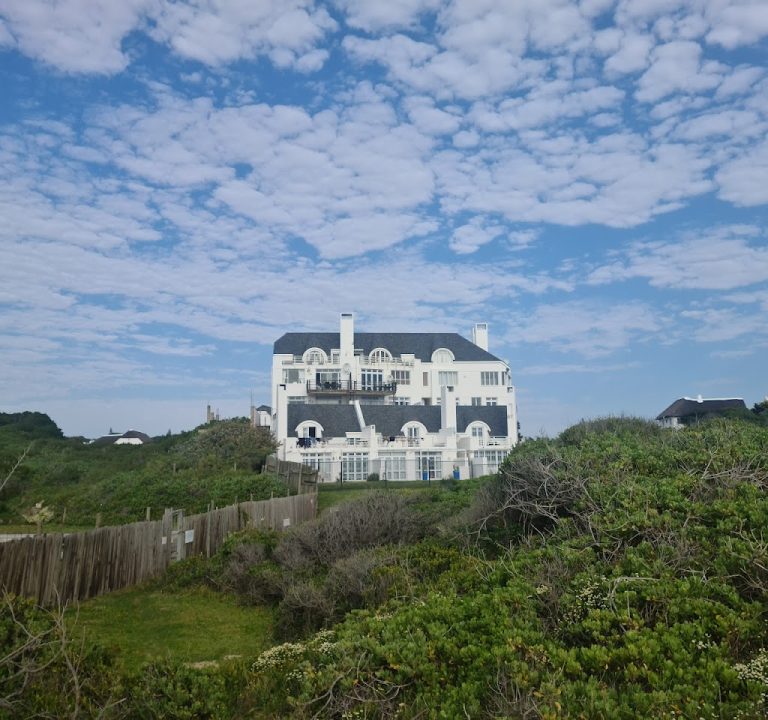
Accommodation in St Francis Bay tends to cluster in a few core areas. The coastal strip and dunes front most of the appeal, with proximity to the beach and the river, while the village centre offers convenience for shops, cafés and casual dining. For those seeking a tranquil retreat, inland options offer larger plots, garden stays and more secluded settings. When booking, look for properties that clearly state access to the beach, safe parking, and good housekeeping practices. If you’re visiting with children or pets, filter results by family-friendly or pet-friendly policies and check for features such as fencing, shaded outdoor spaces, and enclosed gardens.
Typical amenities across reputable places to stay include private balconies or terraces with sea views, well-equipped kitchen facilities or self-catering options, reliable Wi‑Fi, and on-site parking. Many guesthouses and lodges provide daily housekeeping, flexible check-in times, and guest-facing guidance on local tides, nature reserves and safe swimming spots. For hotel-style stays, expect reception services, on-site dining options, and access to common lounge areas. If you have specific needs—wheelchair accessibility, dietary requirements, or late departures—contact the property ahead of booking to confirm suitability and any associated costs.
Transport is straightforward but worth planning. The area is most easily navigated by car, giving you flexibility to explore various beaches, estuaries and viewpoints along the coast. If you prefer not to drive, look for properties with shuttle options to the village or nearby attractions, though public transport is limited. Some travellers combine a stay in St Francis Bay with a wider itinerary along the coast, including neighbouring towns and nature reserves, so it’s sensible to map out a rough driving route and know whether you’ll need a full day for certain trips.
Best time to visit St Francis Bay depends on your priorities. Summer (roughly November to March) brings warm seas and long days, ideal for swimming, kayaking and sunbathing. Winter (June to August) can be cooler and windswept, yet the off-season often means quieter beaches and more personal attention from hosts and guides. Shoulder seasons offer a balance of pleasant weather and fewer crowds. If you’re a keen wildlife watcher, align your plans with local tide tables and reserve opening hours; some activities are tide-dependent, and marine life is often best observed at certain times of day.
When planning activities, organising a mix of light and active days helps maintain momentum without fatigue. A typical agenda might include a morning beach walk or surf lesson, followed by a relaxed lunch in the village. Afternoon options range from boating on the estuary and birdwatching on nearby reserves to challenging nature hikes along coastal trails. For families, safe swimming zones, paddle-boarding, and gentle cycle routes are popular, while adults may prefer a round of golf, a spa visit, or a scenic drive to lookouts with panoramic ocean views. If you enjoy dining out, most accommodation providers help guests locate casual eateries and family-friendly restaurants that showcase local seafood and seasonal produce; plan at least one evening of dining within a short walk or drive from your base.
For those who want to balance rest with discovery, here are practical planning tips:
- Book early for peak seasons and always confirm access features (parking, beach access, stairs, lifts) before finalising arrangements.
- Check tide times and seabreeze patterns, especially if you’ve planned boat trips or estuary activities.
- Ask hosts or property managers for local recommendations on safe swimming spots, protected coves and quiet beaches away from busy areas.
- Consider a mix of self-catering and dining-out days to balance convenience and opportunity to sample local flavours.
- Consult local official tourism sites for current information on permits, access to nature reserves and any seasonal advisories.
Within St Francis Bay, there are several accommodation types that frequently feature in visitor roundups. A boutique lodge or a guesthouse near the dunes can offer a cosy, intimate atmosphere with personalised service. For travellers seeking contemporary comfort and on-site dining, a hotel with a coastal outlook may be preferable. Those planning a longer stay might favour a self-catering apartment or a holiday home, offering flexibility for families or groups. Whichever you choose, look for clear cancellation policies, transparent pricing, and timely responses from hosts or hotel teams.
Finally, consider the broader experience beyond your accommodation. The region’s natural setting—sand, water, and scrubland—offers a backdrop for leisurely exploration and wildlife spotting rather than high-adrenaline adventures. Comfortable footwear, sun protection, and hydration are essential for day trips. For those interested in a more immersive visit, booking a guided walk or a nature drive can enrich your understanding of the area’s coastal ecosystems, while a stroll through the village provides opportunities to observe local life and sample regional hospitality. To plan a stay that feels both restful and rewarding, start with a shortlist of preferred areas, confirm practical details with your chosen property, and build in flexible days to respond to the weather and tides.
Useful resources include official tourism sites and the websites of individual hotels, guesthouses and lodges. A well-chosen base in St Francis Bay can be the foundation for a restorative coastal break that blends relaxation with discovery, leaving you with lasting memories of the Eastern Cape’s coastline. For inspiration and practical planning, you can explore visitor information and select accommodation options at reputable tourism portals and the linked property pages.