Cape Town: Accommodation, Attractions and How to Plan Your Stay
Few cities offer the combination of dramatic natural scenery, cosmopolitan culture and a coastline that shifts from sweeping beaches to rugged cliffs. Cape Town, in the Western Cape of South Africa, is a destination where your choice of base can shape your experience as much as the sights themselves. From stylish self-catering options to intimate guesthouses and modern hotels, there are plenty of places to rest your head after a day spent exploring the Mother City’s table-topped vistas and harbour-side delights.
When choosing where to stay, consider the mood you want and how you plan to spend your days. Areas close to the City Centre and the V&A Waterfront offer convenience for walks, museums and easy access to public transport, while Camps Bay and Clifton provide ocean-front scenery and a more relaxed, upmarket vibe. The Green Point and Gardens neighbourhoods combine walkability with a short hop to major sights, and Constantia offers a leafy, hillside retreat with easy access to wine estates. For a more authentic, residential feel, look for guesthouses or self-catering units in observant, well-served neighbourhoods that feel safe and friendly.
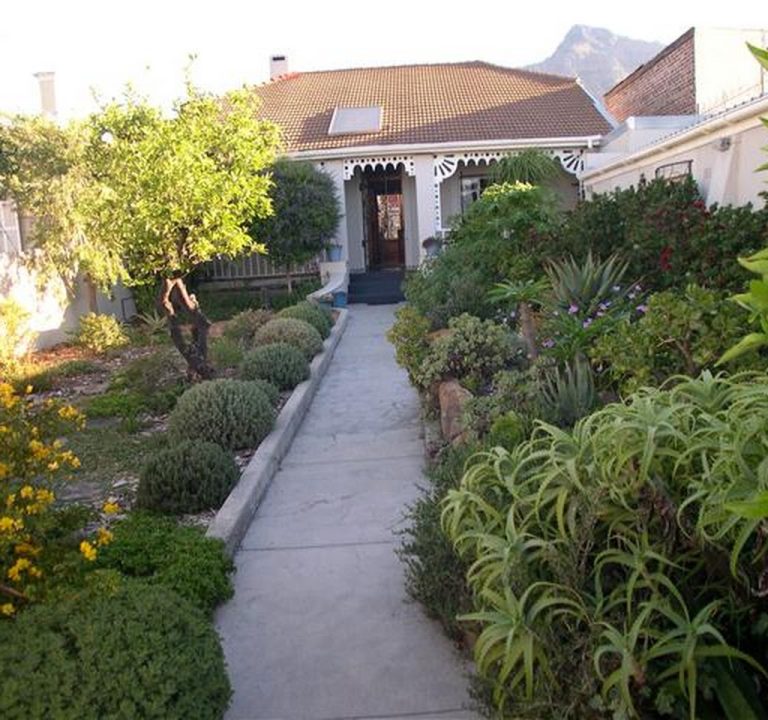
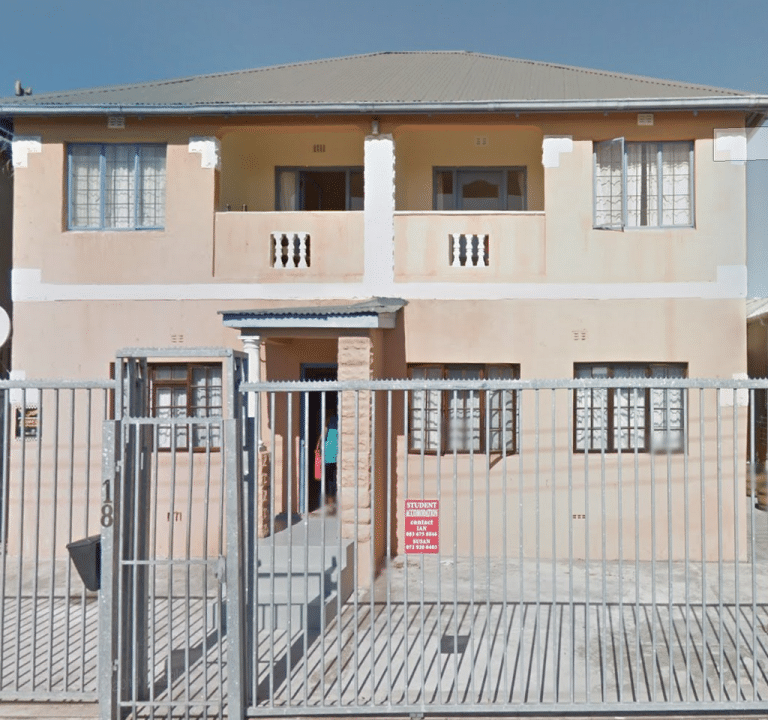
Self-catering options, such as Sandras Guest Rooms, can be particularly convenient in Cape Town. These stays offer flexible schedules, kitchen facilities and the chance to blend rest with home-style meals. When evaluating self-catering or any accommodation, think about accessibility to your daily plans, parking or easy taxi/ride-hailing options, and the security of the building and surrounding streets.
Typical amenities you might encounter include reliable Wi-Fi, heating or air conditioning, in-room kitchen facilities, towels and linen, daily housekeeping options, and access to communal spaces such as lounges or outdoor patios. Pools, rooftop decks, barbecue spaces, and secure parking are common perks that make a stay more comfortable, especially if you plan to spend long days outdoors. A good note for international travellers is to check whether the property provides adequate kitchen equipment if you intend to cook most meals, or if there are nearby supermarkets and restaurants within easy reach.
Transport in Cape Town ranges from taxis and ride-hailing services to MyCiTi buses and car hire. If you are relying on public transport, choose a base within reach of bus routes or within convenient walking distance to popular tram and bus stops. For travellers with a car, ensure your accommodation offers secure parking and easy access to main routes like the N2 and coastal roads that connect to the Cape Peninsula’s attractions. A balanced plan usually includes a mix of days with easy walking and days when you hire a car or book a guided tour to reach more distant sights.
When to visit Cape Town matters for both the crowds and the light. The most popular months are typically the South African summer and early autumn (roughly November to April), when days are long and weather is generally mild. If you prefer quieter periods, consider shoulder seasons when the city is less crowded but still lively, and you can often find better availability and value for accommodation. The surrounding region, including the Cape Winelands, offers excellent day trips throughout the year, though harvest times and weather can influence experiences and accessibility.
Planning a stay in Cape Town also means balancing natural beauty with cultural and culinary experiences. Iconic natural attractions such as a cable-car ascent to a high viewpoint, easy coastal walks, and botanical parks sit alongside cosmopolitan precincts that host markets, galleries, and a range of dining experiences. You might begin with a contemplative morning atop a lookout point, followed by a stroll through historic streets, and finish with a relaxed dinner that reflects South Africa’s diverse culinary traditions. While it is prudent to avoid over-scheduling, a well-paced itinerary helps you enjoy both the outdoors and the city’s lively atmosphere.
Here are a few practical planning tips to help you organise a balanced stay:
- Define a core area for your base (for example, the city centre for easy access to sights, or a hillside neighbourhood for scenic views and tranquillity), then select one or two nearby day trips to keep travel time manageable.
- Book accommodation with flexible cancellation policies where possible, especially if you are travelling during peak seasons or around public holidays.
- Check for essential amenities before arrival (kitchen facilities for self-catering, reliable Wi-Fi for work or streaming, laundry availability, and on-site parking if you will hire a car).
- Plan a mix of indoor and outdoor activities to accommodate changes in weather; Cape Town’s beauty is equally enjoyed in sunshine and softer, cooler conditions.
- Look for properties that provide clear information on transport options, local markets and nearby eateries to help you tailor meals to your plan.
- Consider guided or small-group tours for places that are more easily reached with local knowledge, such as harbour ferries, mountains or nature reserves.
Beyond where you sleep, the city’s attractions and dining scenes offer a spectrum of experiences. You can expect scenic, family-friendly activities to be complemented by curious markets, art galleries and restaurants that celebrate seafood, grilled fare, and contemporary flavours. While exact venues and prices vary, the overarching aim is to enjoy a well-rounded visit that blends iconic vistas with the warmth of South African hospitality. With thoughtful planning, Cape Town can be as relaxed or as adventurous as you wish, and your accommodation can act as a welcoming base from which to explore one of the world’s most captivating coastal cities.