Discovering Cape Town: accommodation, attractions and dining for a memorable stay
Cape Town offers a rich tapestry of experiences wrapped in natural beauty, from iconic landmarks to vibrant neighbourhoods with their own character. When planning a stay, the choice of arrondissement, hotel type or guesthouse, and the surrounding scenery can shape how you spend your days. Whether you favour a sun-kissed beachside pace in Camps Bay, a city-centre buzz in the City Bowl, or a leafy retreat in Constantia, there are options to suit every budget and preference.
Accommodation in Cape Town generally ranges from boutique guesthouses and mid-range hotels to luxurious lodges with sea views. Many properties offer easy access to popular sights and provide handy extras such as complimentary breakfast, parking, free Wi‑Fi, and local insights from hosts or reception staff. When booking, consider whether you want a quiet, residential neighbourhood or a place with nightlife and tapas bars within walking distance. For a balanced experience, think about proximity to a few key areas you plan to explore most days, as the city’s geography can influence travel time and overland routes.
The following areas frequently appeal to travellers and why they might fit your itinerary:
- V&A Waterfront and the harbour precinct for easy access to tours, ferries and waterfront dining.
- City Bowl and Gardens for central convenience, cafés and historic sights within strolling distance.
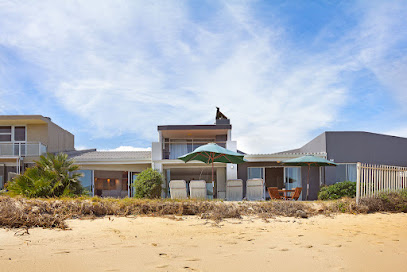
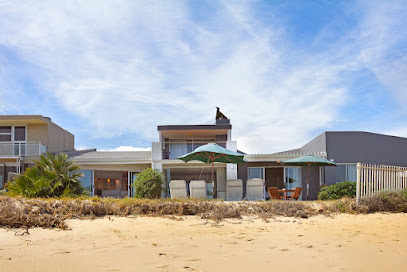
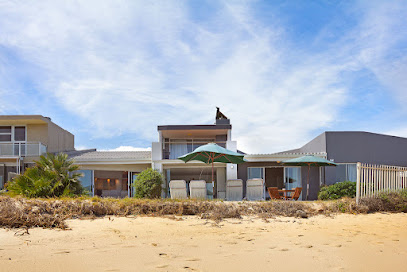
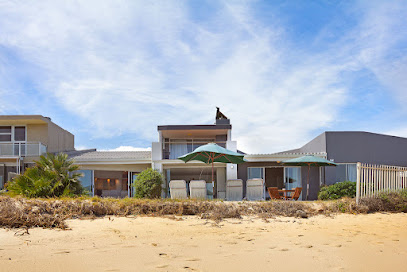
- Camps Bay and Clifton for Cape Town’s best beaches, dramatic sunsets and stylish beach clubs.
- Green Point and the Atlantic Seaboard for a balance of sea views, parks and a short ride to the city centre.
- Constantia Valley for a tranquil escape among vineyards and green hillside scenery.
When booking, look for typical amenities that enhance convenience and comfort. A reliable air‑conditioning or heating system is important for the city’s varying seasons. A well-equipped kitchen or kitchenette can save on meals, while en-suite bathrooms and ample storage help with longer stays. If you’ll be exploring beyond Cape Town, check whether the property offers parking or easy transport links, as some streets in the city centre have restrictions or metered bays. A hosts’ local guidance on walking routes, safety tips and day trips can be particularly valuable for first-time visitors.
Transport around Cape Town is generally straightforward but planning ahead saves time. The MyCiTi bus network offers city routes and some suburbs, while Uber and other ride-hailing apps are widely used. For trips to the Cape Peninsula, including the iconic Atlantic coast and Cape Point, you can opt for organised day tours or hire a car for flexibility. If you intend to visit winelands such as Constantia or nearby Stellenbosch and Franschhoek, a car or a guided tour is essential. Many accommodation providers can arrange airport transfers or recommend trusted drivers, which helps with baggage, luggage, and arrival into peak-season traffic.
The best time to visit Cape Town varies with your plans. Summer (December to February) brings long days, coastal activities, and bustling streets, but also higher prices and more crowds. Spring (September to November) can be a wonderful shoulder season with milder weather and blooming gardens, especially for outdoor attractions such as Table Mountain’s trails or Kirstenbosch National Botanical Garden. Autumn and early winter (March to May) often offer comfortable sightseeing conditions and quieter streets, while winter (June to August) can bring cooler breezes and the chance of rain—great for museums, galleries and indoor experiences. If you’re keen on outdoor pursuits like hiking and coastal walks, the shoulder seasons can provide optimal conditions with fewer crowds.
To get the most from your stay, plan a balanced mix of iconic experiences and quieter moments. A standard day might begin with a sunrise from a vantage point near the hills, followed by a scenic drive along the Atlantic Seaboard or a stroll through a historic district. Lunch could be enjoyed at a casual cafe or a harbour-side venue, with an afternoon exploring a museum, botanical garden, or a nearby nature reserve. In the evening, join a relaxed dinner at a restaurant offering local flavours and fresh seafood, before concluding with a stroll along a promenade or a nightcap at a cosy bar with views of the harbour or sea.
For inspiration on places to stay and to compare options, consider visiting reputable listings that cover a range of Cape Town properties, from boutique guesthouses to family-friendly hotels. These resources usually provide practical guidance on neighbourhoods, security and accessibility, plus practical trip-planning tips. You can also explore broader regional content, including the nearby Cape Winelands and coastal towns, to tailor your itinerary to your interests. For further planning and ideas, you may wish to browse resources such as SA-Venues, a travel guide that highlights accommodation and experiences across South Africa. More information is available at SA-Venues.
In short, Cape Town rewards thoughtful planning: choose a base that suits your style, weigh travel times between the city centre, the beaches, and the winelands, and pair historic sights with modern dining and natural beauty. With a little preparation, your stay can feel both cosmopolitan and intimately connected to the region’s landscapes and flavours.