Johannesburg: a guide to stays, neighbourhoods, and experiences in Gauteng
Johannesburg, often simply called Jo’burg or Jozi by locals, is a dynamic gateway to Gauteng’s history, culture and outdoor spaces. When planning a stay, think about areas that balance easy access to sights with distinctive neighbourhood character. Sandton feels polished and business‑friendly, Rosebank offers shops and leafy streets, while Maboneng and Braamfontein pulse with creative energy and vibrant dining scenes. For a more residential feel, Melville or Greenside can provide a quieter base, and Soweto offers a powerful glimpse into South Africa’s past and present through guided tours and local communities.
Accommodation options range from lodge‑style properties and guesthouses to modern hotels and apartment‑style stays. A lodge such as S1 Kasi Lodge (an example of a lodge‑style property in the region) can offer a cosy, grounded experience, while boutique guesthouses typically blend personalised service with easy access to city highlights. When choosing where to stay, consider not only price and style but practicalities such as transport links, safety, and facilities that match your plans—whether you’re visiting for business, family time, or a cultural break.
What to look for when booking stems from how you intend to move around and what you want to get out of the trip. Good indicators include a central or well‑connected location, reliable security measures, and guest services that align with your plans, such as flexible check‑in times, secure on‑site parking, a hosted breakfast, or a shuttle service for airport transfers. Free Wi‑Fi, quiet rooms, and workspaces can be important for longer stays or digital nomads. If you’re exploring on foot or by ride‑hailing apps, proximity to Uber or Bolt pick‑up points, and easy access to main roads or Gautrain stations, will save time and hassle.
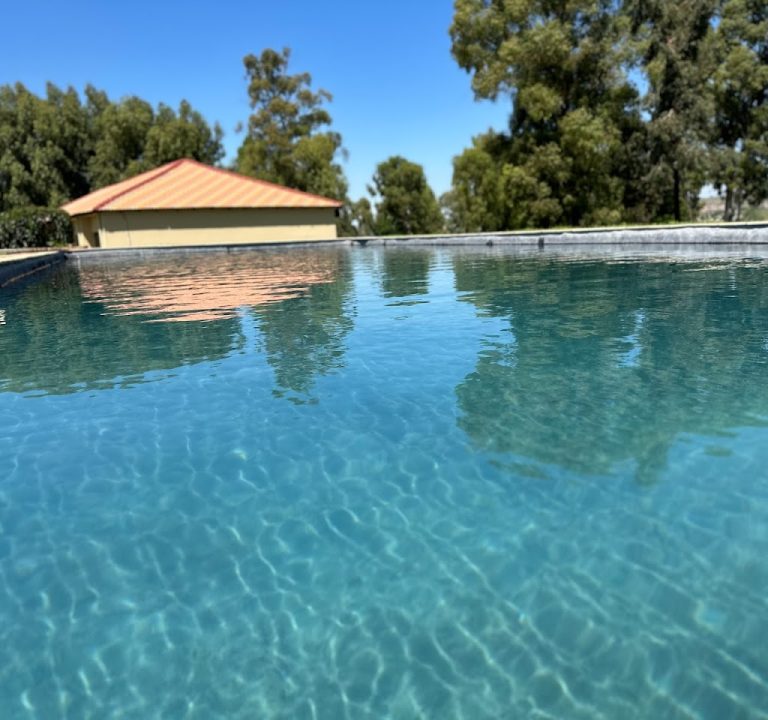
Typical amenities across well‑established Jo’burg properties often include comfortable beds, en-suite bathrooms, air conditioning, tea and coffee facilities, and a choice between self‑catering options or a daily or continental breakfast. Pools, fitness facilities, and in‑house restaurants are common at larger hotels and some lodges, while boutique guesthouses may offer intimate dining experiences or curated local recommendations. If you’re curious about food, Johannesburg’s dining scene spans traditional South African flavours, modern fusion, and international cuisines, with standout options in districts such as Maboneng, Braamfontein, and Rosebank. You’ll also find markets and casual eateries that reflect the city’s diverse communities, making a relaxed lunch or evening meal part of your exploration rather than a separate outing.
Getting around is straightforward, thanks to a well‑developed network. The city sits near OR Tambo International Airport, and the Gautrain provides reliable rail connections to Pretoria and Sandton, making day trips feasible. Within Johannesburg, Uber, Bolt and metered taxis operate widely, and many lodges and hotels offer shuttle services or partnered drivers. If you’re staying in a central area, you may enjoy the flexibility of walking to nearby cafés, galleries and parks, with longer day trips planned by train or ride‑hailing for visits to Soweto, the Apartheid Museum and other heritage sites on the city’s southern and western fringes.
The best time to visit Johannesburg is during the dry winter months from May to August when daytime temperatures are comfortable and rainfall is minimal. Evenings can be cool, so pack a light jacket. Spring (September to November) and autumn (March to May) bring pleasant temperatures and lively outdoor scenes. Summer, while green and lush, can bring thunderstorms, so plan outdoor activities for the mornings or late afternoons when possible.
Practical planning tips to make the most of a city break in Johannesburg:
- Choose a base with convenient access to the Gautrain, main roads or safe, well‑lit streets for evening strolls and dining.
- Book accommodation with reliable security, clear information about local transport options, and guest services that suit your itinerary.
- Allow time for heritage and neighbourhood experiences outside the urban core—township tours, city galleries, and markets offer a tangible sense of the area’s history and creativity.
- Pack a mix of smart casual for dining and comfortable wear for sightseeing, plus a light jacket for cool evenings.
A typical visit might begin with a comfortable stay in a lodge or boutique guesthouse, followed by a day of exploring museums and cultural districts, a culinary evening in a vibrant precinct, and a guided tour to gain context on South Africa’s past and present. For those who wish to plan in advance, official tourism sites and reputable guide services offer curated itineraries and up‑to‑date recommendations on exhibitions, markets, and seasonal events. Whether you’re here for business, heritage, or a family break, Johannesburg’s mix of accommodation, accessibility, and activity ensures there is something to suit every traveller.