Johannesburg: A Guide to Accommodation, Areas, and Getting the Most from Your Stay
Johannesburg (often simply called Jo’burg or Jozi) is a dynamic gateway to South Africa’s rich history, culture and landscape. When planning where to stay, consider the vibe you want, accessibility to key sights, and how you will move around the city. From comfortable B&Bs and boutique guesthouses to design-forward hotels and family-friendly lodges, Johannesburg offers options that suit a range of budgets and trip styles. A presentation of the city’s accommodation landscape below can help you tailor a stay that feels both convenient and memorable.
Areas to consider are central and well-connected districts such as the central business district, Rosebank, Braamfontein, and Melville, as well as the more modern precincts of Sandton and Fourways. In central areas you’ll often find heritage-style guesthouses and small hotels with personalised service, while Sandton and Rosebank are popular for shopping, business facilities, and easy access to the Gautrain station network. Suburban late mornings and evenings may bring a calmer pace, with guesthouses and B&Bs that focus on warm hospitality and convenience to quieter streets yet still within reach of nightlife and dining.
When choosing where to stay, look for practical features that fit your itinerary. Essential considerations include secure on-site parking or easy access to public transport, reliable Wi‑Fi, and clear information about dining options (whether breakfast is included, and if there are 24-hour reception or self-check-in arrangements). If you plan to explore by car, verify parking arrangements; if you’ll rely on taxis or rideshares, check how close your accommodation is to main roads or transport hubs. For longer visits, a room with a small en-suite and a good work area can make a big difference.
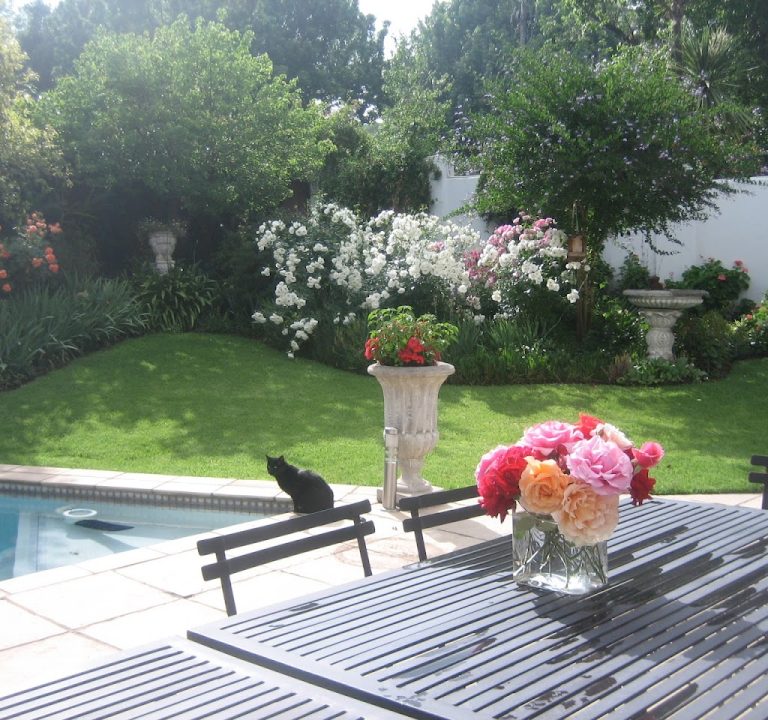
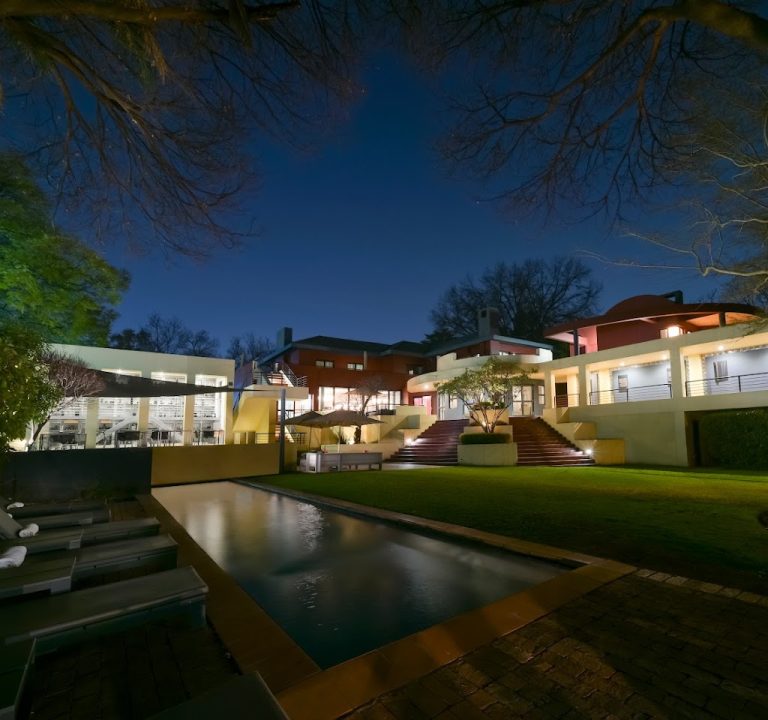
Typical amenities you may encounter in Johannesburg accommodation include complimentary breakfast, private or en-suite bathrooms, safe in-room storage, air conditioning, and facilities such as a lounge, garden, or pool. Some guesthouses and boutique hotels offer curated experiences, from local knowledge notebooks with dining recommendations to guided city walks. Properties with flexible check-in times and helpful staff can be particularly valuable when travel plans shift or weather disrupts outdoor plans.
Transport in Johannesburg is efficient and varied. The Gautrain fast rail network connects the city to O.R. Tambo International Airport and other hubs, making day trips to nearby regions feasible. Within the city, ridesharing services, taxis, and car hire are common. If you plan on visiting multiple neighbourhoods, a location near a Gautrain station or metroline can save travel time. Walking is pleasant in certain areas with pedestrian-friendly streets, but in others you should plan to park or use payment-based transport after dark.
The best time to visit Johannesburg is influenced by the weather and your interests. The city enjoys a warm summer season (October to March) with occasional thunderstorms, and a cooler, dry winter (May to August). Spring and autumn bring pleasant temperatures ideal for city exploration and outdoor markets. If you enjoy markets, street food discoveries, and outdoor galleries, you’ll find spring and autumn to be particularly appealing. Budget travellers may find midweek stays and shoulder seasons offer competitive rates, while peak travel periods around school holidays can be busier.
Practical tips for planning a stay include budgeting for both accommodation and experiences. Many visitors combine a couple of nights in a central B&B or guesthouse with day trips to nearby neighbourhoods or historic sites. Do some advance planning for major attractions—some are best booked with guided tours or on set times, while others allow independent exploration. When dining out, explore a mix of casual eateries, traditional favourites, and modern bistros to experience the city’s culinary breadth without overextending the budget.
In addition to the accommodation, consider a few core experiences to enrich your visit. City sightseeing can include guided tours that focus on Johannesburg’s past and its contemporary culture, creative districts, and markets. A short excursion to a nearby township or heritage site can provide context to the city’s history. For a slower pace, look for parks, gardens, and viewpoints where you can relax after a day of touring. Across the city you’ll also find a range of dining options, from bustling markets to refined restaurants, all offering the chance to sample local flavours and international influences.
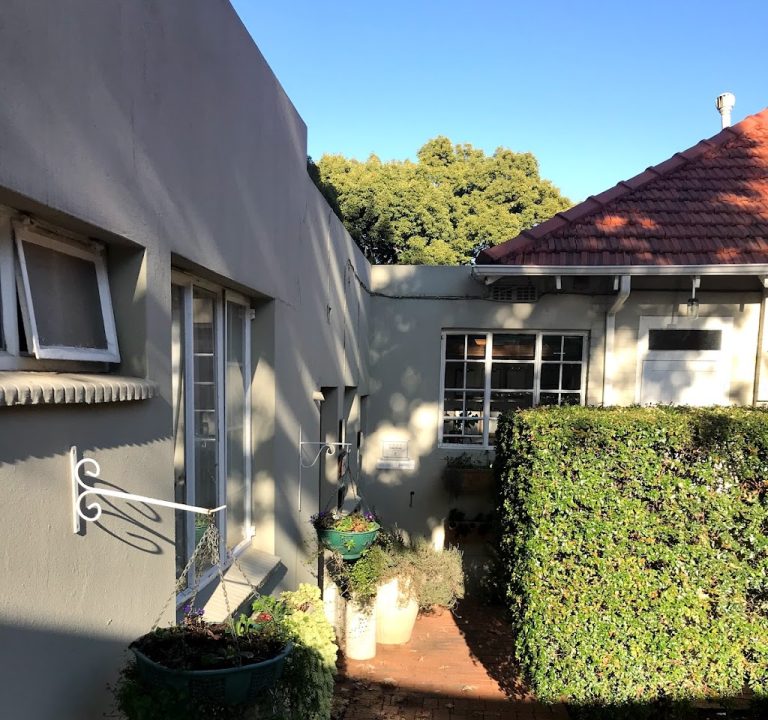
If you are considering a specific property such as a boutique B&B for your stay, you may find it sits within a historic or characterful street, with hosts who can offer tailored tips on what to see and where to eat. A well-positioned bed-and-breakfast can act as a home base for day trips while keeping hospitality simple and intimate. Always confirm the basic logistics in advance—check-in procedures, breakfast inclusion, and what is nearby in terms of cafés, convenience stores, and public transport stops. With thoughtful planning, Johannesburg can deliver a varied and rewarding stay, combining comfortable accommodation with easy, reachable access to its many attractions and dining options.
- Constitution Hill and the city’s constitutional history can be part of a day exploring central precincts
- Heritage and cultural sites in and around Braamfontein and Maboneng
- Markets, galleries, and street-food experiences in inner-city neighbourhoods
- Guided tours or day trips to Soweto and surrounding townships for cultural context