Accommodation and Experiences in Suurbraak, Western Cape: planning your stay
Suurbraak, a small and characterful village nestled in the Western Cape’s Overberg, offers a relaxed retreat from busier tourist hubs. With a landscape that sweeps from riven valleys to rugged mountain slopes, it suits travellers seeking nature, authenticity and easy access to the wider region. When planning a stay, consider both the village core and the surrounding countryside, where guesthouses, camping sites and rural lodges provide very different ways to experience the area.
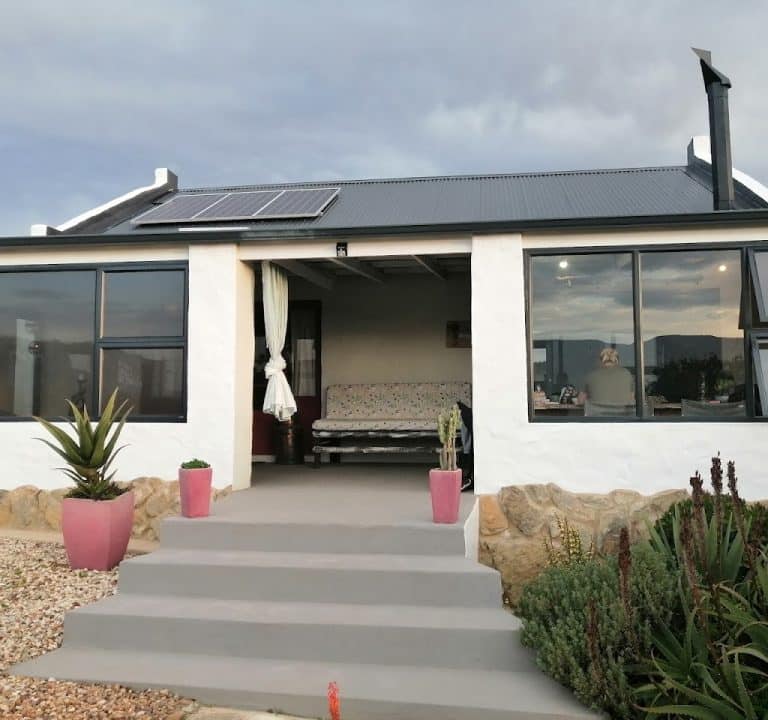
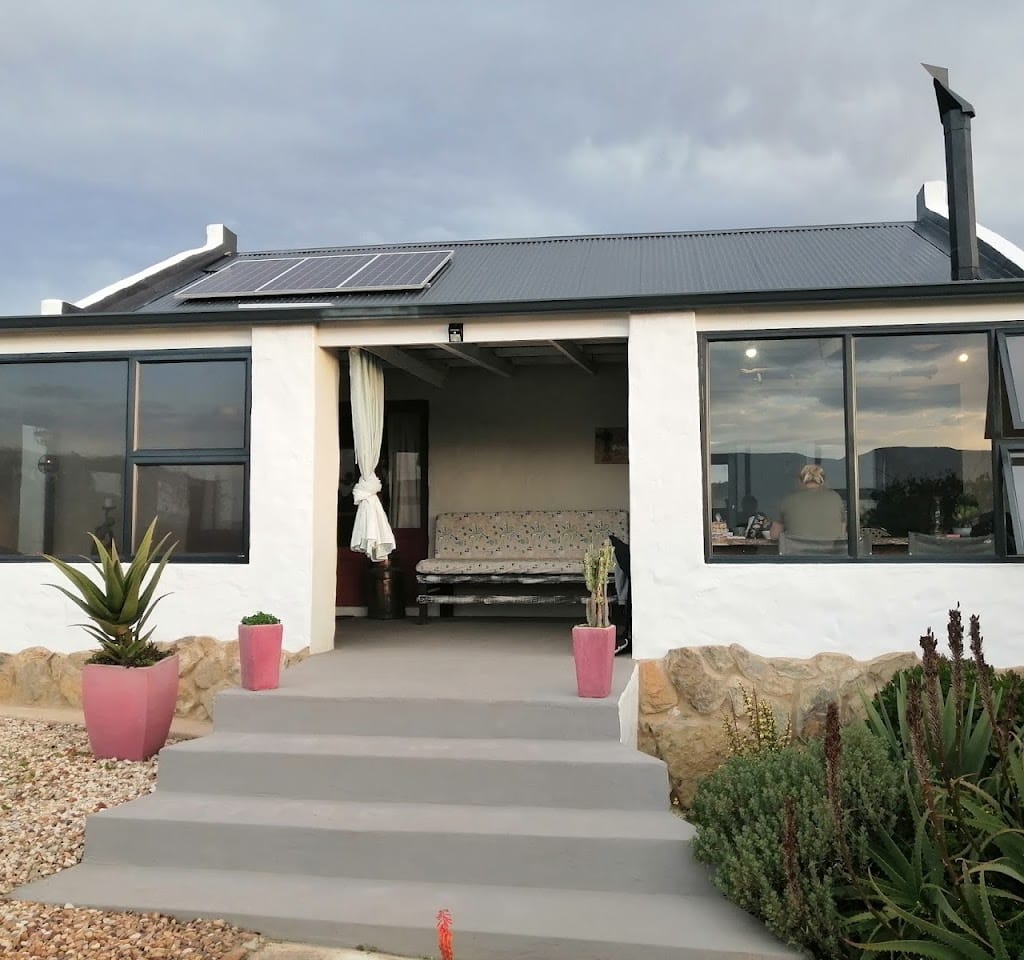
Where to stay and what to look for. In Suurbraak you will find a range of options from rustic camping grounds to self-catering cottages and small guesthouses. When reading listings, think about distance to the village centre, access to off-street parking, and whether the accommodation offers self-catering facilities or on-site dining. If you prefer a quieter rural setting, look for places that sit on the edge of farmland or beneath shade trees, with clear views of the surrounding mountains. For those who enjoy a more social stay, a property with an inviting common area, shared kitchen or outdoor seating can be a nice hub after a day of exploring.
Typical amenities and what they mean for your plans. A comfortable stay in Suurbraak often includes simple but well-maintained essentials: clean en-suite or shared bathrooms, heating or cooling suitable to the season, and reliable hot water for showers after outdoor activities. Self-catering cottages may provide stocked kitchens with basic kitchenware, a fridge and a stove, while camping or lodge sites may offer communal cooking facilities or barbecues. In rural settings, electricity and water supply are important to confirm in advance, as some sites rely on alternative power sources or seasonal water features. wifi availability varies; for many visitors, a day or two offline can be refreshing, while others will appreciate a basic signal for map access and travel communications.
Transport and access. Suurbraak is best reached by car, with most travellers making the journey from nearby towns such as Swellendam or nearby coastal routes. Because public transport is limited in this rural area, a car gives you flexibility to explore surrounding hills, viewpoints and farms. If you are staying at a camping or rural site, check how far it is from the main road and whether there are any seasonal or private access roads. For day trips, plan your routes in advance and allow extra time for winding roads and scenic detours. If you do not drive, consider coordinating private transfers with your accommodation well ahead of your stay, and ask about local taxi options or guided day trips that focus on nature, farms and local crafts.
Best time to visit. The Western Cape experiences a Mediterranean climate with warm summers and cooler winters. Spring and autumn are particularly pleasant in Suurbraak, when temperatures are comfortable for outdoor walking, mountain trails and village strolls. Summer can be lively with longer days, but it may be warmer and drier, while winter brings cooler evenings and brighter skies on clear days. If you are interested in river walks, wildflowers in spring, or simply enjoying quiet evenings in a rural setting, aim for the shoulder seasons to balance weather with costs and crowds.
What to do: attractions and experiences in general terms. Within easy reach of Suurbraak you can enjoy scenic nature walks along river tributaries, hillside trails and panoramic viewpoints. The region’s mountains offer opportunities for day hikes and short circuits that range from gentle strolls to more vigorous routes. A short drive away, visitors can often explore local farms and agricultural landscapes, where the pace of life feels closer to the land. In the village itself, you may encounter traditional architecture and a close-knit community atmosphere that provides a sense of place and history. For a broader experience, consider day trips to nearby towns or nature reserves that showcase the Overberg’s diversity—from coastal scenery to verdant valleys and fynbos-rich landscapes.
Where to eat and savour local flavours. Dining in Suurbraak ranges from simple café meals to farm-to-table options at nearby venues. Expect light, honest fare that emphasises fresh ingredients sourced from regional farms, orchard harvests and garden produce. Many visitors enjoy a relaxed dinner setting after a day outdoors, whether it’s a cosy meal in a village guesthouse, a small bistro ambience, or a communal barbecue at a camping site. If you are staying on a self-catering property, you can enjoy the convenience of cooking with seasonal produce bought locally or from nearby farm stalls. For a broader choice, look to towns a short drive away where regional cuisine and hospitality continue to reflect the Western Cape’s agricultural heritage.
Planning tips to maximise your stay. Before you go, confirm what your chosen accommodation provides and what you may need to bring. Pack layers for cooler mornings and evenings, a sturdy pair of walking shoes, a reusable water bottle, and a camera to capture the valley’s changing light. Check driving times and road conditions if you plan to venture into surrounding areas, and budget time for scenic detours rather than rushing between spots. Light, flexible itineraries work well in rural settings, letting you linger where you feel inspired and move on when the weather shifts.
- Book accommodation with clear information about parking, access, and any on-site facilities (kitchen, laundry, or dining options).
- Choose locations based on preferred pace—quiet rural surroundings versus village proximity and social spaces.
- Prepare for limited mobile signal in some parts and prioritise essential communications before arrival.
- Consider a mix of nature activities, local food experiences, and restful downtime to balance an energising itinerary.
For those seeking a grounded base in the Western Cape’s rustic heart, Suurbraak offers a calm gateway to nature, small-town charm and the chance to explore the broader Overberg region at a gentle pace. With thoughtful planning, your stay can feel both rejuvenating and authentically South African.