Accommodation and Experiences in Ceres, Western Cape: Planning Your Stay
Ceres, tucked in the Klein Karoo foothills of the Western Cape, offers a relaxing base for exploring the valley’s orchards, mountain scenery and rural hospitality. When planning a stay, think about how you want to structure your time: a calm countryside escape, a base for day trips into surrounding towns, or a combination of outdoor activities and cosy evenings in comfortable grounds. The town and its neighbourhoods provide a range of options from intimate B&Bs to family-run guesthouses and small hotels, each with its own character and local flavour.
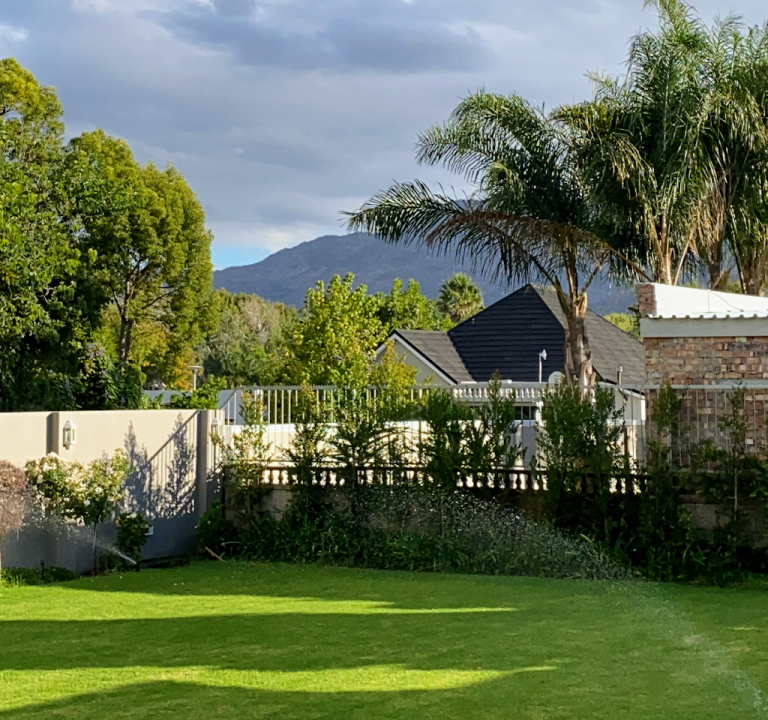
Areas to consider when booking include central Ceres, where access to shops, eateries and the town’s basic services is convenient. If you prefer a more secluded setting, look to guesthouses and farms on the outskirts of town or in surrounding rural lanes. For a flavour of authentic rural living, some properties sit on working farms with land surrounding the buildings, offering tranquil views and opportunities to observe farm life from a respectful distance. When selecting an area, consider proximity to routes for day trips (such as the surrounding valleys and mountains) and the distances to local attractions, while balancing the desire for privacy and quiet versus easy access to conveniences.
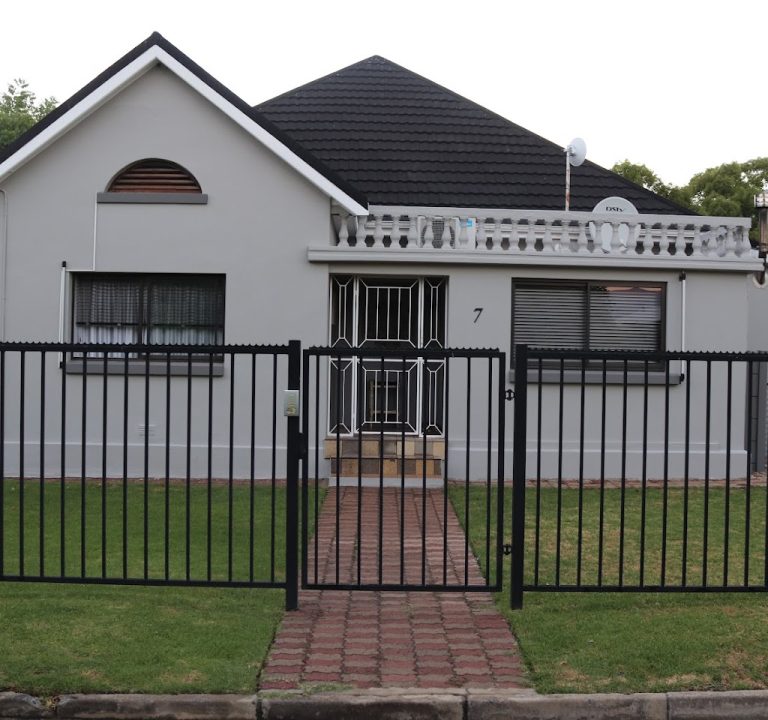
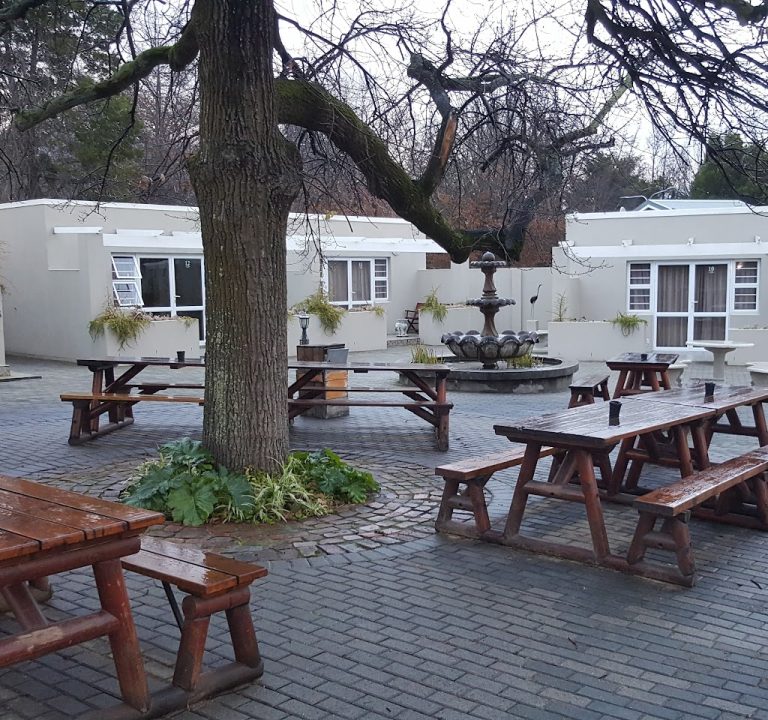
Typical accommodation in Ceres includes well-appointed B&Bs, guesthouses and small inns, often featuring comfortable bedrooms, en-suite facilities, and generous breakfast offerings. In rural stays, expect a home-away-from-home atmosphere with personal hosts who can share tips on local walks, markets and seasonal produce. Look for rooms that include or offer access to a private entrance, adequate heating or cooling for seasonal variations, reliable hot water, and clear, well-lit common areas for safe evening strolls back to your unit. A complimentary or readily available breakfast can be a practical highlight, helping you plan early starts for day trips into the surrounding countryside.
When booking, inspect the typical amenities and what they enable you to do during your stay. Essentials include off-street parking or secure area for vehicles, reliable Wi‑Fi where needed, and straightforward access to public transport or car hire services if you are exploring beyond Ceres. If you drive, assess the ease of getting in and out of the property, the availability of sheltered parking, and the routes to nearby attractions. If you would rather not rely on a car, check proximity to taxi services or local transport options and the possibility of hosted tours or organised transfers offered by the accommodation.
Best time to visit Ceres depends on your preferences. Spring and autumn bring mild weather ideal for outdoor walking and scenic drives through orchards and valleys, with colourful landscapes. Summer can be warm and pleasant, suitable for longer days spent exploring roads less travelled and stopping at rural viewpoints. Winters are cooler, and while activities slow, the scenery can be striking in the early morning light. Consider local events and harvest seasons, which can enrich a short break with seasonal food markets, farm stalls, and opportunities to sample fresh produce.
Planning practicalities can make a big difference to your stay. Reserve accommodation well in advance during peak tourist periods or harvest times, especially if you have a fixed travel window or specific dietary preferences for breakfast. When communicating with hosts, share your planned activities and any mobility considerations so they can tailor advice and dining suggestions. Respect for quiet hours, farm routines if staying on a working property, and environmental practices can enhance the experience for hosts and guests alike.
On the food and dining front, Ceres and its surrounding towns offer a spread of country-style eateries and casual cafés that celebrate seasonal ingredients. Many lodgings provide a hearty breakfast, and some properties feature gardens or patios where guests can enjoy fresh produce. If you are keen on dining out for lunch or dinner during your stay, ask hosts for recommendations on local eateries, farmers’ markets and bistros that showcase local produce and the region’s relaxed hospitality.
For activities, you can enjoy scenic drives through the valley, short hikes with marked routes, and visits to nearby farms or viewpoints. While specific names of attractions and restaurants are best confirmed locally at the time of booking or upon arrival, common themes include flower or fruit markets depending on the season, valley walks, and countryside experiences that pair well with a restful stay. Hosts can often arrange or recommend guided walks, short day trips to nearby towns, and scenic routes that highlight the area’s natural beauty without requiring strenuous travel planning.
Accommodation of note in the area includes options such as Rusthof B&B, a category bed and breakfast that combines a welcoming home environment with practical comforts. For detailed information, check the property's official website at Rusthof B&B and review guest feedback to gauge the experience you can expect. When visiting, use the host knowledge to build a flexible plan that allows for relaxed mornings, leisurely lunches, and contemplative evenings in the countryside.
- Consider areas for easy access to the town or the countryside depending on your preferred pace.
- Look for clear, legible information about breakfast options, parking, heating/cooling, and available accessibility features.
- Ask about transport options, including proximity to roads, taxi services, or organised tours.
- Plan a mix of outdoor activities, farm visits, and light expeditions to avoid fatigue and optimise daylight hours.
- Prepare a flexible itinerary that allows for unplanned discoveries, local markets, and short scenic drives.