Cape Town: Where to stay, what to do and how to plan your visit
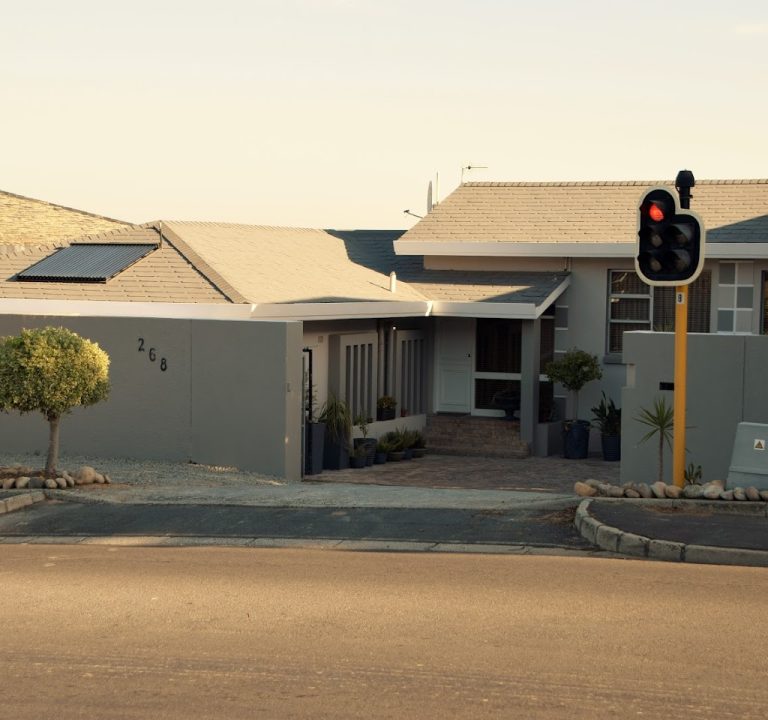
Few places in the world offer the contrast of a dynamic city and dramatic coastline as Cape Town does. From the iconic Table Mountain to sun‑drenched beaches and world‑class dining, a well‑planned stay can maximise the city’s beauty, culture and outdoor adventures. Consider Rubys Guesthouse as a central example of the kind of welcoming, traveller‑friendly accommodation you’ll find across the city: comfortable rooms, friendly service and easy access to major sights and transport links.
When selecting where to stay, think about what kind of base suits your plans. The central City Bowl and Green Point offer convenient access to restaurants, museums and night life, while the Atlantic Seaboard—Camps Bay to Sea Point—provides beachfront views and a more relaxed vibe. Constantia and the southern suburbs are ideal for wine lovers and quiet leafy streets, while Woodstock and the inner suburbs can be stylish bases for art and food wanderers. Proximity to a MyCiTi bus route or a reliable taxi service can significantly ease daily excursions, especially if you plan to explore the mountain or the peninsula with a flexible schedule.
Typical accommodations in Cape Town range from boutique guesthouses and mid‑range hotels to self‑catering apartments and well‑appointed lodges. Expect well‑furnished rooms, private or en‑suite bathrooms, daily housekeeping, and access to common spaces such as lounges, kitchens or patios. Many properties offer free Wi‑Fi, secure parking, and breakfast options, while some higher‑end venues may include onsite pools, spa facilities or guided activity desks. If you’re visiting with family, look for family rooms or suites, baby‑friendly amenities and easy stair access. For solo travellers, a friendly reception, good security and social spaces can make a big difference to your stay.
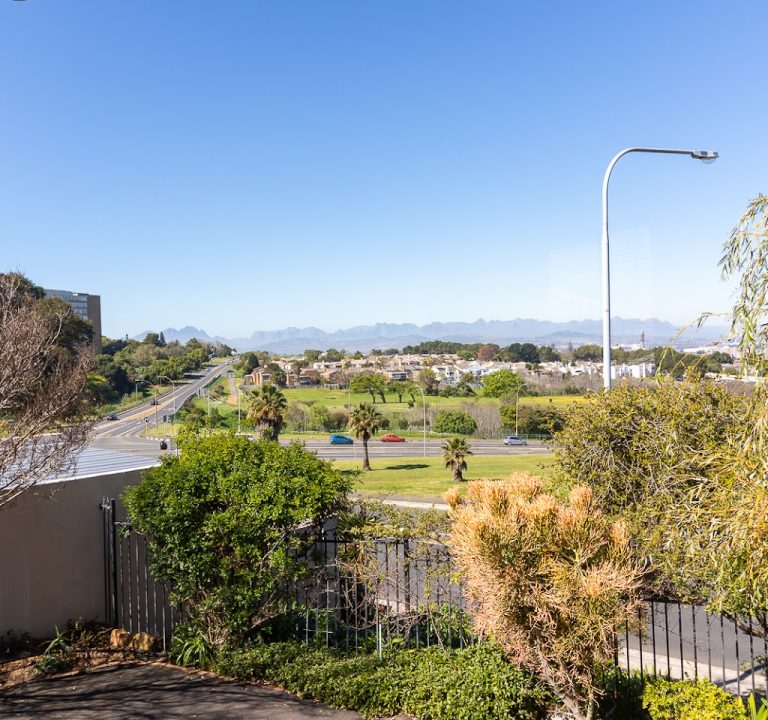
Practical planning helps you make the most of your time. Check the exact location on the map, note travel routes to the places you intend to visit, and consider whether you prefer a room with a sea or mountain view. Think about the level of self‑catering you want—some properties offer full kitchens, while others provide only breakfast or room service. If you plan to hike or drive the scenic coastal routes, ensure you have a vehicle or a reliable hire service arranged in advance, especially during peak travel periods.
Best time to visit Cape Town spans seasons. The summer months (roughly November to February) bring vibrant outdoor life, warmer seas and longer days, perfect for beaches, sailing and coastal walks. Autumn (March to May) tends to be milder with fewer crowds, while winter (June to August) can be cooler and windier, yet atmospheric for city experiences, restaurants and cultural venues. Spring (September and October) offers a shoulder season with blooming gardens and pleasant weather for outdoor exploration. Note that peak demand often coincides with school holidays and major events in the city, so booking ahead is wise if you’re travelling during those times.
Beyond the accommodation, there are many attractions and activities to plan for. A ride or hike up Table Mountain is a quintessential Cape Town experience, with optional cable‑car access subject to weather. The V&A Waterfront provides shops, galleries and dining with views over the harbour, and it can serve as a convenient starting point for peninsula tours. A visit to Kirstenbosch National Botanical Garden offers stunning garden trails against a mountain backdrop, while the Cape Point and Cape of Good Hope region provides dramatic coastal scenery and wildlife spotting along scenic routes. For history enthusiasts, tours to Robben Island offer poignant insights into the country’s past. For families and curious travellers, the city’s markets, galleries and street cafés deliver a taste of local life without having to venture far from your base.
Food lovers will find Cape Town’s dining scene cosmopolitan and diverse. From sunny cafés with harbour views to fine‑dining rooms celebrating local produce, you can expect a mix of Cape Malay curries, seafood favourites, modern fusion plates and seasonal menus. In addition to formal restaurants, street food markets and casual eateries showcase the city’s multicultural character. Many areas concentrate a high density of dining options within short walking distances, making it easy to plan a bite between sightseeing or after a day on the beach.
Getting around is straightforward but warrants some preparation. If you’re staying in the central area, walking or short rides to major sights is feasible, and rideshares or taxis remain a practical option for late evenings. If you’re venturing to the peninsula or outlying suburbs, a car provides the most flexibility, especially for day trips to Chapman's Peak Drive or the Constantia wine routes. Public transport, such as the MyCiTi buses, offers an affordable alternative, though schedules and routes vary, so a quick check before setting out is sensible.
Practical tips to help you plan:
- Book accommodation with easy access to your most desired sights, and confirm parking or nearby transport options.
- Check weather patterns for Table Mountain and the coast, as sea breezes and fog can affect plans.
- Pack comfortable walking shoes, sun protection and a light waterproof layer for changeable conditions.
- Prioritise safety: choose well‑reviewed areas and use reputable transport options after dark.
- Look for flexible cancellation policies in case travel plans change.
For further inspiration and visitor information, consult official tourism resources and reputable local guides. If you wish to explore lodging options that emphasise comfort, value and location, a range of guesthouses and hotels across Cape Town’s districts can provide a strong home base from which to discover the city’s diverse attractions and eateries. More information about Cape Town’s tourism offerings is available at the city’s official tourism portal and widely respected travel resources.