Accommodation and Experiences in Cape Town: Planning a Memorable Stay
Cape Town sits at the southern tip of Africa, where dramatic coastlines meet rugged mountains and a cosmopolitan city buzz. When planning a stay, consider staying in a neighbourhood that matches the pace you want, from easy access to the city’s landmarks to a quieter escape near beaches or wine country. Mid-range hotels, boutique B&Bs, cosy guest houses, and self-catering apartments are common across the city, each delivering a distinct flavour of Cape Town hospitality. Booking well in advance for peak seasons helps secure rooms in sought-after areas at sensible prices, while shoulder seasons can offer calmer streets and better value.
Areas to consider include:
- City Centre and the V&A Waterfront — ideal for first-time visitors who want doorstep access to attractions, dining, and transport links. Expect modern hotels and stylish apartment suites with easy access to MyCiTi buses and hop-on, hop-off tours.
- Green Point and the Foreshore — a contemporary hub with a mix of hotels and serviced apartments, close to the coast, parks, and the stadiums that host major events.
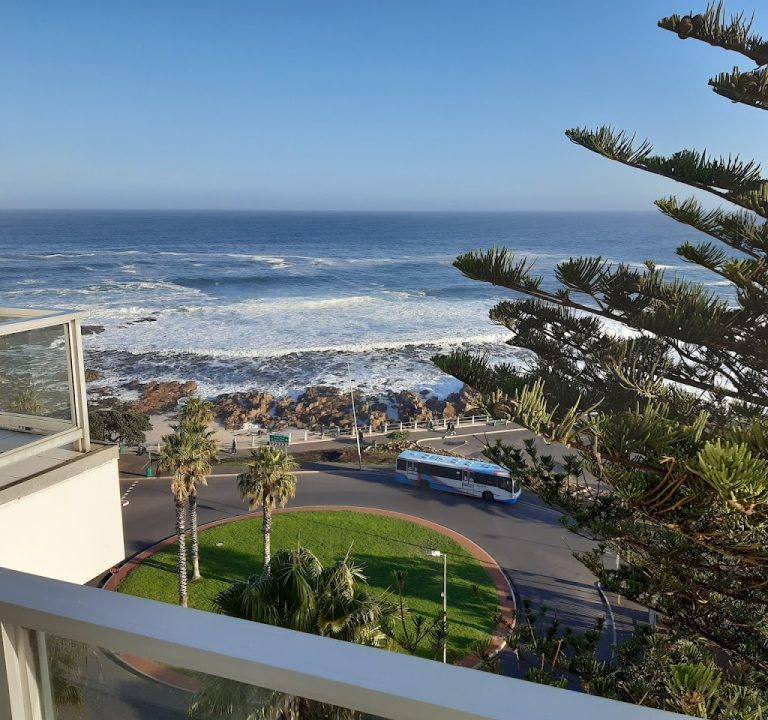
- Clifton, Camps Bay, and Bloubergstrand — renowned for beachside stays, panoramic ocean views, and relaxed dining bemused by sea breezes. These areas suit travellers seeking a scenic base with a slower pace.
- Constantia and the Constantia Valley — perfect for wine lovers and those seeking leafy residential streets, wine estate restaurants, and tranquil lodging a short drive from the city centre.
- Rondebosch and southern suburbs — family-friendly options with easy access to universities, parks, and quieter streets away from the buzz.
When booking, look for key amenities that suit your plans. Essential features include reliable Wi‑Fi, secure on-site parking or easy parking nearby, air conditioning or good heating, and a practical workspace if you need to catch up on emails. Breakfast options vary from self-cserve to continental or full cooked offerings; in many B&Bs and guest houses, breakfast is a sociable, locally inspired start to the day. For families, check for spacious rooms or suites, child-friendly policies, and nearby parks or beaches. If you’re travelling with a vehicle, confirm parking arrangements and charging facilities if relevant. Pet-friendly options are available in some lodges and guest houses, but always verify restrictions before booking.
Practical planning tips for a smooth stay:
- Weather and timing: Cape Town's seasons differ from inland South Africa. The summer months (November to March) are warm and dry, with afternoon breezes from the sea; winters are mild and wetter, with cooler evenings. Shoulder seasons offer pleasant conditions for sightseeing with fewer crowds.
- Transport: The MyCiTi bus network is a convenient way to explore the city, while Uber and other ride-hailing services are widely used. If you plan day trips to the Cape Peninsula, wine routes, or the Cape Winelands, a rental car provides flexibility.
- Safety and orientation: Like any major city, stay aware of your surroundings, especially after dark in busy areas. Use well-lit routes, keep valuables secure, and follow local advice on safe areas to visit at night.
- Planning attractions: Iconic draws include table-top views, coastal walks, and botanical gardens. For cultural insights, consider guided tours that offer context to historic neighbourhoods and local histories. Booking some experiences in advance helps secure availability, particularly for popular time slots.
- Eating out: Cape Town’s dining scene ranges from casual beachside cafés to elegant tasting menus. Try a mix of seafood eateries, garden-to-table spots, and regional South African cuisine. Many venues publish menus online and welcome advance reservations.
- Sustainability and gatekeeping: Look for properties that support water-saving practices, recycling, and energy efficiency. A stay with locally sourced breakfasts and ethically produced amenities can enhance your experience while supporting the community.
Key attractions to frame your itinerary in general terms include the cable-car ascent or scenic trails up Table Mountain, a wander through the historic Bo-Kaap precinct, a visit to the vibrant V&A Waterfront for shopping and ambient dining, and a coastal drive along the Atlantic Seaboard to watch the sun set over the ocean. Outside the city, botanical splendours at Kirstenbosch National Botanical Garden and nature reserves along the Peninsula offer refreshing day trips. For a cultural day, consider museums and galleries that illuminate Cape Town’s diverse heritage, coupled with markets and street food stalls that showcase contemporary South African flavours.
Wine lovers can base themselves near Constantia or the nearby Stellenbosch and Franschhoek regions for day trips with wineries and scenic vineyard lunches. For those seeking nautical views, the Atlantic coast offers beaches, surfing spots, and promenades where you can stroll with the sound of waves in the background. Practical planning should include flexible daylight hours to maximise outdoor time, and a light, comfortable wardrobe for variable coastal weather. Most importantly, allow time to simply wander: Cape Town rewards curiosity with unexpected views, friendly hospitality, and a sense of place that lingers beyond the itinerary.
For more inspiration, you can explore official city and tourism resources, which offer detailed neighbourhood guides, current events, and suggested itineraries. Example plans often pair a city-base with a day trip to the surrounding coast or wine country, depending on your interests.:
Visit Cape Town’s official tourism pages for updated information and ideas: Capetown.travel