Accommodating Pilgrim’s Rest: Where to stay and what to do in Mpumalanga
Pilgrim’s Rest, a living relic of the gold rush era in Mpumalanga, offers a charming backdrop for a relaxed break with heritage houses, cosy lodges and country inns. When planning a stay, consider the layout of the town and the surrounding countryside to make the most of your time. The town centre is compact and walkable, with most accommodation clustered near the main streets and the museum precinct. If you prefer a more tranquil base, look for lodges or guesthouses on the edge of town or higher up on the surrounding hills, where views over the escarpment and evergreen farmlands are particularly rewarding at sunrise.
Accommodation in Pilgrim’s Rest ranges from historic hotel-style properties to intimate guesthouses and self-catering cottages. Many offer traditional hospitality with welcoming common areas, shaded verandas and gardens. When you book, consider what will make your stay comfortable: a private ensuite, reliable heating or cooling, and convenient access to the town’s attractions without long transfers. If you’re travelling with family or a small group, a self-contained cottage with a kitchen can be convenient and economical, while couples might prefer a boutique room with a cosy fireplace or a balcony for sunset views.
Facilities you’ll commonly encounter include free or designed-for-purpose parking, secure access, and daily housekeeping options. Some properties may provide on-site dining rooms or continental breakfast options, freeing you from the need to search for morning meals. If you plan to explore, ask about early breakfast arrangements or packed lunches, especially if you are an early riser heading to nearby trails or heritage sites. For travellers with mobility considerations, verify the accessibility of entrances and common areas, including dining spaces and bathrooms, to ensure a comfortable stay.
Transport to and around Pilgrim’s Rest is straightforward but worth planning in advance. The town is accessible by road from larger centres, and car hire provides the most flexibility for exploring the surrounding goldfields, farms and scenic viewpoints. If you’re relying on public transport, check local timetables and arrange transfers to key sites, as services may be limited. For those who enjoy a gentle stroll, the town’s compact nature makes most sights reachable on foot, with a longer excursion required for more distant viewpoints or reserves.
The best time to visit Pilgrim’s Rest hinges on what you seek: spring and autumn bring mild days and colourful landscapes, while winter evenings reveal the cosy ambience of historic lodgings. Summers are generally warm and may bring brief thunderstorms, so packing a light raincoat is sensible. If your visit is tied to outdoor activities such as hiking, fishing or exploring the surrounding valleys, check seasonal conditions and daylight hours to maximise your time on the trails.
Aside from where you stay, consider the local rhythm of Pilgrim’s Rest when planning your days. The town is known for its heritage character, with a wealth of stories from the gold rush era. Expect to encounter museums, interpretive galleries, and behind-the-scenes insights into the area’s history as you wander the streets. Practical tips: wear comfortable shoes for uneven historic pavements, bring a refillable water bottle, and plan a relaxed pace to truly absorb the atmosphere rather than rushing between sights.
When it comes to dining, Pilgrim’s Rest offers a small cluster of eateries and casual cafés. In keeping with the town’s heritage vibe, look for venues that celebrate simple, hearty fare and local produce. It’s common for restaurants to offer hearty breakfasts, light lunches and traditional dinners, often featuring rustic décor and welcoming service. To optimise your evenings, you might combine a restaurant visit with a stroll through the town to enjoy the starlit sky and the calm after dusk.
Nearby attractions typically fall into broad categories rather than single, fixed itineraries. Heritage walks, guided tours of restored buildings, and visits to local markets (where available) provide a flavour of life in a former mining town. The surrounding Mpumalanga countryside invites nature lovers to enjoy scenic viewpoints, short trails, and birdwatching. If you are seeking more formal sightseeing, you can usually arrange a day trip to related historic sites or natural reserves nearby, either through your accommodation or through local tour operators. Always keep a flexible plan to allow time for impromptu discoveries and quiet moments in the heart of this historic landscape.
To help you plan a stay, here is a compact checklist:
- Choose accommodation by proximity to the town centre or a preferred scenic viewpoint.
- Check bed configuration, ensuite facilities, heating/cooling, and on-site dining options.
- Confirm parking availability and ease of access if you have mobility considerations.
- Assess access to reliable wi‑fi for planning day trips or sharing memories with friends.
- Review cancellation policies and room-inclusion details in light of potential itinerary changes.
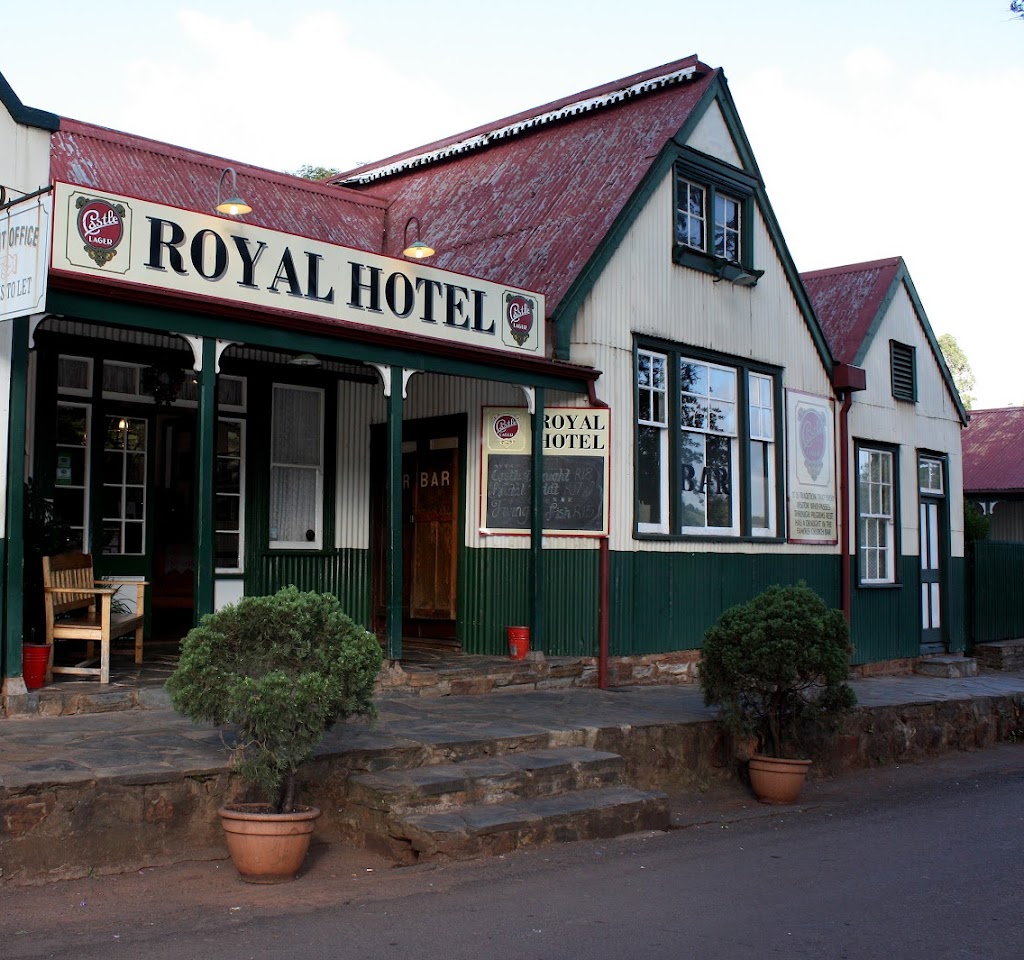
For inspiration or to explore official options, you can visit the Royal Hotel’s page at Royal Hotel Pilgrims Rest. This provides a sense of the kind of indoor lodging options available in the area and how a guesthouse or hotel in this heritage town might be structured to welcome visitors looking for comfort with a touch of historical ambience.
Whether you are tracing the footsteps of gold rush settlers, enjoying a quiet morning in a garden courtyard, or using Pilgrim’s Rest as a peaceful base for broader Mpumalanga explorations, the town offers a relaxed pace and friendly hospitality. With mindful planning—considering location, practical amenities, and a flexible itinerary—you can enjoy a memorable stay that honours the town’s distinctive character while making the most of modern comforts.