Discover East London: where to stay and things to do in the Eastern Cape
East London, on the sunny shores of South Africa’s Eastern Cape, offers a practical combination of relaxed seaside living and easy access to city amenities. When planning a stay, many travellers look for a comfortable base near the coast, good transport links, and options that suit both short breaks and longer visits. Guest houses, B&Bs, and small hotels form a convenient network that helps you tailor your itinerary without sacrificing warmth or personal service.
Neighbourhoods and areas to consider begin with the coastal strip, where a stay near the beachfront or promenade puts you within easy reach of the most scenic stretches of sand, a relaxed stroll after dinner, and morning jogs with sea views. The area around the harbour and the central business district offers closer proximity to shops, markets, and cultural venues, while suburbs further from the shore can provide quiet streets, larger rooms, and a more residential feel. If you’re planning weekend breaks or a family trip, look for family-friendly amenities and parking options, as coastal traffic can be busier on summer weekends.
When selecting accommodation, consider a few practical factors. Room configurations and hygiene standards should be clear on booking platforms or the establishment’s site, with handy details such as en-suite options, secure parking, and reliable Wi‑Fi. A guest house or small hotel can offer a personalised touch—hosts who share tips on local beaches, safe drives, and culinarily notable eateries can be invaluable. For longer stays, check whether facilities such as self-catering kitchens, laundry services, or outdoor spaces suit your plans.
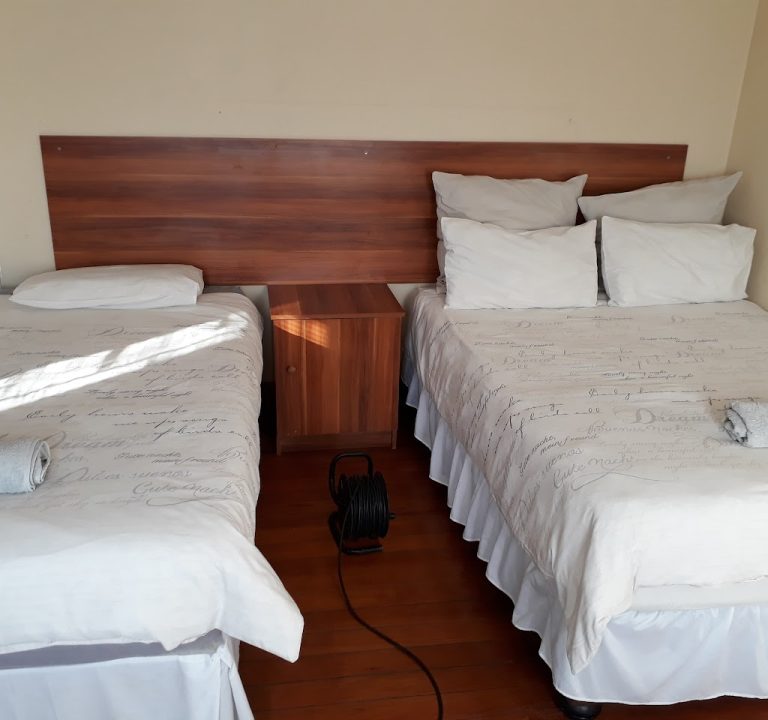
Typical amenities to look for include secure parking, daily housekeeping, and on-site dining or breakfast options. A tastefully appointed guest room with a comfortable bed, quality linens, and a work or seating area can make a big difference to your stay, especially if you are combining business with leisure. If you’re travelling with family or a group, request larger suites or interconnecting rooms. Accessibility considerations—ground-floor rooms, gentle entryways, and bright lighting—are worth confirming if anyone in your party has mobility needs.
Transport plays a central role in East London. The city has a modest urban transport network and several car rental options, which are often the most convenient way to explore the coast and surrounding nature reserves at your own pace. If you’re not driving, many guest houses provide guidance on taxi services, rideshare apps, and scenic routes. Proximity to the airport or the main railway station can influence your daily plans, so it’s worth noting how far your chosen stay is from these hubs and whether there are shuttle services or reliable public transport nearby.
Best time to visit East London tends to follow the maritime climate pattern: warm, sunny summers and mild, comfortable winters. Summer (roughly November to February) brings great beach days and water activities, while spring and autumn offer pleasant temperatures for strolling the promenade, exploring parks, or enjoying street cafés. If you’re seeking calmer seas and shorter queues at popular beaches, shoulder seasons can be ideal. Rainfall is generally light, but it’s wise to pack a light layer for cooler evenings and occasional sea breezes.
Things to do and see are well-suited to short breaks or extended stays. Coastal walks and beaches top many itineraries, followed by gentle harbour views and seaside eateries. Nature lovers may enjoy nearby reserves or parks for birdwatching, walking trails, and scenic viewpoints. Water-based activities—such as swimming, surfing, or surfing-related lessons—are common, with local operators providing equipment hire and guidance. Cultural highlights often include small museums and heritage sites that tell the story of the region’s maritime and urban history, paired with art and craft spaces where you can appreciate local creativity.
For dining and nightlife, plan for a mix of casual cafés, seafood-focused eateries, and established restaurants offering regional flavours. In East London, guests often enjoy trying light breakfasts after sunrise beach walks, followed by lunch at a beachfront venue or a relaxed dinner in the city centre. When arranging dining, it’s helpful to check opening hours and make reservations during peak seasons, as popular spots can fill quickly on weekends and holidays.
Practical tips to help you plan your stay:
- Book accommodation with clear cancellation policies in case plans change, especially during peak travel periods.
- Confirm parking arrangements and check if your host can recommend trusted transit options for your daily excursions.
- Ask hosts for local tips on beaches with lifeguards, family-friendly spots, and shade or picnic areas.
- Pack sun protection, a light shell for sea breezes, and comfortable walking shoes for coastal promenades.
- Check the latest local advisories or seasonal notices for swimming zones and safe harbour routes.
As you search for a place to stay, consider a boutique guest house such as Royal Guest House, which positions itself within the East London scene as a gracious base for visitors. Its website offers insight into the guest house approach and practical information for planning your stay. For further inspiration, browse destination pages and travel blogs that describe coastal walks, nearby parks, and the rhythm of daily life in East London.