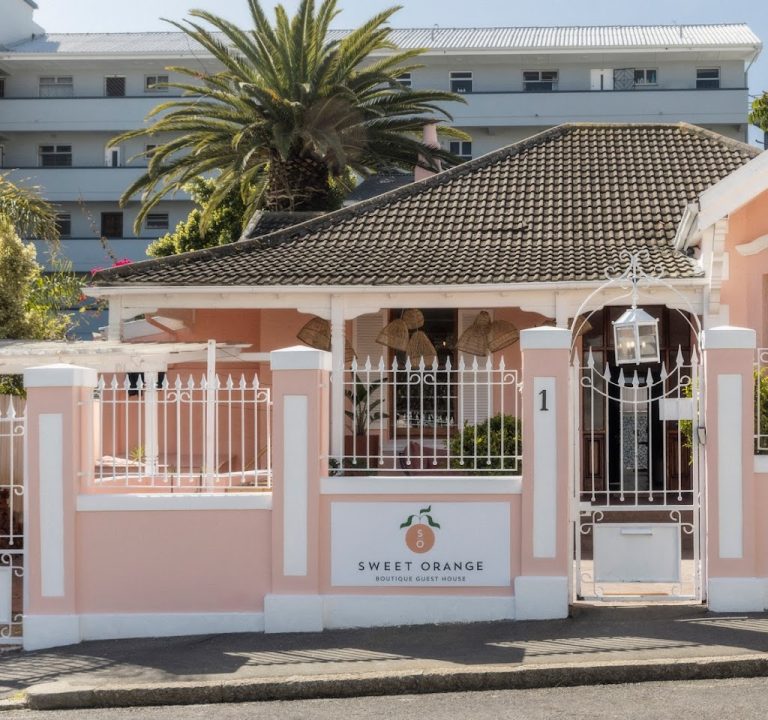
Cape Town: Accommodation and Getting the Most from Your Stay
Cape Town, nestled between the sea and Table Mountain, offers a diverse tapestry of neighbourhoods, styles of lodging and experiences to suit every traveller. Whether you seek boutique intimacy, a family-friendly resort, or a comfortably central base for exploring the peninsula, the city’s mix of coastal splendour and mountain drama provides a memorable backdrop for your stay. When planning, it helps to think in terms of areas, amenities, and how you’ll get around to make the most of your time.
Popular areas to consider include the V&A Waterfront and the central city (often described as the CBD). These bases are coveted for their easy access to dining, museums, theatres and transport links. A little farther along the coastline, Camps Bay and Clifton offer a more glamorous, beach-forward atmosphere with sweeping ocean views and stylish eateries. For a calmer, more local feel with hillside vistas, the neighbourhoods near the Table Mountain National Park, such as Tamboerskloof and Oranjezicht, provide easy access to top vantage points, markets and leafy streets. If you want a family-friendly vibe with easy trips to the winelands and the southern Peninsula, consider leafy Constantia or Newlands. Each area comes with its own character, so choose according to what you want to be close to—food markets, beaches, or cultural attractions—and how you prefer to travel between sights.
When booking accommodation, look for essential comforts that suit your travel style. Common options range from stylish boutique guesthouses and self-catering apartments to full-service hotels and resort-style lodges. Key considerations include:
- Proximity to the sights you plan to visit and to reliable transport routes, such as MyCiTi buses or taxi services.
- Guest reviews that mention staff friendliness, cleanliness, and quiet rooms, especially if you are travelling with children or as a couple seeking a peaceful base after busy days.
- Amenities that matter for you, such as on-site dining, a pool, laundry facilities, kitchenettes, or secure parking.
- Views and ambience, which can elevate a stay in Cape Town—from mountain backdrops to sea-facing terraces.
- Accessibility for those with mobility needs, including lift access and ground-floor rooms where required.
In terms of typical amenities, many mid-range and higher-end options in Cape Town offer Wi‑Fi, discreet housekeeping, and 24-hour reception. Breakfast is a common inclusion, with options ranging from continental spreads to full cooked meals. For families, accommodation with adjoining rooms or self-catering kitchens can be particularly practical. For travellers seeking a more immersive experience, some properties arrange guided outings or partner with local operators for tours, which can simplify logistics while showcasing the city’s highlights responsibly.
Transport considerations are central to planning. The city’s geography makes a car useful for exploring the Cape Peninsula, wine routes, and coastal towns, but it is not essential for visitors focusing on the central city and the Waterfront. In the city bowl and Atlantic Seaboard, rideshare services, hire cars, and reputable tour operators provide convenient options. If you prefer not to drive, stay near well-served tram or bus routes, and factor extra time for peak traffic when organising day trips to the Cape Peninsula’s viewpoints and nature reserves.
The best time to visit Cape Town depends on your priorities. Summer (December to February) brings long days, warm beaches and a lively outdoor culture, but it is also peak season, so expect busier streets and higher rates. Autumn (March to May) and spring (September to November) offer milder weather, blooming botanic gardens, and generally calmer corridors of the city. Winter (June to August) is cooler and windier, yet it can be a great time for winelands visits and indoor experiences, often accompanied by lower prices and fewer crowds. If you plan scenic drives along the Atlantic coast or road trips to the Cape Winelands and the Garden Route, a well-timed stay can help you dodge peak crowds while still enjoying comfortable weather for outdoors days.
When exploring attractions and dining possibilities, a mix of iconic viewpoints and neighbourhoods is ideal. In broad terms, you can anticipate a blend of natural beauty, world-class cuisine, and culturally rich venues. In terms of meals, Cape Town’s dining scene ranges from casual seafood shacks with harbour views to refined restaurants celebrating local ingredients and seasonal produce. Rather than relying on fixed names, look for areas with ample choice—where menus reflect Cape flavours and maritime influences—and be open to recommendations from hosts or fellow travellers. For a taste of local life, markets and street-food hubs often offer a snapshot of regional produce, prepared with contemporary flair or traditional methods.
One example of a well-connected base for a stay in Cape Town is the Royal Atlantic, a hotel option that combines location with comfortable rooms and guest-friendly amenities. For more information, you can visit the property’s listing at theholidayclub.co.za.
Planning practicalities, such as timing your park visits and reserving restaurant spaces during busy periods, can make a substantial difference. A simple checklist before you travel could include: confirming transport options for your planned routes; identifying a couple of “anchor” sights to base your days around; and leaving buffer time for weather changes or unexpected discoveries. Cape Town rewards curious travellers who balance a structured plan with the flexibility to follow a sunset over the Atlantic or a spontaneous cafe crawl along a hillside street. With thoughtful selection of accommodation and a well-paced itinerary, you can enjoy a memorable blend of city, sea and mountain during your stay in the Western Cape.