Exploring Franschhoek: where to stay and what to do
Franschhoek, nestled in the Western Cape’s valley of vineyards, offers a friendly mix of historic charm, modern comforts and scenic beauty. When planning a stay, consider the different neighbourhoods and settings that suit your travel style, from intimate B&Bs tucked into quiet lanes to larger guesthouses with sweeping views of the surrounding mountains. A well-chosen base can make it easy to explore wine farms, artisan eateries and the village’s boutique shops without lengthy daily commutes.
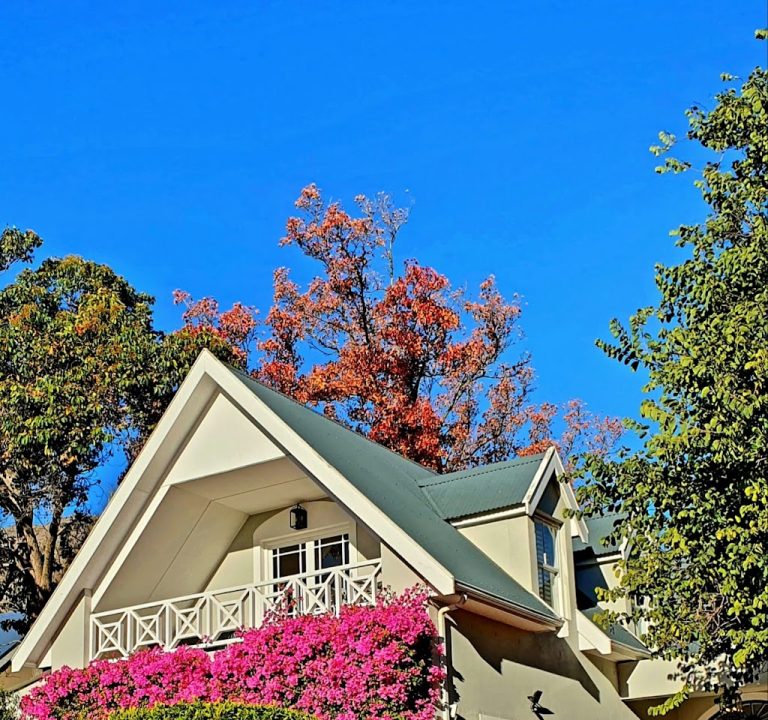
Accommodation options in Franschhoek range from traditional guesthouses and bed & breakfasts to self-catering cottages and boutique hotels. Many properties emphasise warm hospitality, personalised service and a sense of place—often with a colonial or Cape Dutch architectural flavour. If you value a cosy, home-from-home atmosphere, a bed & breakfast or small guesthouse is usually ideal, offering breakfast on site and knowledgeable hosts who can point you to off-the-beaten-path activities. For those seeking a more contemporary vibe or private space, consider boutique hotels or self-contained suites that grant greater independence while remaining within easy reach of the village centre.
When booking, clarity on location is key. The village core is compact and walkable, with most restaurants, galleries and wine-tasting venues within a short stroll. If you prefer tranquillity and elevated views, look for hillside or vineyard-adjacent properties, which may require a quick drive or local taxi ride for evening meals. Check for parking arrangements if you plan to hire a car—many guesthouses provide on-site parking, while some smaller properties may offer limited spaces.
Typical amenities to expect include comfortable en-suite rooms, free Wi‑Fi, and heating or cooling suited to the season. Many Franschhoek accommodations pair stylish interiors with practical touches such as breakfast menus sourced from local producers, tea and coffee facilities, and curated information on local walks, wine farms, and restaurant recommendations. If you’re planning a longer stay, ask about self-catering facilities, laundry access, or shuttle arrangements to nearby attractions. For guests seeking a personal touch, trigger the host’s local knowledge—hosts often guide guests to seasonal happenings, hidden courtyards, and scenic routes behind the main streets.
Transport within and around Franschhoek is straightforward but benefits from a little planning. The village is walkable in parts, particularly near the centre, with many venues clustered along the main street. If you’re aiming to visit multiple wine farms or ridge-top viewpoints, a car provides flexibility, and some properties can arrange private drives or trusted local operators for scenic day trips. For those who prefer not to drive, look for guesthouses that can help arrange group tastings or guided experiences, and consider batch planning your winery visits to avoid peak times.
The best time to visit Franschhoek largely hinges on your wine and dining priorities. Spring and autumn offer mild weather ideal for al fresco dining and scenic winery tours, with fewer crowds than peak summer. Summer brings longer days and vibrant harvest energy, but can be busier, while winter offers a quieter atmosphere and cosy evenings by a fire in many guesthouses or lodges. If you enjoy special culinary events, seasonal markets and wine festivals sometimes align with holidays and long weekends, although specific dates vary year to year. Booking ahead during peak periods ensures you secure your preferred type of accommodation and the most convenient dining slots.
When planning activities, start with a flexible loose itinerary. A typical stay might blend a couple of winery visits (many farms offer informal tastings or estate tours), a walk through the village to explore galleries and artisan shops, and a relaxed meal at a restaurant that highlights local ingredients. Outdoor options include scenic drives, gentle hillside walks, or a stroll along near-river paths depending on weather. For visitors who enjoy history and culture, you’ll find the area’s heritage reflected in the architecture and the enduring influence of Cape Dutch design—great for leisurely weekend wanderings.
Practical tips to help you optimise your stay:
- Book accommodation with convenient access to the village core if you plan to dine out often.
- Check whether breakfast is included and whether it emphasises fresh, local produce.
- Ask hosts about pairings and tastings at nearby farms, plus any seasonal special events.
- Consider a mix of lodging styles—one night in a hillside retreat for views, another in a central B&B for easy dining access.
- Pack comfortable walking shoes and a light layer for cooler evenings, even in warmer months.
For a concrete example of the style and welcome you can expect, Roundhouse Guesthouse offers a bed & breakfast approach with a focus on warm hospitality and a peaceful setting. You can learn more about this property on its official website at the provided link, which offers details on room types, breakfast offerings, and location context within Franschhoek. Visiting Franschhoek is best enjoyed with an open itinerary that lets you soak up the scenery, savour the food and wine, and experience the relaxed pace that makes the town a favourite destination in the Western Cape.
Whether you’re drawn by the vineyards, the historic streets, or the culinary scene, Franschhoek rewards thoughtful planning and a flexible approach to where you stay and what you do. A well-chosen base, paired with a balanced mix of winery visits, gallery strolls, and relaxed dining, makes for a memorable South African getaway.